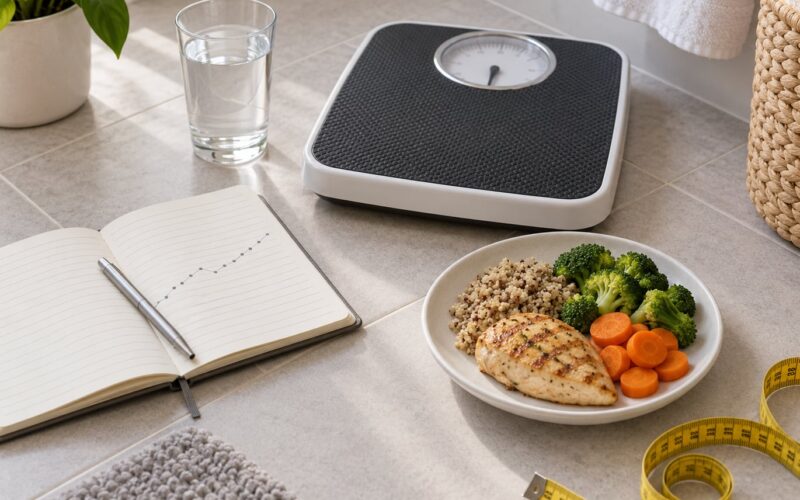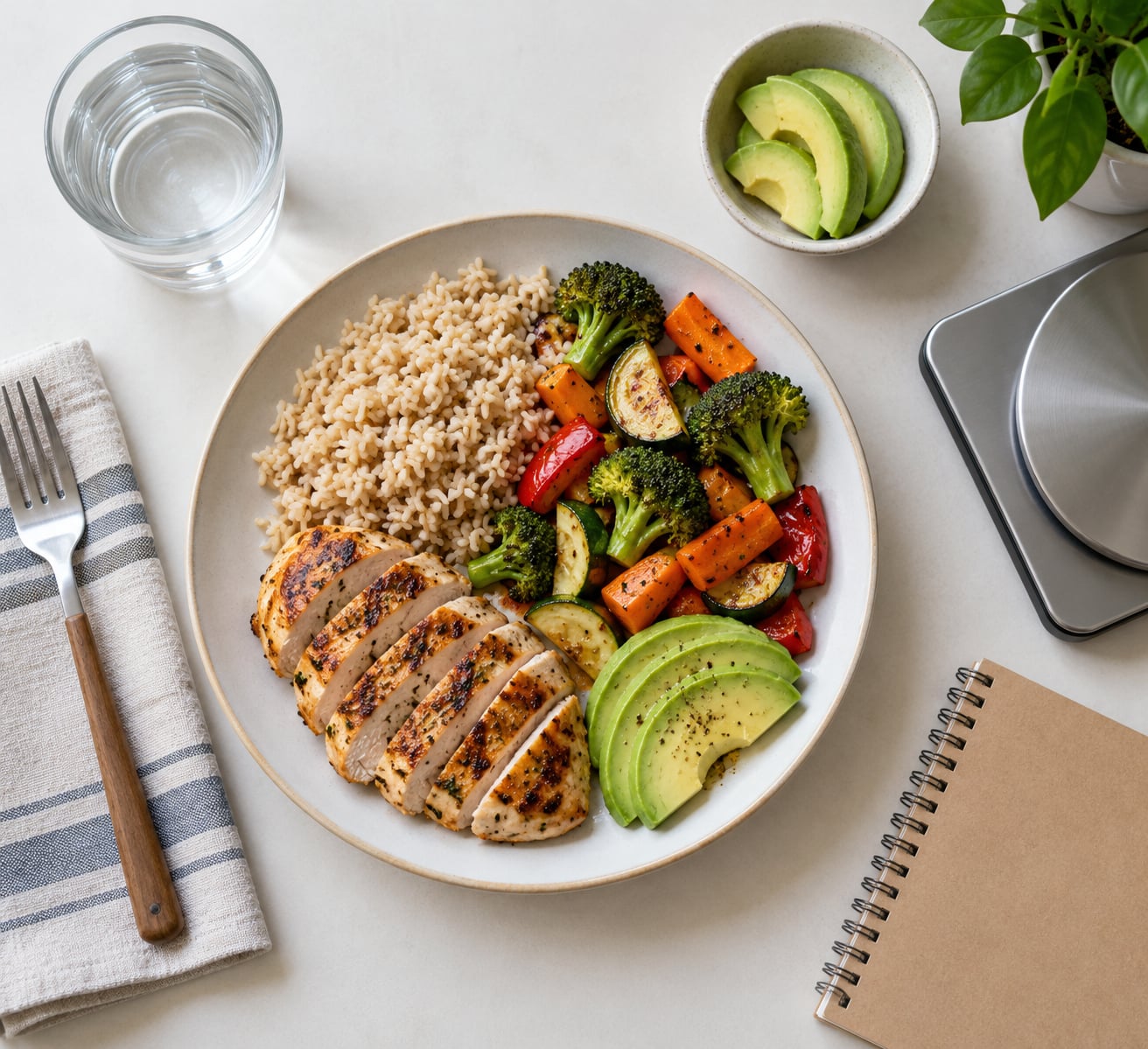
Reverse dieting explained for beginners comes down to one idea: after a period of eating fewer calories, add a small number of calories back each week until you reach a maintenance level your body can hold. It is a pace rather than a named diet, there is no special reverse dieting food list, and this guide covers the whole process for 2026.
Most people look into it after a cut that ran long or hungrier than planned. The scale sits still or edges up, training feels heavy, and the obvious next move, eating more, sounds like it undoes the work. The slow version exists to make that transition less costly.
Table of Contents
- What Is Reverse Dieting?
- Why Do People Use Reverse Dieting?
- How Does Reverse Dieting Work?
- Reverse Dieting Explained for Beginners: A Simple Starting Plan
- How Many Calories Should You Start With?
- What Should You Eat as You Increase Your Calories?
- How Do You Track Progress Without Obsessing Over the Scale?
- How Long Does Reverse Dieting Take?
- Reverse Dieting vs. Eating More Calories
- Who Should Ask a Professional Before Trying It?
- Common Reverse Dieting Mistakes and Better Alternatives
- Frequently Asked Questions
- Do you have to count calories when reverse dieting?
- Why am I gaining weight after I start increasing calories?
- How can I start reverse dieting without knowing my calorie target?
- Can I use reverse dieting to stop feeling hungry after weight loss?
- When should I pause reverse dieting and seek medical advice?
- Conclusion
What Is Reverse Dieting?
Reverse dieting is the practice of gradually raising your daily calorie intake after a period of calorie restriction, stepping back toward maintenance slowly enough that weight regain stays small and your appetite settles instead of swinging.
Two details make it different from simply eating more. The increase is planned and spread over weeks rather than crammed into one weekend, and it is tracked, so you can hold, slow down or speed up based on what your weight and hunger actually do.
There is no universal starting number and no required timetable. Most beginner protocols add roughly 50 to 100 calories per week, or about 5 to 10 percent of current intake, then hold that level for one to three weeks before adding the next step.
Why Do People Use Reverse Dieting?
The most common reason is a rough experience with returning straight to old eating habits. Regain after a cut is usually gradual drift back to a familiar intake rather than one dramatic episode, and stepping up in stages spreads that drift over months instead of weeks.
Forum discussions give it a human shape. On r/PetiteFitness, one user described raising intake from 1200 to roughly 1700 calories, gaining under five pounds overall, and finding later cuts felt easier. On r/CICO, people describe ghrelin climbing week by week during a deficit and treat the slow reverse as the way to bring hunger back down.
Others use it to prepare for a second cut. Threads on r/MounjaroMaintenance show it being used to come off GLP-1 medication and hold the loss, since appetite returns quickly once the drug stops.
Reported experience and established evidence are not the same thing here, and worth separating. Supporters call the slow approach physiologically protective, while pushback on r/nutrition and r/gymsnark argues that true metabolic damage is rare and the method is largely psychological comfort. The defensible position sits between them: eating up gradually after restriction is sensible and low risk, while promises of repairing a damaged metabolism go further than the evidence supports.
How Does Reverse Dieting Work?
The method is a four-part cycle: add, hold, assess, repeat. You add a small increment, you hold it long enough to read the response, you look at the trend rather than a single day, and then you decide.
Before the cycle begins you need two numbers, and neither comes with a shortcut. The first is what you are eating right now, measured rather than remembered. The second is roughly where your maintenance sits, which depends on your size, activity and dieting history rather than on a formula anyone can apply to you from the outside.
If your cut was short and mild, you may need only two or three steps. If you spent months at very low intake, expect a longer and more gradual climb.
Reverse Dieting Explained for Beginners: A Simple Starting Plan
This is a decision framework rather than a prescription. It tells you what to think about each week, not how many calories you owe your body, and individual guidance from a qualified professional beats any fixed target.
| Week | Focus | Practical action | What to watch |
|---|---|---|---|
| 1 | Baseline | Log seven days of real intake, including oil, drinks and sauces | How far your estimate was off |
| 2 | Set protein | Hold protein steady, roughly 1 gram per pound of a realistic target weight | Hunger on the current intake |
| 3 | First increase | Add one modest serving of carbohydrate or fat | Digestion and food volume |
| 4 | Hold and assess | Change nothing, read the seven-day average | Average, waist, training quality |
| 5 | Second increase | Add another small step, or repeat week 3 | Whether energy lifted or stayed flat |
| 6 | Steady pattern | Hold and reassess the maintenance estimate | Sleep, cycle, mood |
The single most useful habit in that table is the hold. Beginners who rush through increments never find out which change did what, and the whole plan turns into guesswork.
How Many Calories Should You Start With?
Starting at the wrong place is the most common beginner error, so it is worth using a method rather than a number from an article. Reverse dieting explained as a fixed starting target is exactly the problem, because the right figure depends on your history, not a chart.
| Method | Useful inputs | Limitations | Where it fits best |
|---|---|---|---|
| Watch the trend | Two to four weeks of consistent intake, weighed the same way daily | Slow, and only valid once intake stops changing | Patient people who like real data |
| Work back from your cut | Your lowest intake and how long you held it | Long cuts compress the estimate and ignore lost lean mass | Short, mild cuts |
| Step upward past it | Current intake plus weekly increments | You pass through maintenance without landing on it | Beginners wanting a starting point |
| Bodyweight-based estimate | Weight, age, sex, activity level | Wide error bars, and formulas disagree | A rough first guess only |
| Registered dietitian assessment | Dieting history, current eating, labs where relevant | Costs money and needs an appointment | Medical conditions or long dieting histories |
Treat whatever number you land on as a direction rather than a finish line. Maintenance moves as your weight, activity and age change, which is why a worked example from years ago is a teaching tool and not a template.
What Should You Eat as You Increase Your Calories?

Add calories through food groups, not through sugar alone. The extra energy should come from a mix of fats and carbohydrates, while protein stays where it was because it protects lean mass and keeps hunger manageable.
For fats, the easy wins are a tablespoon of olive oil on vegetables, a handful of nuts, avocado, or cheese added to something you already eat. For carbohydrates, extra rice or pasta at dinner, oats at breakfast, a slice of bread with meals, or a piece of fruit. For portions, growing the plate is simpler than adding new foods: more rice, more vegetables, same protein.
Some combinations that work at different energy needs. A lower-energy day might be chicken, a cup of rice and a large salad with a spoon of oil. A middle range might be salmon, a larger portion of rice, roasted vegetables and a slice of bread. A higher day might add Greek yogurt as a snack and stir-fry with a generous amount of oil, which also helps when food volume has been low.
Fibre and fluid usually need attention at the same time, because a sudden jump in volume causes digestive trouble in people coming off low-carb cuts. USDA MyPlate is a reasonable starting shape for balanced meals, and a registered dietitian can adapt a plan to your preferences and medical needs.
How Do You Track Progress Without Obsessing Over the Scale?
Weight changes daily because of water, salt, carbohydrate intake and gut contents. Read it as a trend, never as a verdict, and check in at a consistent time once a week.
| Measure | How often | What a change may mean |
|---|---|---|
| Seven-day weight average | Weekly | The real trend, blunted by daily water noise |
| Waist circumference | Weekly or fortnightly | Useful when the scale is flat but clothes tell a story |
| Hunger between meals | Daily, in rough terms | Rising hunger often means the step was too big or too fast |
| Energy and training quality | Weekly | Recovery and performance often move before the scale does |
| Strength in your main lifts | Weekly | Falling strength can mean intake is too low |
| Sleep and mood | Weekly | Poor sleep is an early signal, not a minor detail |
| Menstrual cycle, where relevant | Monthly | Cycle changes warrant professional advice |
Expect the scale to rise one to two pounds in the first fortnight after a carbohydrate increase, and treat that as normal rather than failure.
How Long Does Reverse Dieting Take?
There is no set length. A short, mild cut often needs three or four steps, so roughly four to six weeks. A long, aggressive cut or a period of very low intake can take three months or more, because each step is smaller and the holds are longer.
The right measure of progress is not weight gain. It is a stable weekly average alongside normal hunger, steady training and food you actually enjoy, and a reverse that ends because the numbers settled beats one that ends on a deadline.
Reverse Dieting vs. Eating More Calories
Eating more calories and reverse dieting differ in four ways, and those differences are the whole method. Reverse dieting is deliberate rather than accidental, gradual rather than sudden, tracked rather than guessed, and it targets your specific maintenance level rather than the intake you had before dieting.
Quality matters too. Two thousand extra calories of fizzy drinks and pastries moves the scale more than two thousand extra calories of rice, olive oil and eggs, and the second version keeps you full and keeps your training intact.
If someone told you to just eat more, they skipped the part that makes the transition survivable, which is deciding how much more and checking whether it worked.
Who Should Ask a Professional Before Trying It?
Speak to a doctor or registered dietitian first if any of the following applies to you.
- Pregnancy, breastfeeding, or planning to conceive
- A current or past eating disorder diagnosis, or a history of disordered eating
- Diabetes, kidney disease, thyroid disease, or any condition where food changes affect medication
- Extended fasting or very low intake, or rapid unintentional weight change
- Dizziness, fainting, persistent fatigue, feeling cold constantly, or menstrual changes
- Being under 18, or recovering from illness, surgery or injury
Very low intake followed by an abrupt jump carries a known clinical risk called refeeding syndrome, and anyone coming out of prolonged restriction needs medical supervision rather than a weekly spreadsheet. Search results around this topic are full of recovery and refeeding questions, and those readers need a clinician, not a beginner guide.
This article is general information about a nutrition strategy, not diagnosis or treatment advice.
Common Reverse Dieting Mistakes and Better Alternatives
Jumping straight to maintenance. It feels efficient and the early scale spike usually ends the attempt. Build the steps instead, and read the average a month later.
Judging single weigh-ins. One bad morning means nothing. Average the week and only compare averages.
Filling the extra calories with sugar and processed snacks. You gain the same weight and lose the balance that made the cut work. Choose fats and carbohydrates from whole foods.
Cutting protein to make room. Hold protein steady. It is what keeps you full and protects lean mass during the increase.
Changing everything at once. New intake, new training split, new meal prep system, new weigh-in schedule. You will not know what moved the number. Change the food first.
Chasing a predetermined weight. The goal is a maintenance level you can hold while eating food you like, not a figure from someone else’s plan.
Any mistake that continues alongside dizziness, exhaustion, intrusive thoughts about food or menstrual changes means stopping and talking to a professional rather than adjusting the spreadsheet.
Frequently Asked Questions
Do you have to count calories when reverse dieting?
Not strictly, but you need some way to size each weekly increment, and calories are the easiest measure. If counting feels heavy, weigh your usual portions for two weeks so you know what your current intake looks like, then add one portion of a carbohydrate or fat source each week. The exact method matters less than the fact that each increase is small, written down, and adjusted when the trend does not match how you feel.
Why am I gaining weight after I start increasing calories?
Early weight gain is common and usually is not fat. Adding carbohydrates and fats refills glycogen stores, and glycogen holds water, and more food means more volume in the gut. Expect one to two pounds in the first two weeks, then stop weighing daily and compare seven-day averages a month apart instead. Real fat gain across a reverse stays small when the weekly increment is modest and protein is held steady.
How can I start reverse dieting without knowing my calorie target?
Pick a modest first step, usually 50 to 100 calories above what you eat now, and treat the next few weeks as a search rather than a plan. Track your seven-day average at each level. If the average holds roughly flat, you are already near maintenance. If it climbs quickly, hold longer before adding. Reverse dieting explained this way becomes an experiment with your own data, which is more reliable than any estimate you start with.
Can I use reverse dieting to stop feeling hungry after weight loss?
Often, though not always. Hunger that climbs during a deficit usually comes down as intake rises and as ghrelin and leptin signals shift back toward normal. If hunger is severe, arrives right after a small increase, or comes with fatigue, dizziness or constant thoughts about food, that is a sign to pause and speak with a doctor or registered dietitian rather than push through another step.
When should I pause reverse dieting and seek medical advice?
Pause and get advice if you feel dizzy or faint, are exhausted all day, feel unusually cold, notice menstrual changes, or find that eating more has made your relationship with food worse. The same applies if you have a medical condition, take medication affected by diet, or are coming off a period of very low intake. A registered dietitian or doctor can tell you whether the next step is safe for you specifically.
Conclusion
The first step is smaller than most people expect. Record one honest week of what you eat, set your protein, add 50 to 100 calories, and hold there long enough to judge the trend.
Reverse dieting explained for beginners is patience with a spreadsheet rather than a rigid protocol, and if you have a medical condition, a history of disordered eating or a recent period of very low intake, talk to a doctor or registered dietitian before you add anything back.