Both. Eat a carbohydrate-forward meal two to three hours before you set off, top up with a small snack in the last hour, keep a portable snack in your pocket every 60 to 90 minutes, then eat a meal with carbs and protein within an hour of finishing. Timing matters far more than the exact food you pick.
A long walk and a long hike are not the same activity. Walking 15 miles on pavement with a bottle in your hand is lower intensity and mostly fueled by fat, while a loaded hike with steep climbs burns more carbohydrate and takes more out of your legs. That is why a walk can often be done on very little food and a mountain day cannot.
I keep a simple rule: if you will be out longer than about 90 minutes, eat before; if you will be out longer than three hours, carry food. Updated for 2026, and written for everyday walkers and beginner day hikers rather than athletes with a support car.
Table of Contents
- What You Need
- Step-by-Step: How to Eat Before and After a Long Walk or Hike
- 1. Eat a Balanced Meal 2 to 3 Hours Before Leaving
- 2. Add a Light Top-Up 30 to 60 Minutes Before Walking
- 3. Carry Simple Fuel for a Long Walk or Hike
- 4. Drink Regularly Rather Than Waiting Until You Are Thirsty
- 5. Refuel Within a Few Hours After Finishing
- Common Mistakes
- Frequently Asked Questions
- How long before a long walk should I eat?
- What is the best snack to eat before a hike?
- Should I eat during a long walk even if I am not hungry?
- How much water should I drink on a long hike?
- What should I eat after walking to lose weight?
- Can I eat a heavy meal before a long walk?
- Conclusion
What You Need
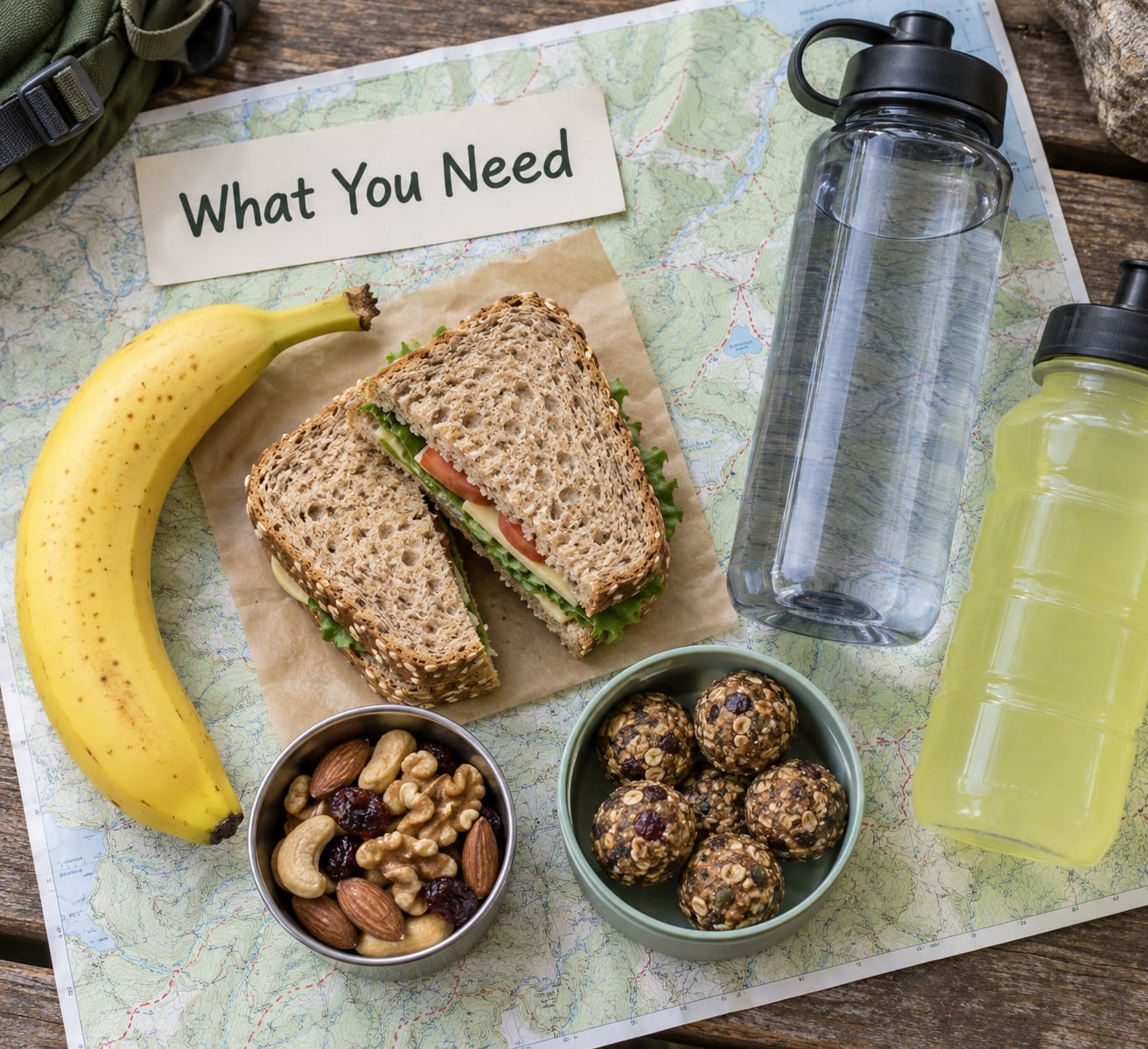
You need three things decided before you leave: a meal plan, something to carry, and a bottle. That is genuinely it. No specialty sports nutrition required for a walk or a day hike.
Food. Something carb-based and easy to digest before, something you can eat with one hand while moving during, and something with carbs plus protein afterward. Everyday items do the job: bagels, tortillas, oatmeal, rice cakes, bananas, nut butter, dried fruit, jerky, yogurt, eggs, tofu, lentils, chocolate.
Fluids. Plain water covers most walks under two hours. Longer than that, in heat, or if you are a heavy sweater, you need sodium and potassium too, which is what electrolyte drinks and salted foods provide.
Timing. Three numbers to hold in your head: 2 to 3 hours before for the main meal, 30 to 60 minutes before for the top-up, 60 to 90 minutes between snacks during. Most of the guesswork people do about food comes from not having those numbers written down.
One variable only you control is tolerance. Some people handle fiber and fat well, others get crampy at mile four. Do a shorter walk first with any new food before you trust it on a 20-mile day.
Step-by-Step: How to Eat Before and After a Long Walk or Hike
1. Eat a Balanced Meal 2 to 3 Hours Before Leaving
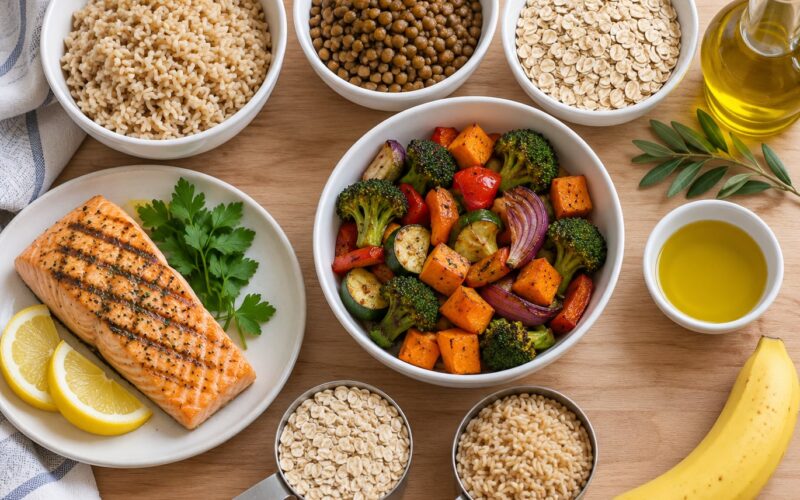
Build the pre-walk meal around carbohydrates with moderate protein and only a little fat. That combination fills liver and muscle glycogen, the stored carbohydrate your body burns first, and it clears your stomach before you start moving.
Concretely: two slices of whole-grain toast with peanut butter and a banana, or a bowl of oatmeal with banana and a spoon of nut butter, or a couple of eggs with toast and fruit. A bagel with cream cheese works. A tortilla rolled around beans and cheese keeps better if you are leaving straight from the door.
Portions are ordinary. Most people do well with roughly 400 to 700 calories two to three hours before, which is about a normal breakfast or a normal lunch. You are not carb-loading unless you are doing a multi-day trip.
You know it worked when you feel comfortably full but not stuffed. Walking on a full stomach is unpleasant, and the meal should have digested rather than settled into a lump.
2. Add a Light Top-Up 30 to 60 Minutes Before Walking
If your last real meal was more than three hours ago, add something small. A banana, a handful of dried apricots, three or four crackers, or half an energy bar is plenty.
This matters most for early starts. Anyone who eats nothing before a 6 a.m. walk and then hits hills at mile eight tends to regret it. A short top-up gives you something to work with without asking your stomach to digest a full meal while you climb.
Skip the top-up if you ate a solid meal an hour ago and are walking on flat ground for an hour. More food than you need here means sluggishness and, for some people, nausea.
3. Carry Simple Fuel for a Long Walk or Hike
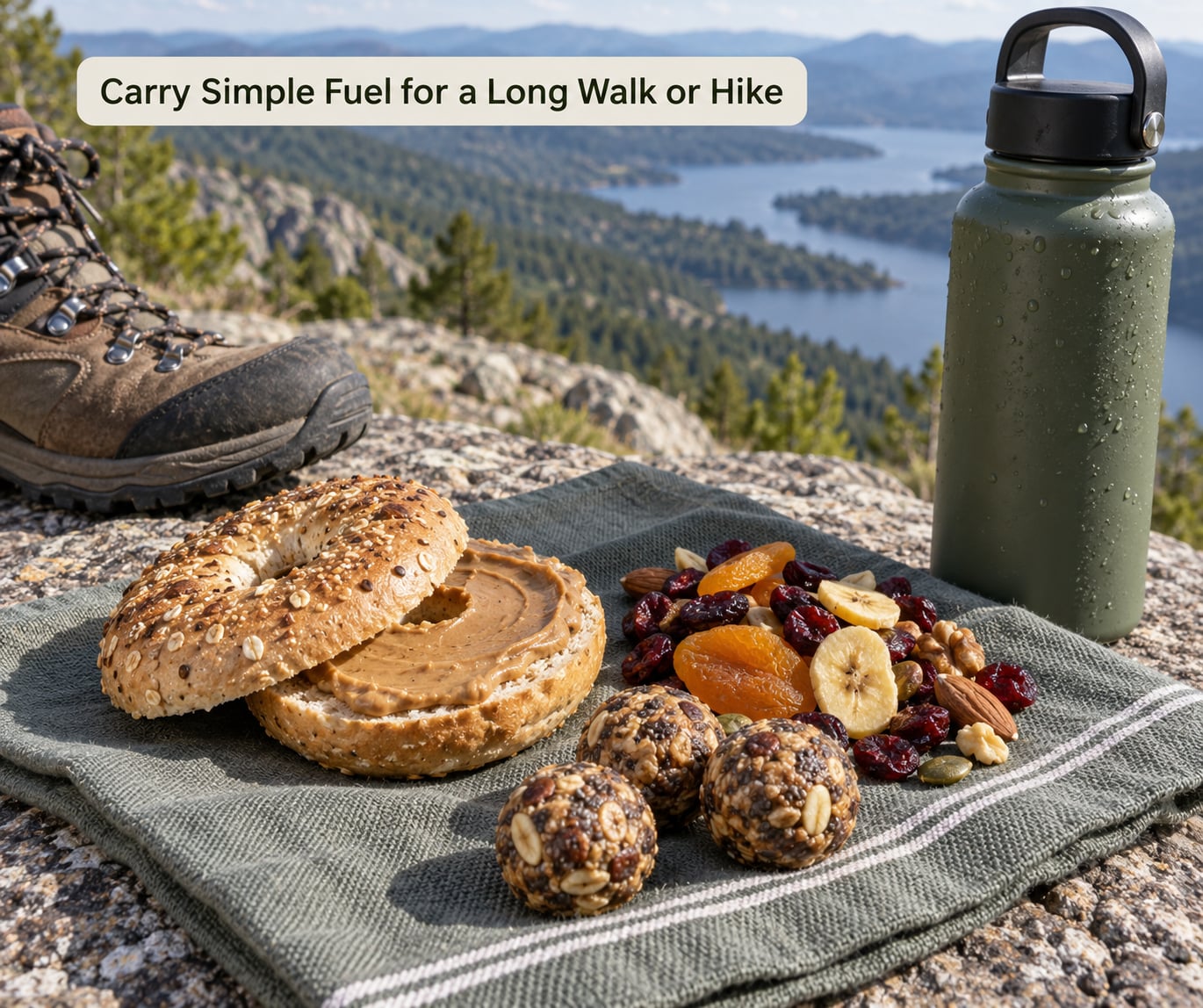
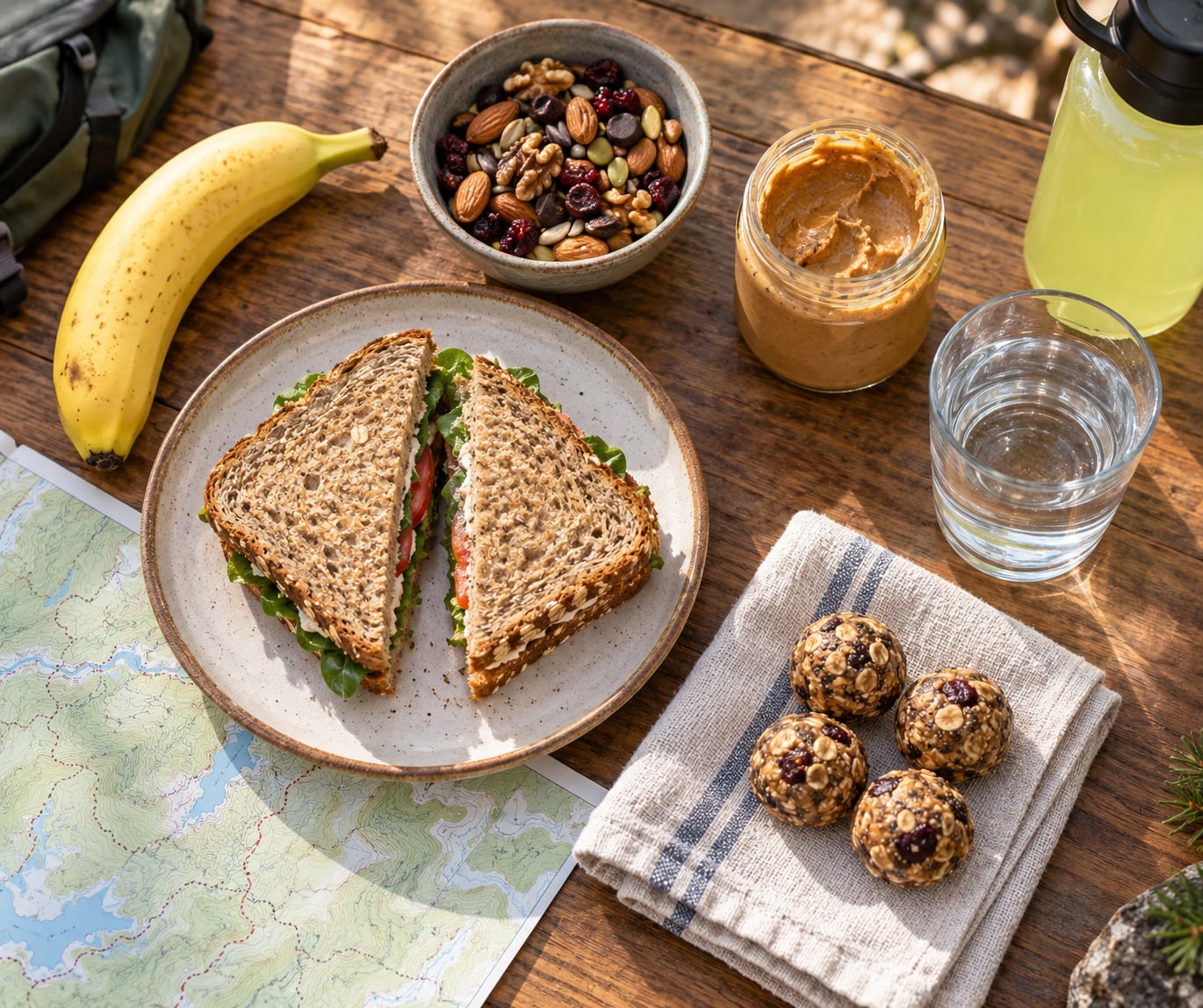
Eat something every 60 to 90 minutes on anything longer than three hours. Most days that means two to five small items, and the snacks are deliberately small because you eat them slowly while walking.
- Trail mix made mostly of raisins, dried cranberries, peanuts, pretzels and a few chocolate raisins rather than nothing but cashews. Nut-heavy mixes are around 56 percent fat by calories, which is a lot on a long climb.
- Energy bars and bites. Dense and portable, though they taste better as the day’s second snack than the first.
- Bananas, dried fruit, or apple slices with peanut butter in a small pot.
- Rice cakes, pretzels, or crackers with cheese or nut butter.
- Tortilla wraps with hard cheese, or peanut butter and jelly.
- Jerky, especially turkey or beef, for protein and salt.
- Gummy bears and chocolate. Cheap, they digest quickly, and they keep morale up on a repetitive stretch of trail.
If you want numbers, aim for roughly 150 to 250 calories of carbohydrate-heavy food per hour. People packing for big days often aim for food near 120 to 130 calories per ounce, because the weight adds up fast in the pack.
Put your snacks in small zip bags so you are not opening a wrapper on a windy ridge, and keep one portion in your pocket rather than at the bottom of the pack.
4. Drink Regularly Rather Than Waiting Until You Are Thirsty
Sip on a schedule instead of waiting for thirst. Thirst lags behind fluid loss, and by the time you feel thirsty you are already behind.
A reasonable starting point for most people is about half a liter of fluid per hour, adjusted upward in heat, at altitude, or if you are walking with a heavy pack. That sounds like a lot until you notice it is the ordinary size of a bottle every forty minutes or so.
For walks under two hours in mild weather, water is enough. Past that, or on a hot day, or if you are a heavy sweater, you are replacing more than water: sodium and potassium left in the sweat. An electrolyte drink, salted crackers, or simply salting your food covers it. A simple self-test: weigh yourself in nothing before and after a long walk. The difference in pounds roughly equals the fluid you lost, and replacing that is your target.
Watch the color of your urine as a rough guide. Very pale means you are drinking plenty; dark amber by mid-afternoon usually means more fluid and more sodium.
5. Refuel Within a Few Hours After Finishing
Aim to eat something within 30 to 60 minutes of stopping. That window is often called the recovery window, and it matters most when the session was long or hard; after an easy two-hour walk, ordinary mealtime is fine.
The plate rule is simple: carbohydrates to refill glycogen, protein to repair muscle, and fluid to rehydrate. Roughly three parts carbohydrate to one part protein, which for most people looks like rice or potatoes or bread alongside chicken, eggs, yogurt, tofu, or beans.
- Full meal, kitchen available: chicken and rice with vegetables, or pasta with a bean sauce, plus a glass of milk or water.
- No kitchen, arrived home late: a glass of milk and a banana, yogurt from a spoon, or toast with peanut butter.
- Vegetarian or plant-based: lentils with rice, tofu stir-fry with noodles, hummus and flatbread, or a smoothie with banana, oats, and a scoop of protein powder.
- No appetite at all: do not force a plate. Small and frequent beats one large meal, so have a drink first, then a banana, then something more substantial half an hour later when your appetite returns.
You know it worked when you are not ravenous within an hour and your legs feel ordinary the next morning rather than wrecked. Drink more across the rest of the day than you feel like, because rehydration continues after the meal.
Common Mistakes
Starting with nothing. The most common error. You will feel fine for ninety minutes and then hit an empty tank. Fix: the top-up snack, even if you feel you do not need it.
Eating too much before. A heavy, greasy meal sits in your stomach while you climb. Fix: keep the pre-walk meal carbohydrate-led and moderate in size, and give it two to three hours.
Choosing fried or very high-fiber food. Beans, large salads, raw onions, and fried takeaway are common sources of gas, bloating, and stomach cramps three hours into a walk. Fix: low-fiber, well-cooked choices before, and save the bean salad for afterward.
Going too heavy on nuts. Nut-heavy trail mix is almost all fat, which digests slowly and sits heavily. Fix: mix dried fruit and pretzels in with the nuts so carbs lead.
Relying on sweet snacks alone. Sugar gives a fast lift and then a flat patch, and on its own it does not replace much fluid. Fix: pair sweets with something salty or protein-bearing, like chocolate plus jerky.
Forgetting fluids and then overeating afterward. Arriving home dehydrated makes food feel unappealing and leads some people straight to a huge meal. Fix: drink first, wait ten minutes, then eat.
Skipping the recovery meal. A second long walk the next day on unfilled glycogen stores feels much harder than it should. Fix: eat carbs with protein the same evening.
One habit ties all of these together: test any new food on a shorter walk first. Two hours, flat ground, one new item. If your stomach is quiet afterward, it goes on the next trip.
If you are managing a medical condition, taking regular medication, or have a history of digestive problems, ask your doctor or a registered dietitian for advice specific to you before changing how you eat around exercise.
Frequently Asked Questions
How long before a long walk should I eat?
Aim for a full meal two to three hours before you start, then a small snack 30 to 60 minutes before if your last meal was earlier than that. Two hours gives your stomach time to empty and your glycogen stores time to fill. If you leave within an hour of eating, keep that meal smaller and lower in fat so it does not sit badly while you walk.
What is the best snack to eat before a hike?
A banana, a handful of dried fruit, or a few crackers with nut butter. You want carbohydrate, low fiber, almost no fat, and something you can eat quickly. Anything greasy, fried, or heavily spiced is more likely to cause problems at mile four than to help you at mile zero. For a long hike, top up again in the last hour.
Should I eat during a long walk even if I am not hungry?
Yes. Hunger is a late signal on long efforts, and most people feel hungry right around the point they run out. Eating every 60 to 90 minutes keeps energy steadier and makes the back half of the walk easier. Keep portions small, roughly 150 to 250 calories per hour, and choose foods you can handle one-handed without stopping.
How much water should I drink on a long hike?
Most adults start around half a liter of fluid per hour and adjust from there. Add more in heat, at altitude, or with a heavy pack, and consider electrolytes since you lose sodium and potassium in sweat too. A useful check: weigh yourself before and after a long hike, and aim to replace roughly the weight you lost in fluid.
What should I eat after walking to lose weight?
Eat a normal balanced meal with protein rather than skipping it. Walking burns real energy, and skipping recovery food tends to backfire with more snacking later in the day. Keep the portions ordinary and put the emphasis on protein, vegetables, and carbohydrates so you recover properly. If you walked a long way, refuelling is not what undoes the session.
Can I eat a heavy meal before a long walk?
Not within about three hours of setting off. A heavy, greasy, high-fiber meal digests slowly and often leads to bloating, reflux, or cramps once you start climbing. If you have no choice, eat a smaller portion of the lighter parts of the meal, skip fried sides, and give yourself as much time as you can before leaving.
Conclusion
Start with the smallest useful version of this plan: a carbohydrate-led meal two to three hours before, a banana in the last hour if the walk is long, a small snack every 60 to 90 minutes while you are out, regular drinks, and a meal with carbs and protein within the hour you finish.
Adjust from there. Longer days, more hills, more weight in the pack, more heat, all mean more fuel and more fluid. Nothing about how to eat before and after a long walk or hike is complicated; the difficulty is just remembering the plan when your legs are tired and your stomach is empty.