If you feel bloated after salty food, the cause is usually fluid rather than food volume. A high-sodium meal makes your body hold on to water for a day or two, and that extra water collects in your tissues and inside your abdomen. It is temporary, and the waistband-tight feeling most people describe is water weight, not fat.
That is the short answer, and it is worth getting right because the number on the scale the next morning can jump 1 to 3 kg with no change in body fat at all. People posting weigh-ins on r/loseit describe exactly this see-saw after restaurant meals. Once you know what is happening in your body, the relief steps make a lot more sense.
Table of Contents
- What Happens in Your Body After Salty Food?
- Why Does Salt Make You Feel Bloated?
- Why you feel bloated after salty food is fluid, not fat
- Why it shows up the next morning instead of right away
- How Much Bloating Is Normal After a Salty Meal?
- What Foods and Drinks Can Make the Effect Stronger?
- How to Get Relief After Eating Something Salty
- Drink to your normal thirst, not beyond it
- Choose a lighter next meal
- Add fibre gradually and move gently
- Skip more salt, alcohol and caffeine for a day or two
- Sleep and expect the morning bump
- How to Reduce Bloating From Salty Food in the Future
- When Is Bloating After Salty Food Not Just Sodium?
- Frequently Asked Questions
- How long does bloating from salt last?
- Is bloating after salty food the same as weight gain?
- Does drinking more water get rid of salt bloating faster?
- Does salty food cause gas as well as fluid retention?
- When should I see a doctor about bloating after salty food?
- Conclusion
What Happens in Your Body After Salty Food?
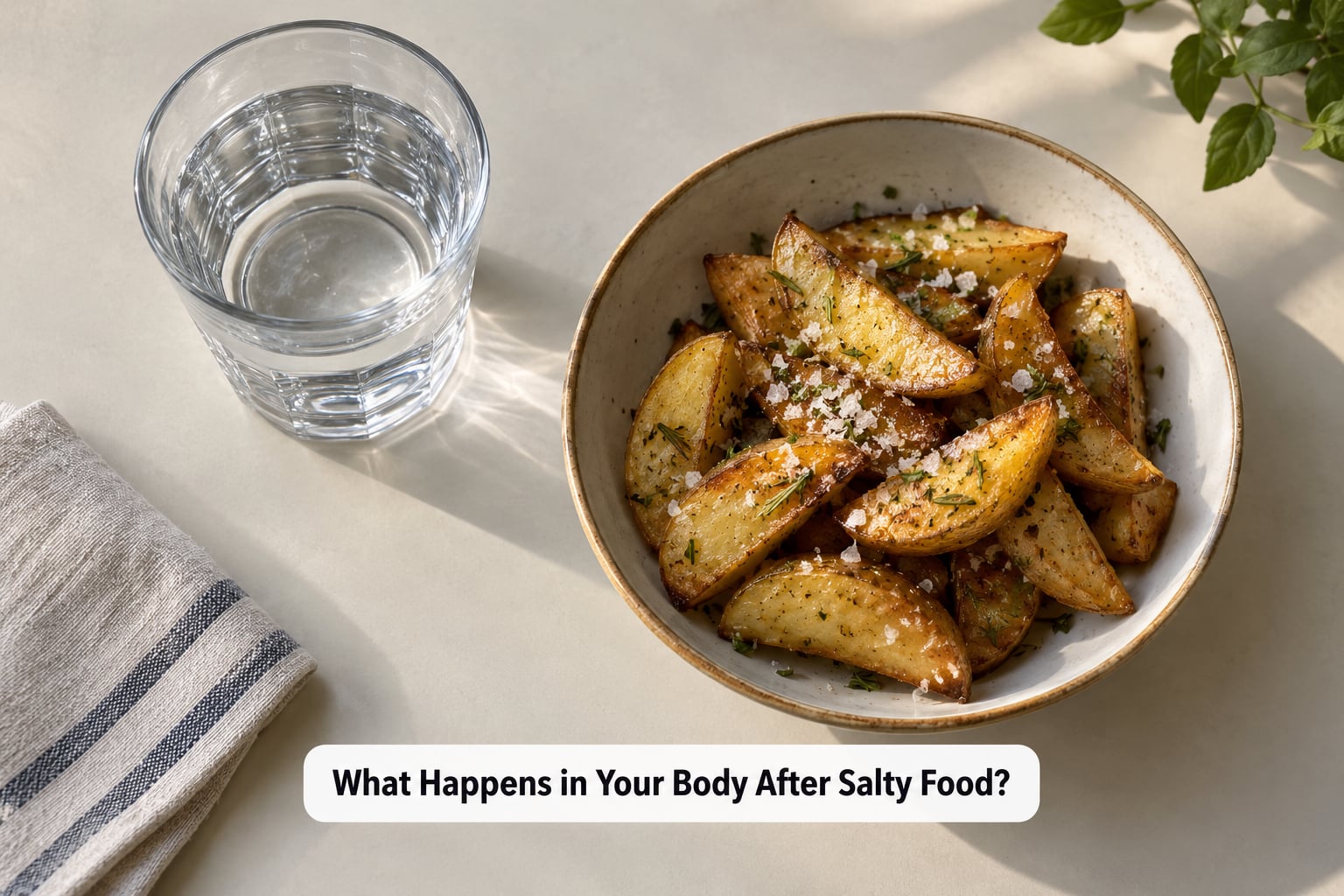
Sodium has one big job in your body, and that job is water management. Your kidneys use it to decide how much water to keep and how much to send out with your urine. Eat a lot more sodium than usual in one sitting and the balance tips, so your body keeps more water than it needs and parks the surplus where gravity puts it first: around the abdomen, the ankles, and the face on waking.
Three things tend to happen in the hours after a salty meal. Your blood salt concentration rises slightly, your kidneys reduce the amount of water they excrete, and the gut holds onto the contents of the meal a little longer because the surrounding fluid balance has changed. Add thirst, and the drink you have with the meal finishes that off.
The sensation is fullness with pressure rather than the gurgly, shift-it-along feeling of trapped gas. Most people describe their waistband feeling tight and their stomach looking bigger in a photo. That distinction matters, because gas and water respond to completely different fixes.
Why Does Salt Make You Feel Bloated?
High sodium raises the salt concentration of your blood. Your brain detects that shift and signals the adrenal glands to release a hormone called aldosterone, which tells the kidneys to pull sodium back out of the bloodstream and hold on to the water travelling with it. Fluid that stays behind settles into the tissue spaces around your organs, including the walls of your gut, which is where the pressure and stretch sensation comes from.
Think of it like a sponge. A dry sponge soaks up whatever you pour on it and swells. A damp sponge takes very little. The same idea applies to tissues soaked in fluid, and that is why the effect is stronger the more sodium you eat and the less fluid you have circulating.
Why you feel bloated after salty food is fluid, not fat
One gram of fat adds roughly 3,500 kilocalories to your intake, and body fat that is actually gained takes days to show up. Water moves within hours. A single salty meal cannot create fat tissue, so the puffiness you see in your stomach the next morning is fluid sitting in and around your abdomen, and it leaves on its own schedule.
Your scale is the clearest example. A jump of a kilogram or two overnight that fades within 48 hours is sodium and water, not a change in body composition. If the number stays up for a week, that is a different conversation.
Why it shows up the next morning instead of right away
While you sleep you are not drinking, and gravity shifts fluid from the legs back toward the trunk. Your kidneys also slow down overnight. Both of those things make the retained fluid more visible when you wake up, which is why so many people report a puffy face and a tight waist in the morning rather than at dinner.
How Much Bloating Is Normal After a Salty Meal?
Temporary fullness in the hours after a high-sodium meal, or by the next morning, is common. For most adults, normal water balance returns within 24 to 48 hours. That is the range people in weight-loss forums consistently report, and it matches what you see in the pattern: a peak, then a steady decline over two days.
Less sodium on the following days speeds that up. Consistently low sodium intake can also leave you holding fluid, which surprises people, and the general guidance from health bodies is that very low intakes are not something to aim for on your own.
Here is where to stop treating it as normal. Symptoms that last several days without settling, come back after every salty meal, or come with pain deserve a conversation with a doctor. So does visible swelling in the face, hands or legs that persists. This article is general information, not a diagnosis.
What Foods and Drinks Can Make the Effect Stronger?
Some meals stack several causes into one sitting, which is why a restaurant dinner can feel worse than the salt content alone would predict.
- Processed staples. Deli meats, cured sausage, instant noodles, tinned soup, salty snack crackers and salty nuts can each carry a large share of the daily sodium limit in a single portion.
- Restaurant and takeaway food. Sauces, gravies and brines concentrate through cooking, and a plated meal often delivers several times the sodium of home cooking before dessert arrives.
- Large portions. A bigger volume in the gut means more stretch and more pressure whatever you ate, and sodium on top of that makes it linger.
- Alcohol. Alcohol adds fluid, encourages urine output that leaves you dehydrated, and disrupts sleep, and all three push the next morning in the wrong direction.
- Carbonated drinks and chewy sweets. Swallowed air and rapid gastric emptying add fullness that is not water retention at all but feels identical for an hour.
- Low-fibre meals. White bread, white rice and pastries ferment quickly in the gut, producing gas that compounds the stretched feeling.
Thirst is a big one. A salty meal makes you thirsty, and a large glass of water with the meal adds volume to the gut at the same moment everything else is already full.
How to Get Relief After Eating Something Salty
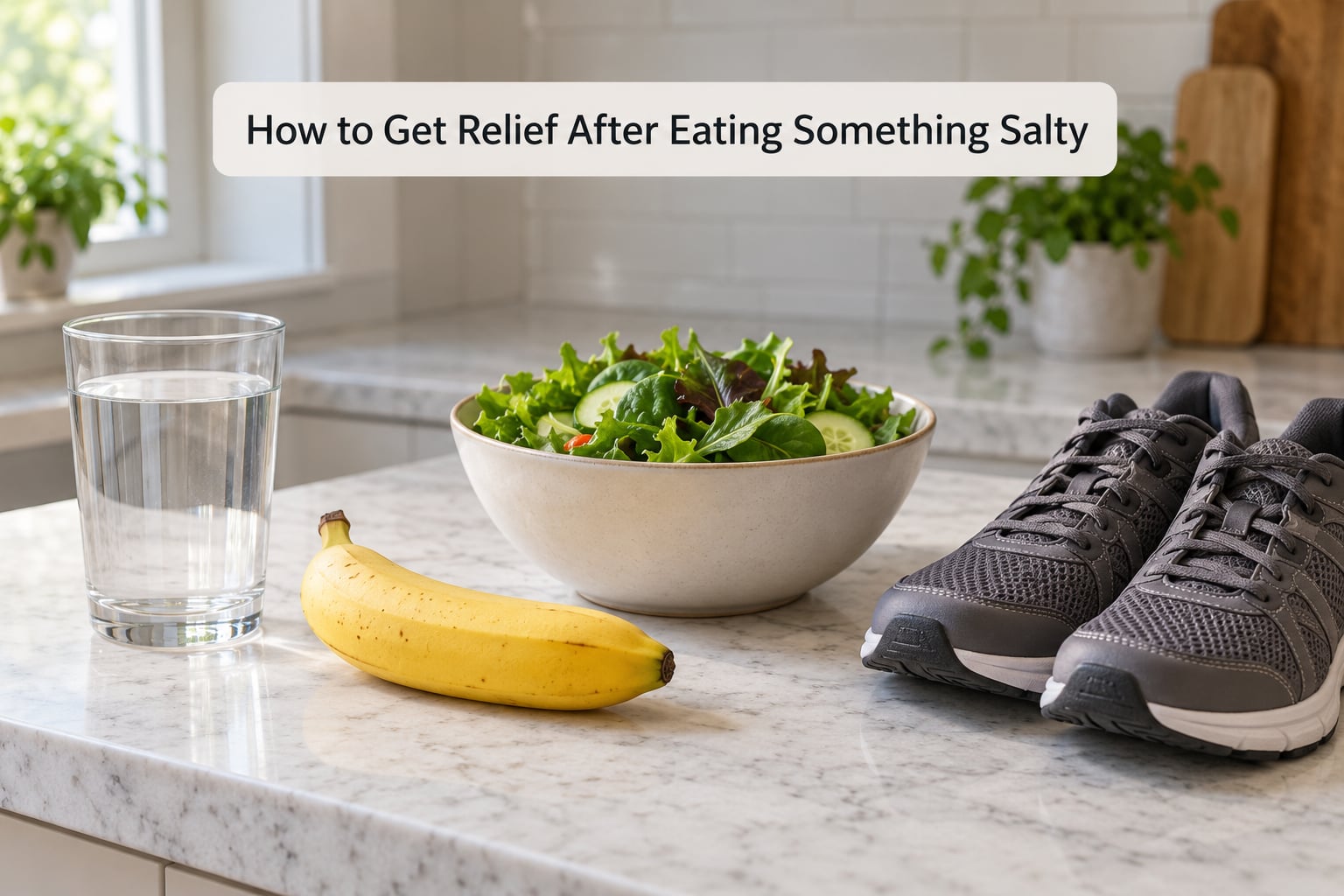
None of this is a treatment for anything. It is the ordinary set of habits that most people find makes the next 48 hours easier.
Drink to your normal thirst, not beyond it
The old advice to drink less so you look less puffy backfires. When you are dehydrated, your body holds onto sodium more tightly to protect blood volume, so the retention continues. Drink normally across the day instead. Chasing a gallon in one sitting mostly means more time in the bathroom.
Choose a lighter next meal
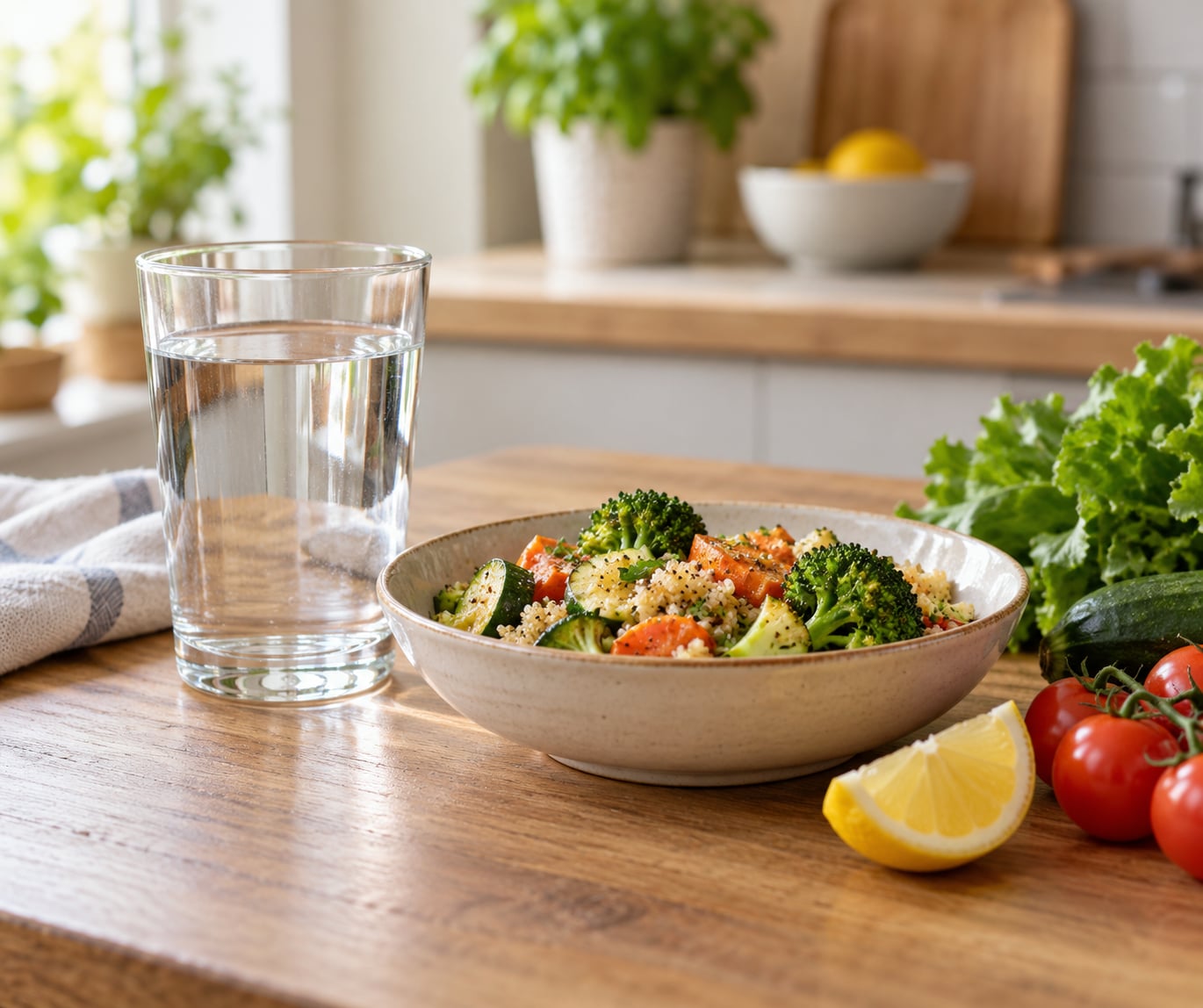
Go for something with potassium and water: a salad, a banana with yogurt, potatoes, or a bowl of soup that is not the salty kind. Potassium-rich foods support the kidneys in moving sodium out, and they add fluid rather than removing it. If the kitchen is closed, a few plain crackers and a piece of fruit still beat a takeaway.
Add fibre gradually and move gently
Transit slows on a heavy meal, and slow transit makes room feel fuller for longer. A short walk of 15 to 20 minutes, gentle stretching, or a few minutes of general movement is usually enough to restart things. A slower next meal with some vegetables and beans helps, though adding a lot of fibre all at once can make gas worse.
Skip more salt, alcohol and caffeine for a day or two
Finish the rest of the day with plain food and drink. The kidneys clear the surplus steadily once intake drops, and the timeline speeds up noticeably when the next two meals are lower in sodium than the first one.
Sleep and expect the morning bump
You cannot outsmart the overnight pattern, so plan around it. If you have a weigh-in, a photo shoot or a fitted outfit the next morning, adjust the meal beforehand rather than the morning itself.
How to Reduce Bloating From Salty Food in the Future
Prevention is mostly about reading, not restraint. Most sodium in an average diet comes from a handful of everyday items, so those are the ones worth changing.
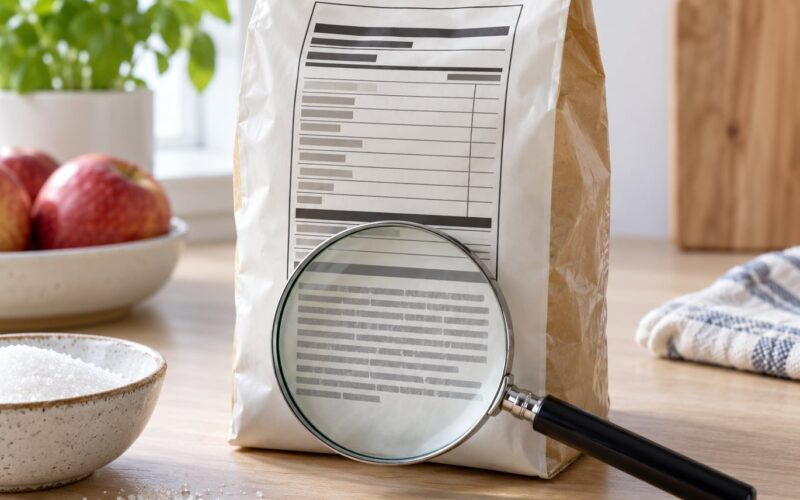
- Compare labels, not vibes. A can of soup and a portion of deli meat can each approach a large share of the 2,300 mg daily limit, and few packaged servings are one portion as printed.
- Know what the label terms mean. Reduced sodium means at least 25 percent less than the standard version, low sodium means 140 mg or less per serving, and no salt added means no added salt, though the food may still contain natural sodium.
- Rinse canned foods. Draining and rinsing tinned beans, tuna and vegetables removes a noticeable share of the brine.
- Season with herbs and spices. Garlic, paprika, lemon, dill, black pepper and vinegar carry a lot of flavour for no sodium at all.
- Eat slowly. Salt plus speed is the common pairing people report. Chewing properly and giving your stomach time to signal fullness cuts both the volume problem and the reflux that comes with it.
- Balance the meal. A plate with vegetables, protein and a source of fibre handles a salty side dish much better than the same side dish on its own.
Salt substitutes made with potassium chloride reduce sodium but add potassium, which is not suitable for everyone, particularly people with kidney problems or certain medications. Ask a pharmacist before switching if you are on a daily prescription.
When Is Bloating After Salty Food Not Just Sodium?
Some patterns do not fit the salty-meal explanation. Talk to a doctor or a registered dietitian about these.
- Severe or worsening abdominal pain, or pain that is localised to one area.
- Swelling in the face, hands, ankles or around the eyes that does not settle within a day or two.
- Shortness of breath, chest tightness, or swelling alongside unexplained rapid weight change.
- Bloating that shows up daily regardless of what you ate, or that is slowly getting worse over weeks.
- Symptoms that track a specific food every time, particularly with diarrhoea, vomiting, blood in the stool or unintentional weight loss.
Conditions a clinician may want to check for include kidney or heart function, liver problems, thyroid issues, coeliac disease, and irritable bowel syndrome. If you are pregnant, on daily diuretics, or managing heart failure or kidney disease, ask for advice before changing what you eat or drink.
Frequently Asked Questions
How long does bloating from salt last?
For most adults, water balance returns to normal within 24 to 48 hours of a high-sodium meal. The peak usually arrives in the morning after, when fluid shifts back toward the trunk during sleep and the kidneys are working less. If the feeling is still there after two full days, or pain is involved, treat that as something to raise with a doctor.
Is bloating after salty food the same as weight gain?
No. A single salty meal cannot create fat tissue, because gaining even a small amount of fat takes days and a calorie surplus. The 1 to 3 kg people see on the scale the next morning is water held by your body to manage the sodium load. It rises quickly and comes off just as quickly once sodium intake drops and you are drinking normally.
Does drinking more water get rid of salt bloating faster?
It helps indirectly, because the kidneys can only flush sodium out through urine, and they do it more efficiently when you are well hydrated. But forcing huge amounts at once mostly means repeated bathroom trips, and cutting your water back to look less puffy backfires, since mild dehydration makes your body hold onto sodium more tightly. Drink to normal thirst across the day.
Does salty food cause gas as well as fluid retention?
Sometimes the two overlap, but they feel different. Water retention brings a steady, heavy pressure and a tight waistband that peaks in the morning. Gas comes in waves, shifts position, and often makes noise. A salty meal on its own mostly does the first. Refined carbohydrates, beans, onion and carbonated drinks added to that meal are usually what produce the second.
When should I see a doctor about bloating after salty food?
See a doctor if the swelling lasts several days, comes with severe or one-sided abdominal pain, affects your breathing, or keeps happening no matter what you eat. Also worth a check: visible swelling of the face, hands or ankles, rapid unexplained weight change, or any blood in the stool. Persistent bloating that appears daily needs assessment rather than dietary guessing.
Conclusion
Salty food makes you feel bloated because sodium shifts your fluid balance and your body holds water to manage it. That extra fluid gathers around your abdomen and in your tissues, which is why your waistband is tight on waking and your stomach looks bigger. It is not fat, and it clears on its own, usually within a day or two.
Drink to your normal thirst, keep the next couple of meals light and potassium-rich, move a little, and let the extra sodium pass. If the swelling lasts beyond a couple of days, arrives with pain, or keeps coming back whatever you eat, book an appointment rather than adjusting your diet further. Anyone with kidney, heart, liver or thyroid conditions should ask their clinician before making changes.
Last updated: October 2026. General information only, not medical advice.