Yes, you can eat potatoes and still lose weight. Boiled, steamed, baked or air-fried with the skin on, a medium potato lands somewhere around 150 to 170 calories and sits at the top of the satiety index, so it fills you up for less energy than most other starches. The thing that actually undoes the benefit is usually the portion size and what gets piled on top.
That is the part most people miss. Potatoes get treated as a forbidden food, and then a baked potato arrives with butter, sour cream, shredded cheese and bacon and quietly turns into a 500-calorie meal. Nothing about the potato did that.
This guide covers the practical version: how big a portion to eat, which cooking methods keep calories low, what to add so the meal holds together, and how to slot potatoes into a day of eating that is already in a calorie deficit. Figures are given as realistic ranges rather than lab-exact numbers, because potato size and cooking method move them around.
If you are managing diabetes, insulin resistance, PCOS or blood sugar generally, read the portion and timing sections with your own clinician, since those situations change the answer.
Table of Contents
- What You Need Before You Cook
- A simple portion guide, and a scale if you have one
- Two or three protein options you actually like
- Non-starchy vegetables and one or two lighter sauces
- Thirty minutes on a Sunday, or a pot of water
- Step-by-Step: Five Steps to Eating Potatoes and Still Losing Weight
- How to Choose a Sensible Potato Portion
- How to Prepare Potatoes for Weight Loss
- How to Build a Filling Potato Meal
- How to Choose Potato Add-Ons That Support Your Goals
- How to Fit Potatoes Into a Weight-Loss Meal Plan
- Common Mistakes That Stall Weight Loss
- Portion size, not the potato
- Loaded toppings doing the damage
- Stacking starches in one meal
- Skipping protein
- Believing any single food stops weight loss
- Trying the single-food potato diet
- Frequently Asked Questions
- Can I eat potatoes if I am trying to lose weight?
- How many potatoes should I eat on a weight-loss meal?
- Are baked or boiled potatoes better for weight loss?
- Do potatoes make you gain weight?
- What should I eat with potatoes to make the meal more filling?
- Can I eat potatoes every day while trying to lose weight?
- What to Do First
What You Need Before You Cook
You do not need anything exotic. You need a way to judge portion size, one cooking method you like, and a couple of foods to put next to the potato.
A simple portion guide, and a scale if you have one
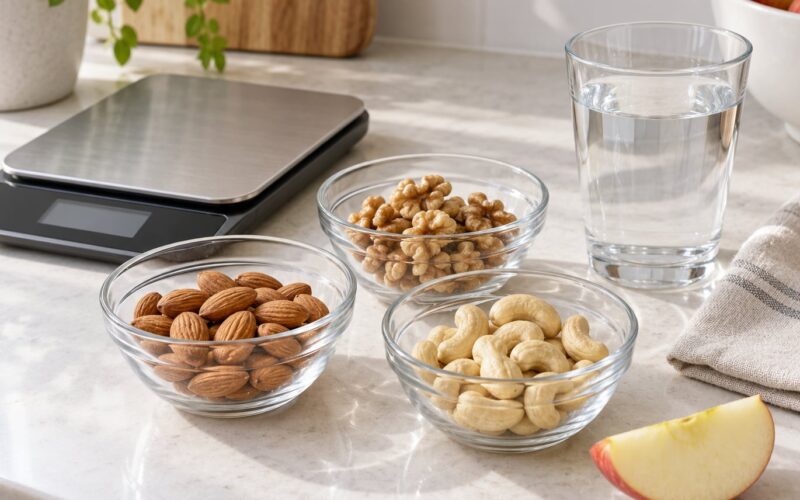
A cheap kitchen scale is the fastest way to stop guessing, and getting one is worth it in the first two weeks. If you would rather eyeball it, the hand rule works: a closed fist is roughly one cup of potato, and a medium potato you can cup in both hands is a serving.
The number that matters most is this one. A medium potato of about 150 grams, cooked and eaten with the skin, is roughly 150 to 170 calories. Raw is closer to 110 because there is no water absorbed during cooking. Knowing that single number removes most of the anxiety people carry around this food.
Two or three protein options you actually like
This is the part that does the real work. A potato eaten on its own is a carbohydrate with a little fiber and not much else, and hunger tends to come back fairly quickly. Add 3 to 4 ounces of protein and the same plate behaves completely differently.
Easy options: scrambled eggs, grilled chicken, canned tuna, salmon, Greek yogurt, lentils, black beans, cottage cheese. Nothing needs to be fancy or expensive.
Non-starchy vegetables and one or two lighter sauces
Broccoli, green beans, salad, peppers, spinach, zucchini and cabbage all add bulk and fiber for very few calories, which is what makes the meal satisfying rather than starchy. For sauces, keep plain Greek yogurt, salsa, mustard, salsa verde, vinegar, herbs and nutritional yeast within reach instead of relying on what is already in the fridge.
Thirty minutes on a Sunday, or a pot of water
Batch cooking is the single change that makes potatoes a default rather than an occasional event. Boil or roast a tray of potatoes, portion them into containers, and they become a side you can pull together in five minutes on a weeknight. Details are in the meal-plan step below.
Step-by-Step: Five Steps to Eating Potatoes and Still Losing Weight
How to Choose a Sensible Potato Portion
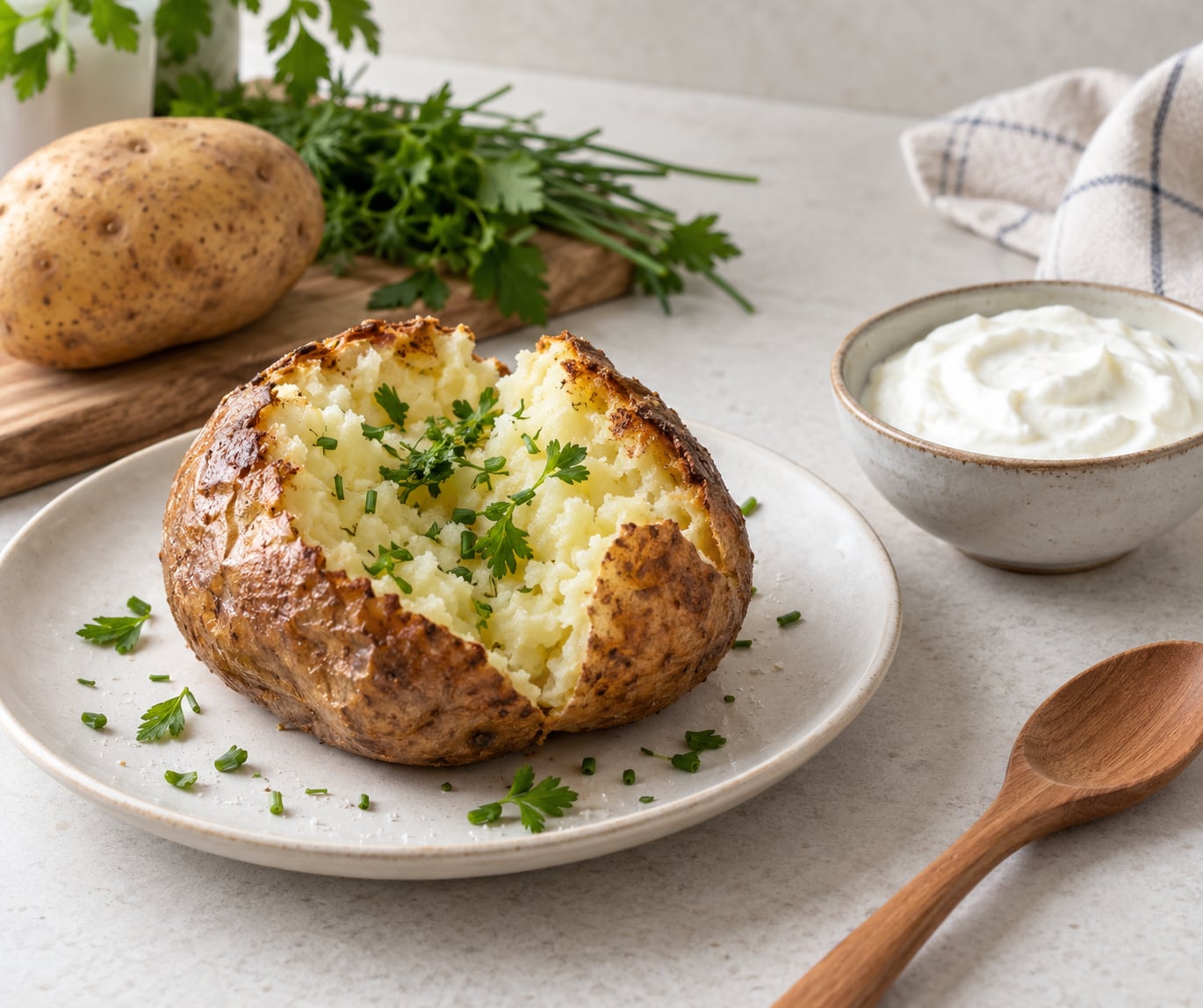
Start with one medium potato, skin on, cooked without added fat. That lands near 150 to 170 calories and about 35 to 40 grams of carbohydrate, which fits comfortably inside a normal day’s carbohydrate allowance for most adults.
Two potatoes is not too much. Two medium baked potatoes come to roughly 320 calories, which is about what a bag of fries and a large coffee would run you, and it costs you a lot less because you are not absorbing frying oil. If you are eating two, drop the butter and keep the skin on both.
Plain boiled potato is about 70 to 90 calories per 100 grams, which is why potato shows up so often in high-volume eating circles. It is one of the lowest-calorie starches available when it is not cooked in fat.
Portion size should flex with the rest of the meal. If the potato is the star, one is plenty alongside a large salad and a palm of protein. If it is a side to a protein-heavy dinner, half a potato is often enough.
How to Prepare Potatoes for Weight Loss
Preparation is the whole game. The same potato ranges from under 90 calories to well over 400 depending on what happens in the oven or the fryer.
Boiled and steamed come out lowest at roughly 70 to 90 calories per 100 grams, with nothing added and all the water kept in the flesh. Baking or roasting with the skin on, ideally on a rack with a small amount of oil or none at all, runs about 90 to 100 calories per 100 grams and keeps nearly all of the fiber. Air-fried wedges without added oil land in a similar range, though they brown faster than you expect and are easy to overcook into leathery edges.
Mashed is fine when you change what goes into the bowl. Greek yogurt and a fork instead of butter and cream keeps a serving near 110 to 130 calories per 100 grams. Deep frying is the outlier. A medium order of fries lands somewhere around 350 to 450 calories before any sauce, and the food is less satiating per calorie than a boiled potato, which is why the portion never feels like enough.
Here is the same comparison as a quick list, per 100 grams:
- Boiled or steamed: about 70 to 90 calories, the lowest of any cooked form. Keep the skin.
- Baked, skin on: roughly 90 to 100 calories, and it keeps nearly all of the fiber.
- Roasted with a light coating of oil: about 110 to 140 calories, so measure the oil rather than pouring it.
- Air-fried with no added oil: around 90 to 110 calories. Watch the browning, it happens fast.
- Mashed with Greek yogurt instead of butter: about 110 to 130 calories per serving.
- Loaded baked potato: 400 to 600 calories once butter, sour cream, cheese and bacon go on.
- French fries: roughly 350 to 450 calories for a medium order, before any sauce.
What to avoid:
- Deep frying and large portions of fries or chips
- Butter, ghee or heavy oil poured over potatoes
- Sour cream, mayonnaise or cream-based sauces
- Large amounts of shredded cheese or bacon
- Portion size taken from the bag, not from a plate
How to Build a Filling Potato Meal
A potato alone is not a meal. This is the fix that forum users stumble onto and most ranking articles skip: pair it with protein and vegetables, and hunger stops arriving an hour later.
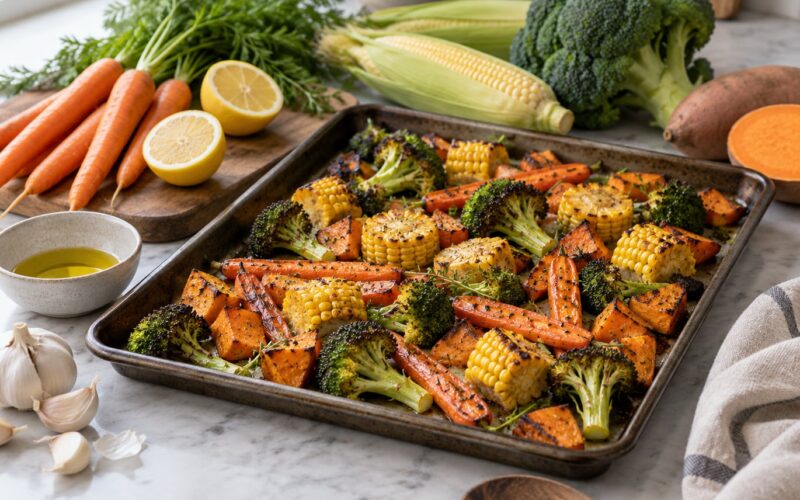
A workable plate looks like this. One medium potato takes up about a quarter of the plate. A palm-sized portion of protein takes another quarter. The rest, roughly half the plate, is non-starchy vegetables dressed with a small amount of fat such as olive oil, avocado or a tablespoon of seeds.
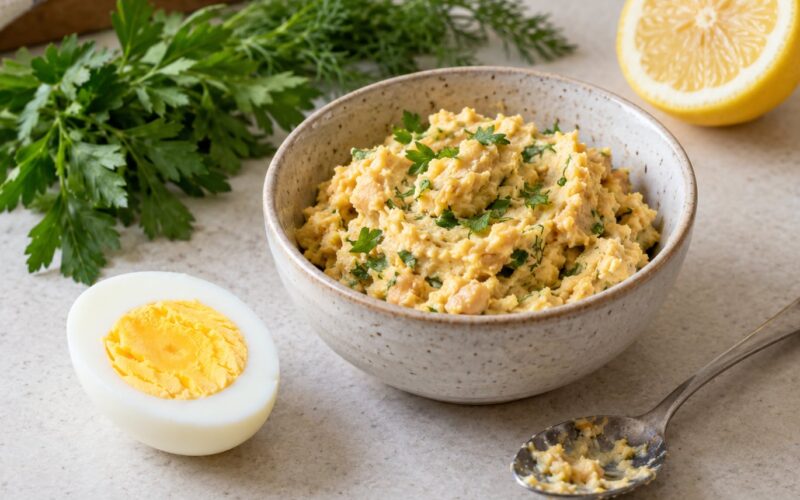
Examples that hold together well: a baked potato filled with black beans, salsa and Greek yogurt beside a big salad; a bowl of roasted potato cubes with chicken, broccoli and a lemon dressing; boiled potato chunks, hard-boiled eggs and greens with mustard dressing; a portion of leek and potato soup with a side salad and a protein.
The fiber, potassium and vitamin C in a potato with the skin on matter here too. Potassium in particular plays a role in fluid balance and blood pressure, and the skin contributes a meaningful share of the fiber that slows digestion.
How to Choose Potato Add-Ons That Support Your Goals
Toppings are where a 160-calorie vegetable quietly becomes a 500-calorie one. The swap list matters more than the topping itself.
- Greek yogurt or skyr instead of sour cream
- Mustard, salsa or salsa verde instead of mayonnaise or cheese sauce
- Nutritional yeast or a small amount of grated cheese instead of a full layer
- Black beans or leftover bean chili instead of bacon
- Herbs, garlic, chili flakes and vinegar for flavor instead of extra oil
- Steamed broccoli or spinach stirred in at the end instead of a fried side
Fatty toppings are not off limits, they are just budget items. A small amount still adds up, and the easiest way to keep it small is to put the spoon out and take one spoonful rather than spooning from the container.
How to Fit Potatoes Into a Weight-Loss Meal Plan
Potatoes work best as a planned component rather than a spontaneous one. A rough guide: one medium potato most days, or two smaller servings on training days, with the rest of the day built around protein, vegetables and a modest amount of fat.
Batch cook on a Sunday. Simmer whole potatoes with the skin on for about 20 to 25 minutes until a knife slides through with no resistance, or roast cubes at 400°F for 25 to 30 minutes. Cool, refrigerate, and plan to use them within three or four days.
Cooling and refrigerating cooked potato is a small trick with a real reason behind it. When cooked starch cools, part of it reforms into resistant starch, a type of carbohydrate the small intestine does not digest the same way. A portion of cooked-then-chilled potato eaten that way tends to produce a gentler blood sugar response than the same potato eaten straight from the pot, and the cooling effect is largely lost once it is reheated.
Timing matters for some people as well. Eating the larger carbohydrate portion earlier in the day, with the evening meal weighted toward protein and vegetables, works well for anyone whose energy dips in the afternoon or who notices cravings later in the evening.
Some people need to watch portions more closely than others. If you have diabetes, insulin resistance, blood sugar trouble or PCOS, a large white potato can raise glucose faster than you want and a smaller portion with protein and vegetables is usually easier to manage. Cooked and cooled portions, sweet potato, and smaller servings alongside legumes all tend to be gentler options. Anyone in that group should get their portion guidance from a doctor or registered dietitian rather than from an article.
Common Mistakes That Stall Weight Loss
Most people who say potatoes block weight loss are describing a handful of repeatable mistakes.
Portion size, not the potato
Three medium potatoes is a large amount of carbohydrate at one sitting even though it is only about 500 calories. Cooked potatoes also swell with water, which makes them look bigger than they are. Measure a few times until your eye gets calibrated.
Loaded toppings doing the damage
Butter, sour cream, a full layer of cheese and bacon can add 300 calories or more to a potato that started near 160. That is a bigger swing than most people expect from a side dish.
Stacking starches in one meal
A plate of fries, garlic bread, a large portion of pasta and rice fills the stomach without adding much protein or fiber. Potatoes work better as the single starch on the plate, with the space around them taken by vegetables and protein.
Skipping protein
Without protein, a potato meal is carbs on their own, and the mid-afternoon hunger that follows is often read as a failure of willpower. It is really just a missing macronutrient.
Believing any single food stops weight loss
No food does. Weight changes track the overall pattern of intake and the deficit you hold over weeks. One food can be a bad trade in a good week and irrelevant in a bad one.
Trying the single-food potato diet
The short version circulating online is eating only potatoes for a few days. The scale drops quickly in the first few days because it is mostly water and gut content rather than fat. Once normal eating resumes, most of that comes back, and the approach carries no useful habits. It is also the wrong tool for anyone with a history of disordered eating.
Two more practical habits help more than most: eat the potato with the skin on, and measure your oil. Olive oil is a good fat, and a tablespoon is 120 calories, which is easy to double without noticing.
Frequently Asked Questions
Can I eat potatoes if I am trying to lose weight?
Yes. A medium potato cooked with the skin on is roughly 150 to 170 calories and ranks at the top of the satiety index, so it fills you up for less energy than most starches. Boiled, steamed, baked or air-fried keeps calories low; deep frying and heavy toppings are what turn it into a different food entirely. Portion control and what you add are the levers.
How many potatoes should I eat on a weight-loss meal?
One medium potato, skin on, is a sensible serving and lands around 150 to 170 calories. Two are fine for most people, roughly 320 calories, as long as they are baked or boiled rather than fried and you are not loading them with butter, sour cream and cheese. Very large portions of white potato spike blood sugar faster, so smaller servings work better for some people.
Are baked or boiled potatoes better for weight loss?
Both are excellent and very close in calories. Boiled or steamed potato sits around 70 to 90 calories per 100 grams, while a baked potato with the skin is nearer 90 to 100 and keeps more fiber. Baked is easier to portion and needs no added fat; boiled is easier to batch cook. Pick whichever you will actually make most often.
Do potatoes make you gain weight?
Only in the sense that any food can if it pushes you over your calorie needs. Potatoes are a high-volume, low-energy-density food, around 70 to 90 calories per 100 grams boiled, so they are hard to overeat in normal portions. Weight gain tracks your overall eating pattern and activity, not one ingredient, so potatoes eaten in sensible portions fit a weight-loss plan fine.
What should I eat with potatoes to make the meal more filling?
Add protein and non-starchy vegetables. A palm-sized portion of chicken, fish, eggs, beans or Greek yogurt plus a large serving of broccoli, salad or green beans turns a potato into a complete meal. A small amount of olive oil, avocado or seeds helps too. A potato eaten alone tends to leave people hungry within an hour.
Can I eat potatoes every day while trying to lose weight?
Most people can, at a moderate portion. One medium potato most days fits plenty of eating patterns, and some people include two on training days. The part that needs care is the topping and the rest of the day. People managing diabetes or insulin resistance should talk to a doctor or registered dietitian about portion size and timing first.
What to Do First
Cook a batch this week. One medium potato per meal, boiled or baked with the skin on, a palm of protein beside it, and half the plate in vegetables.
That single habit, repeated, is how to eat potatoes and still lose weight. Keep the overall pattern in a modest calorie deficit and let the potato be an ordinary part of it rather than the thing you are trying to survive without.
This is general information, not personal advice. Anyone with diabetes, insulin resistance, blood sugar concerns, a history of disordered eating or other medical conditions should talk to a doctor or registered dietitian before changing how they eat.