To lower sodium in your diet without bland food, cut the biggest sources first: packaged sauces, deli meat, canned soups, restaurant meals and condiments. Then rebuild the flavor with acid, aromatics, savory depth, texture and fresh herbs. Most of the sodium in an average diet has nothing to do with the shaker on your counter.
Here is the number that frames the whole job. The FDA sets 2,300 milligrams of sodium a day as the daily limit for most adults, which is roughly one teaspoon of table salt. The American Heart Association pushes an ideal target of 1,500 mg, and the World Health Organization recommends staying under 5 grams of salt a day. Salt is sodium chloride, and sodium makes up about 40 percent of it by weight, so 2,300 mg of sodium is not the same as 2,300 mg of salt.
Roughly 70 to 75 percent of sodium in a typical American diet comes from processed and restaurant foods rather than the salt shaker. That is good news in practice, because those are also the places with the easiest swaps.
One piece of research changes how this feels. The FDA found that people do not notice a 10 to 15 percent cut in salt. Your palate recalibrates over about two to four weeks, after which a well-seasoned lower-sodium meal reads as normal rather than flat. This is general nutrition information, not medical advice; if you have high blood pressure, heart failure or kidney disease, or take medication that affects potassium or blood pressure, talk to your doctor or a registered dietitian before changing how you eat.
Table of Contents
- What You Need to Lower Sodium Without Bland Food
- Step-by-Step: Cutting Sodium Without Losing Flavor
- How to lower sodium in your diet without bland food: start where the sodium actually is
- Build flavor with aromatics instead of salt
- Finish dishes with acid, herbs and spices
- Choose lower-sodium versions and smart swaps
- Control portions of the sodium-heavy stuff
- Read labels and restaurant menus before you choose
- Make your own salty-tasting staples
- Eat out without giving up on sodium
- Common Mistakes That Make Low-Sodium Food Taste Bland
- Frequently Asked Questions
- How much sodium per day is too much?
- What is the difference between sodium and salt?
- How long does it take to get used to eating less salt?
- Is low-sodium salt healthy?
- How do I go out to eat on a low-sodium diet?
- Do bananas flush out sodium, and what brings sodium levels down?
- Conclusion
What You Need to Lower Sodium Without Bland Food
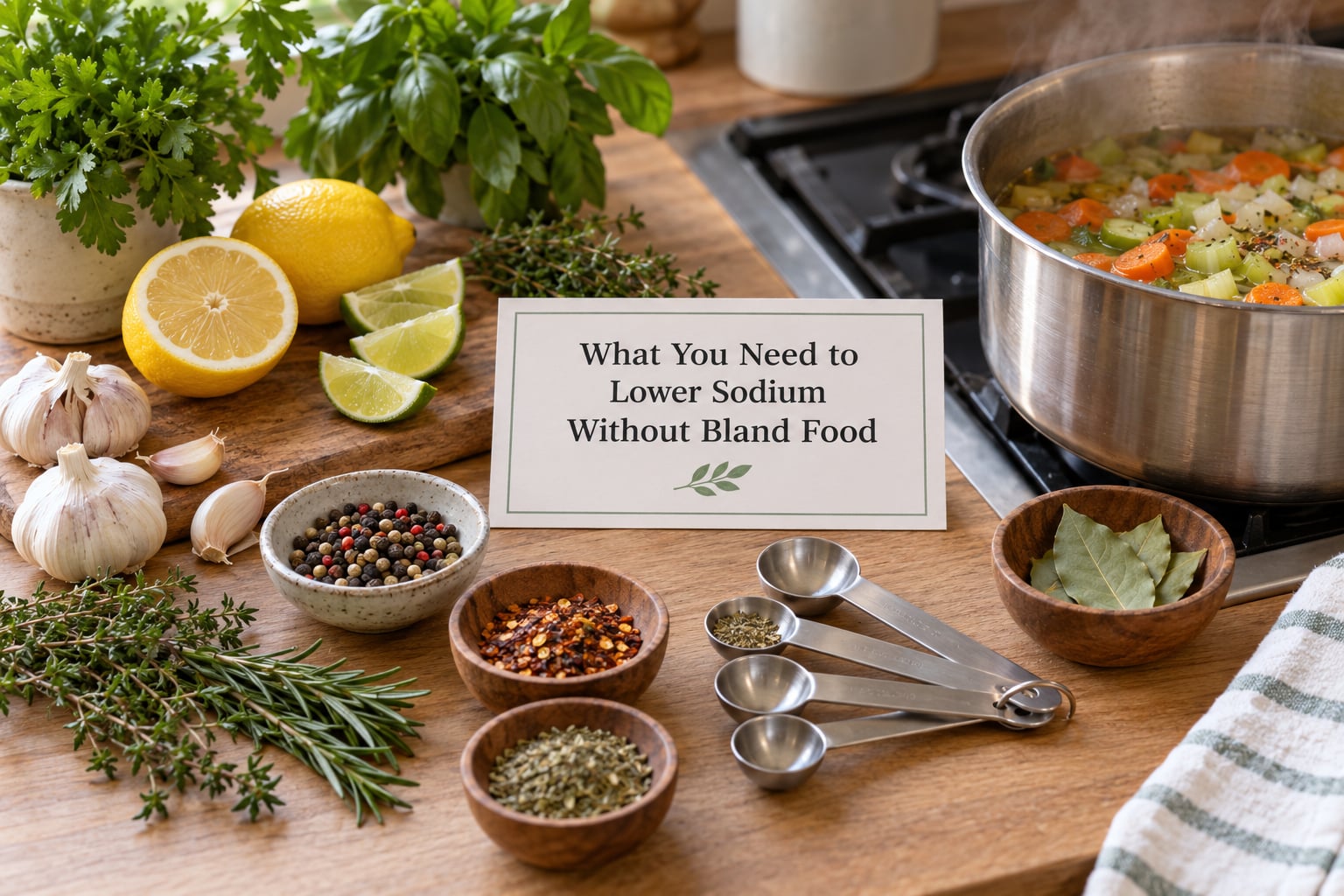
The tools are cheap and most are already in your kitchen. What changes is how you use them.
- A teaspoon measure you trust. Half a teaspoon of table salt is about 1,150 mg of sodium. Measuring instead of pouring is the fastest win of the whole plan.
- Two or three vinegars. Red wine vinegar, rice vinegar, apple cider vinegar and balsamic give you four different kinds of sharpness for the price of one bottle each.
- Citrus, both juice and zest. Lemon, lime and orange. The zest carries aromatic oils that juice does not.
- Aromatics. Garlic, onion, shallots, ginger, scallions and celery. Fresh beats powder for depth, and powder beats nothing.
- Umami boosters. Tomato paste, tomato paste roasted until dark, nutritional yeast, mushroom powder, low-sodium broth, miso in small amounts, and a modest amount of hard cheese used as a seasoning rather than a side.
- Fresh and dried herbs plus whole spices. Basil, oregano, thyme, rosemary, marjoram, cilantro, parsley, coriander, cumin, smoked paprika and chile flakes. A salt-free seasoning blend covers the gaps.
- Texture. Toasted nuts, toasted breadcrumbs, croutons, crispy onions, and a final drizzle of good olive oil.
- Lower-sodium building blocks. No-salt-added canned tomatoes and beans, low-sodium broth, unsalted nuts and seeds, plain yogurt, and fresh proteins you cook yourself.
Add a food label to that list. The label is the only tool that tells you the truth about a packaged item, and most sodium surprises hide on shelves people never think to check.
Step-by-Step: Cutting Sodium Without Losing Flavor
How to lower sodium in your diet without bland food: start where the sodium actually is
Before you change anything, find the sources. For most households they are the same four: restaurant or takeout meals, packaged sauces and dressings, processed meats, and canned or boxed mixes such as soup, macaroni and rice dishes.
Breakfast sneaks in too. Bread, cereal, English muffins and salted butter can add meaningful sodium before lunch, which is why the same toast and fruit feel different depending on what you spread on them.
How to tell it worked: after one week of reading labels on the five items you use most, you usually find one or two products worth swapping permanently. That is usually faster than adjusting your cooking at all.
Build flavor with aromatics instead of salt
Onions, garlic, ginger, scallions, peppers, mushrooms and tomatoes form the savory base that salt is usually standing in for. Cook them properly: soften onion over medium heat for a good 8 to 10 minutes until it turns translucent and sweet, and let garlic go in for the last minute so it does not turn bitter.
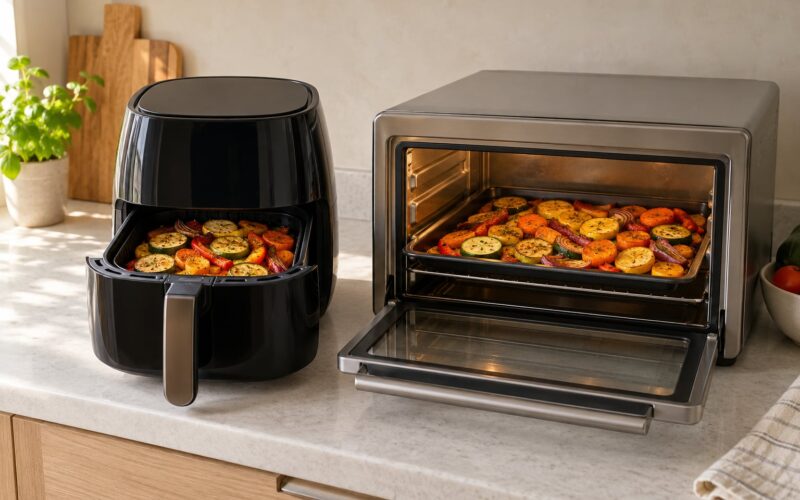
Roasting does the same work in the oven. A tray of halved tomatoes, sliced red onion and garlic cloves, drizzled with olive oil, concentrates in 30 minutes at 200 degrees Celsius and carries far more flavor than the same vegetables steamed.
Stir a spoonful of tomato paste into a pot of soup and let it cook for two minutes before you add liquid. It thickens the soup and adds a rounded savoriness that a pinch of salt cannot.
Finish dishes with acid, herbs and spices
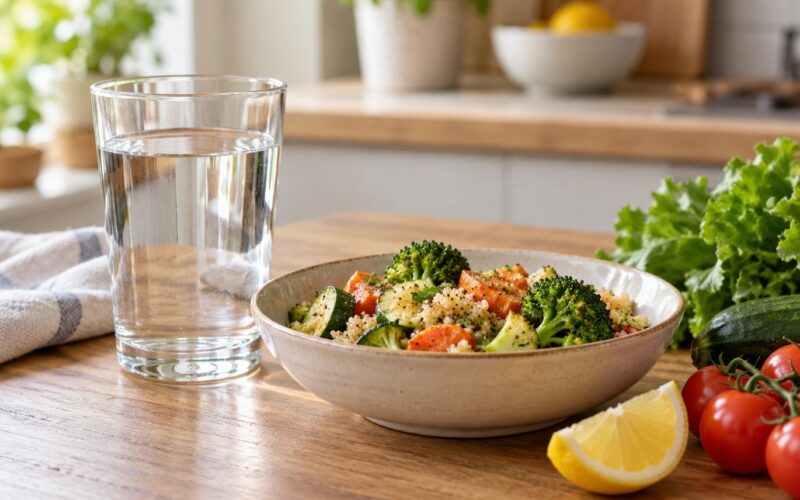
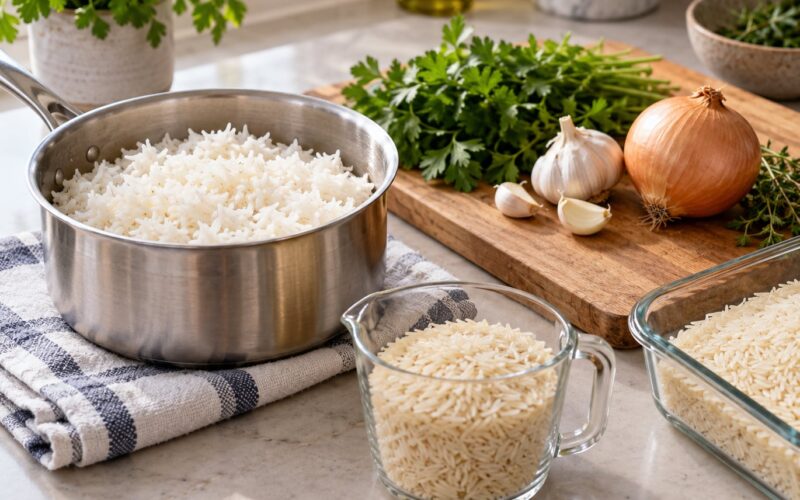
Acid is the most underused tool in home kitchens. A squeeze of lemon over roasted vegetables, a splash of red wine vinegar in a bean pot, or the juice of half a lemon stirred into rice at the end will sharpen a dish that feels flat.
Add vinegar early to a braise and it melts into the background. Add it at the end and it stays bright. That timing difference is the whole technique.
Herbs follow the same rule. Fresh herbs go on at the last moment so they keep their aroma. Dried herbs and whole spices need heat and time: toast cumin, coriander or fennel seeds in a dry pan for 30 seconds until fragrant, then grind them and add them to the dish. Smoking paprika and chile flakes build heat and depth, and heat reads as flavor even when salt is missing.
A quick gremolata of lemon zest, finely chopped garlic and parsley, scattered over a finished dish, does more for flavor than a whole extra teaspoon of salt.
Choose lower-sodium versions and smart swaps
Start with the label claims, because the words on the front of the package are regulated but weaker than they sound.
| Claim on the package | What it actually means |
|---|---|
| Low sodium | 140 mg or less per serving |
| Very low sodium | 30 mg or less per serving |
| Reduced sodium | At least 25 percent less than the original, which can still be a lot |
| No-salt-added | No salt was added, but sodium from other ingredients can still be high |
| Sodium-free | Less than 5 mg per serving |
Now the swaps that make the biggest difference day to day.
- Canned soup: homemade broth and vegetables, or no-salt-added canned broth with fresh additions.
- Deli meat: roast chicken, turkey breast you cook yourself, or smoked salmon.
- Bread and rolls: unsalted crackers, or bread you bake without salt.
- Breakfast cereal: plain oatmeal with fruit and nuts, or a low-sodium cereal.
- Salty snacks: unsalted nuts, air-popped popcorn with olive oil, roasted chickpeas.
- Salad dressing: olive oil, lemon juice and mustard whisked together.
- Salsa and condiments: no-salt-added versions, or homemade.
- Soy sauce and teriyaki: reduced-sodium versions used sparingly, or a soy-free glaze of garlic, ginger and rice vinegar.
- Canned vegetables and beans: fresh or frozen, or canned and rinsed.
- Cheese as a topping: less cheese, more flavor from toasted nuts or croutons.
- Barbecue sauce: homemade tomato-based sauce with vinegar, smoked paprika and molasses.
- Seasoned or brined meat: fresh, unenhanced meat. Poultry and meat injected with a sodium solution can carry several hundred milligrams before you cook it.
One more option deserves its own caution. Salt substitutes made from potassium chloride lower sodium and can help blood pressure, but they are not for everyone. People with kidney disease or reduced kidney function, and anyone taking ACE inhibitors, ARBs or potassium-sparing diuretics, should ask a clinician before using them.
Control portions of the sodium-heavy stuff
Portions are a lever, and they work without making a meal feel small. Keep meat to about 3 ounces and cheese to about 1 ounce per person, which most home cooks who cut sodium say made the biggest difference to how the meal felt.
Concentrated salt arrives through sauces and condiments. Thin them with lemon juice, broth or water, or serve them on the side so you control the amount. A homemade vinaigrette of olive oil, vinegar and mustard often uses a fraction of the sodium of a bottled dressing.
Thicker soups and stews let you use less liquid, and less liquid means less broth, which means less sodium. Reduce the pot by a third and finish with a splash of acid rather than a ladleful of broth.
How to tell it worked: if a meal feels unsatisfying at the end, it is almost never short of salt. It is short of fat, crunch or acid. Add one of those before you reach for the shaker.
Read labels and restaurant menus before you choose
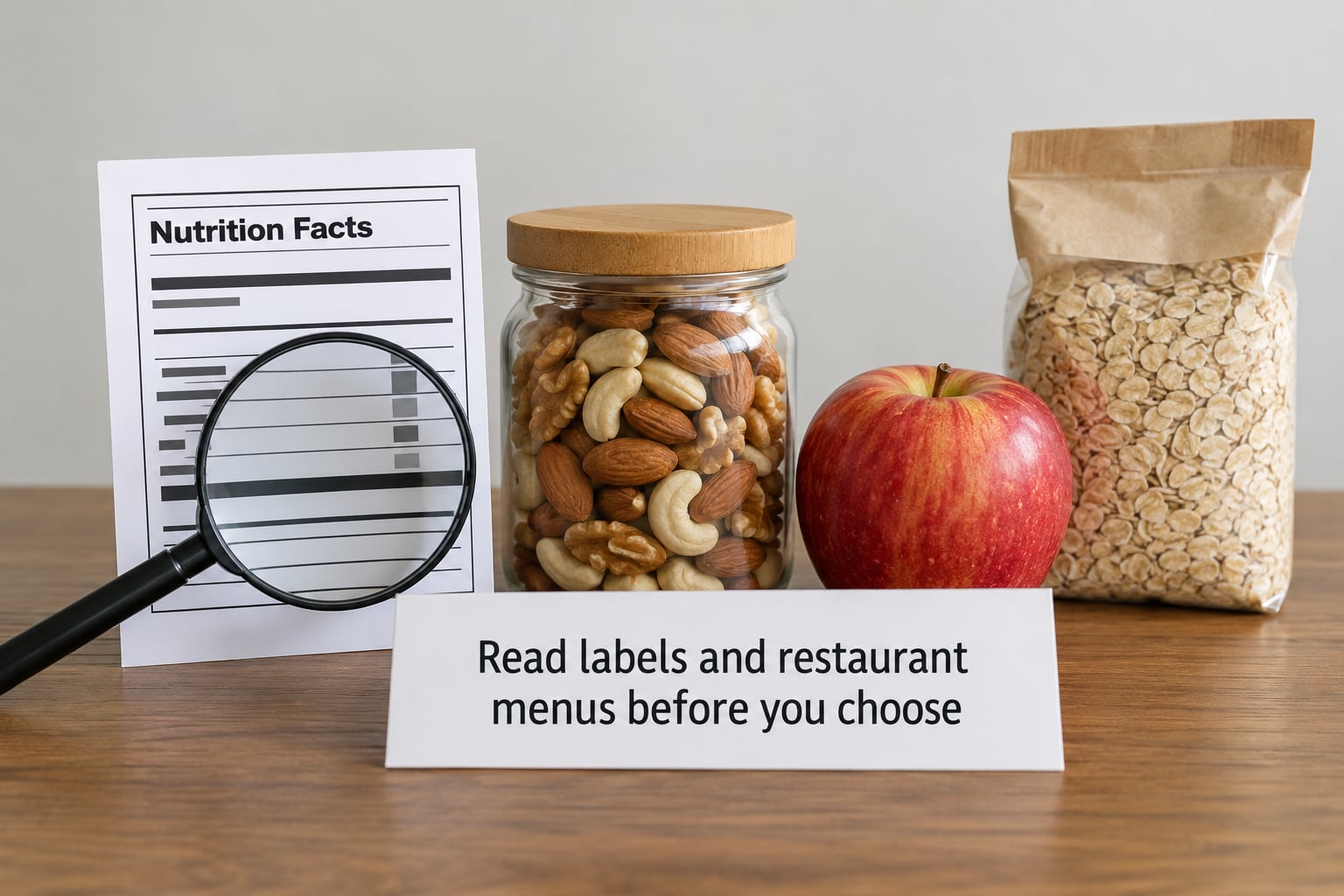
On the label, look for three things. First, the serving size, because a listed serving is often smaller than what ends up on the plate. Second, milligrams of sodium per serving. Third, percent Daily Value, where 5 percent or less is low and 20 percent or more is high.
Multiply by what you actually eat. Cereal at 180 mg per cup and two cups is 360 mg before you add milk.
Then learn the words that hide sodium. Broth, bouillon, gravy, brine, cured, smoked, pickled, seasoned, savory, natural flavor and seasoning blend all appear on foods you would not guess were salty. Marinades and tenderized meat are especially good at hiding it.
Rinsing canned goods is worth the thirty seconds. Drain and rinse canned beans or vegetables and a substantial share of the surface salt goes down with it.
Make your own salty-tasting staples
Homemade is how you control the number, and the formulas are simple enough to repeat.
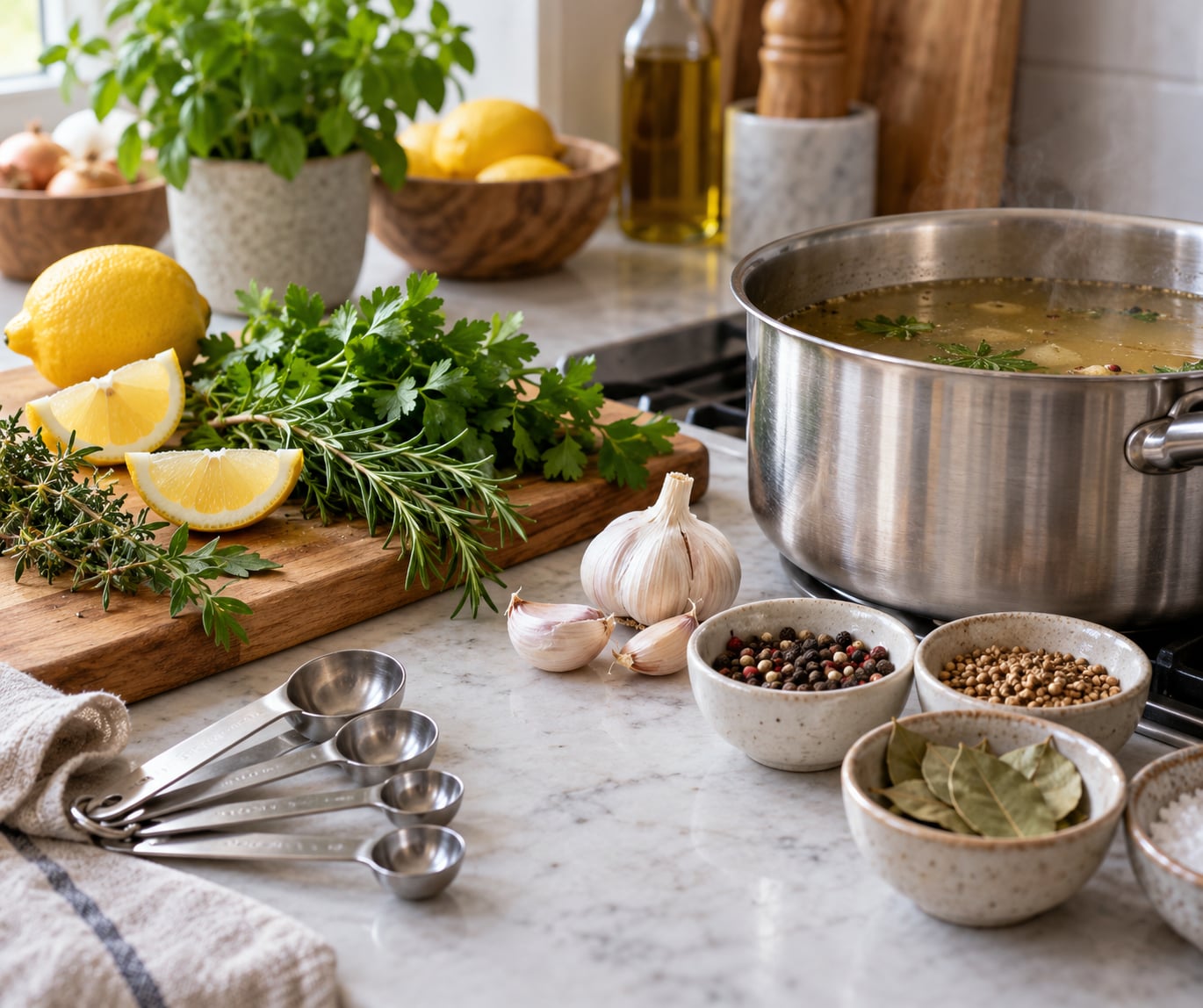
- Flavored broth: no-salt-added broth, onion halves, garlic, carrot, celery, a bay leaf, peppercorns and thyme, simmered 25 minutes and strained. It freezes well in single portions.
- Vinaigrette: 3 parts olive oil to 1 part vinegar, a half teaspoon of mustard, minced garlic and black pepper.
- Salsa: diced tomatoes, diced onion, jalapeno, cilantro, lime juice and a pinch of cumin, all chopped by hand.
- Popcorn: air-popped, then tossed with olive oil and a salt-free seasoning blend while hot so it sticks.
- Roasted nuts: unsalted nuts with oil and spices at 170 degrees Celsius, shaken twice, until dry and toasty.
- Sauce from scratch: garlic, tomato paste, vinegar, smoked paprika and a little honey simmered into a sauce you control entirely.
Eat out without giving up on sodium
Restaurant food is where most sodium comes from, and you can still steer it. Ask for the dish with no added salt, and be specific: “no salt in the preparation, please.”
Choose grilled, roasted or steamed over fried, breaded or battered. Skip anything described as brined, marinated, cured or smoked, and ask for sauces, dressings and salsa on the side so you control the amount.
Eat the vegetables or the plain side rather than a side that arrived salted. Split a dish and skip the soup, which is where a surprising share of the meal’s sodium sits.
How to tell it worked: on a mixed dish like soup or chili, skip the croutons and shredded cheese, which are pure sodium on top of an already salty base.
Common Mistakes That Make Low-Sodium Food Taste Bland
Almost every bland low-sodium meal is one of the same seven mistakes.
Salting early and often. Salt added at the start dissolves into the whole pot and gets spread thin. Save what you do add for the end of cooking or the moment it hits the plate, where the tongue tastes it most directly. Cooks who cut back on salt land on the same rule: hold the seasoning back until the dish is finished.
Reaching for salt when the problem is acid. If a dish tastes heavy but not salty, it usually needs lemon or vinegar, not a reduction. Add acid before you add anything else.
Skipping fat and texture. Olive oil, toasted nuts and a crunchy topping make food feel finished. A plate of steamed chicken with no sauce reads as diet food no matter how well it is seasoned.
Drying out the vegetables. Sauté or roast until browned rather than boiled until soft. Browned edges carry flavor; boiled ones carry none, and asking for salt is the natural reaction.
Using dried herbs in bulk as a shortcut. A teaspoon of dried oregano is a different thing from a teaspoon of fresh basil. Overusing a dried herb gives a dusty flavor that people compensate for with salt.
Changing everything at once. Cutting sodium overnight is the fastest route to quitting. Reduce one high-sodium favorite at a time over four weeks and the palate has time to adjust.
Ignoring the salty items that are not obviously salty. The shaker is visible. The bread, the cereal, the cheese and the bottle of dressing under the fridge are not.
Two habits keep this going. Cook one thing per week that uses your full arsenal, so seasoning becomes routine rather than an effort. And buy the same flavor-building basics every grocery run: vinegars, citrus, herbs, no-salt-added tomatoes and low-sodium broth.
When cooking meat or poultry, keep internal temperatures where food safety guidance puts them: 165 degrees Celsius for poultry, 160 for ground meat, 145 for whole cuts and fish.
Frequently Asked Questions
How much sodium per day is too much?
The FDA sets 2,300 mg of sodium a day as the daily limit for most adults, about one teaspoon of table salt. The American Heart Association recommends an ideal target of 1,500 mg, and the World Health Organization suggests under 5 grams of salt daily. Your personal target may be lower if you have high blood pressure, heart failure or kidney disease, so check with your clinician.
What is the difference between sodium and salt?
Salt is sodium chloride, and sodium makes up about 40 percent of it by weight. A teaspoon of table salt contains roughly 2,300 mg of sodium. Foods can contain sodium without added salt, because it occurs naturally in milk, tomatoes, beets and shellfish, and because manufacturers add it in many forms, including brine, cured and enhanced meats.
How long does it take to get used to eating less salt?
Most people notice a difference in the first few days and stop noticing it within two to four weeks. FDA testing found that a 10 to 15 percent reduction in salt is not detectable by most people, so cutting gradually rather than abruptly is what keeps food enjoyable. Expect cravings to fade over the same period as your taste receptors recalibrate.
Is low-sodium salt healthy?
Potassium-based salt substitutes lower sodium and can help blood pressure, and for most healthy adults they are safe in normal amounts. They are not safe for everyone. People with kidney disease or reduced kidney function, and those taking ACE inhibitors, ARBs or potassium-sparing diuretics, should ask a doctor or pharmacist before using them, because extra potassium can build up in the blood.
How do I go out to eat on a low-sodium diet?
Ask for no added salt in the preparation, choose grilled, roasted or steamed dishes, and skip anything brined, cured or marinated. Order sauces, dressings and salsa on the side so you control the amount. Skip the soup on mixed dishes, leave the croutons and shredded cheese off, and pick a vegetable or plain side. Splitting a dish halves the intake for no extra effort.
Do bananas flush out sodium, and what brings sodium levels down?
Bananas do not flush sodium. They are high in potassium, which supports fluid balance and heart rhythm, and pairing them with food is sensible as part of an overall pattern. Hydration does most of the work: regular water intake over the following day or two, paired with potassium-rich foods like beans, leafy greens, potatoes and yogurt, helps your body clear excess sodium through normal urine output.
Conclusion
Pick one high-sodium favorite this week and rebuild it: brown the aromatics first, finish with lemon or vinegar, add a toasted or crunchy element, and hold whatever salt you do use until the plate. Small changes, kept for a month, beat a total overhaul you abandon in a week. If you are managing a condition such as hypertension, heart failure or kidney disease, ask a doctor or registered dietitian for a target and a plan that fits you.