You season food without salt by rebuilding the layers salt was providing: acid for brightness, onion and garlic for aroma, herbs and spices for depth, and umami ingredients like mushrooms, tomato or miso for savory weight. Add fat and finish with a fresh ingredient, and the dish tastes seasoned rather than simply unsalted.
Most bland salt-free cooking fails for one reason. The cook removes the salt, adds nothing, and serves a pot of pale beige food. If you know how to season food without salt, the technique is a short sequence of decisions you repeat every time, not a hunt for one magic ingredient.
One rule I use in my own kitchen: the goal is not to make food taste salty without salt. The goal is to make it taste finished, with no single flavor shouting. That distinction is the whole game.
Table of Contents
- What You Need
- Step-by-Step: How to Season Food Without Salt
- Step 1: Choose a Flavor Direction
- Step 2: Add Aromatics and a Savory Base
- Step 3: Layer Acid, Fat and Aromatic Seasonings
- Step 4: Balance and Adjust
- Step 5: Match the Seasoning to the Food
- Common Mistakes
- Frequently Asked Questions
- Can lemon juice replace salt in cooking?
- What is the best herb and spice combination for food without salt?
- How do I season meat without adding salt?
- How can I make a savory dish taste flavorful without lots of sodium?
- Can I use miso or nutritional yeast to replace salt?
- How do I reduce the salt in an existing recipe?
- Conclusion
What You Need
You do not need a specialty shopping trip for this. Everything that matters is either already in a normal pantry or available at any grocery store.
- Acids: lemon or lime juice, red wine vinegar, rice vinegar, balsamic vinegar, apple cider vinegar, and citrus zest for oil-based dressings.
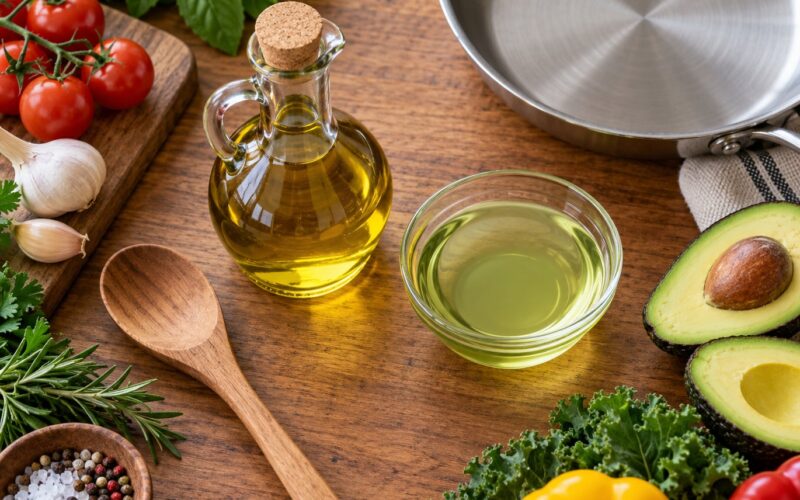
- Fats: olive oil, toasted sesame oil, butter, avocado oil, and nut oils for finishing.
- Aromatics: garlic, onion, shallot, ginger, scallion, celery, and any of those in dried powder form.
- Herbs and spices: dried oregano, basil, thyme, rosemary, paprika, cumin, coriander, smoked paprika, chili flakes, black pepper, and cinnamon.
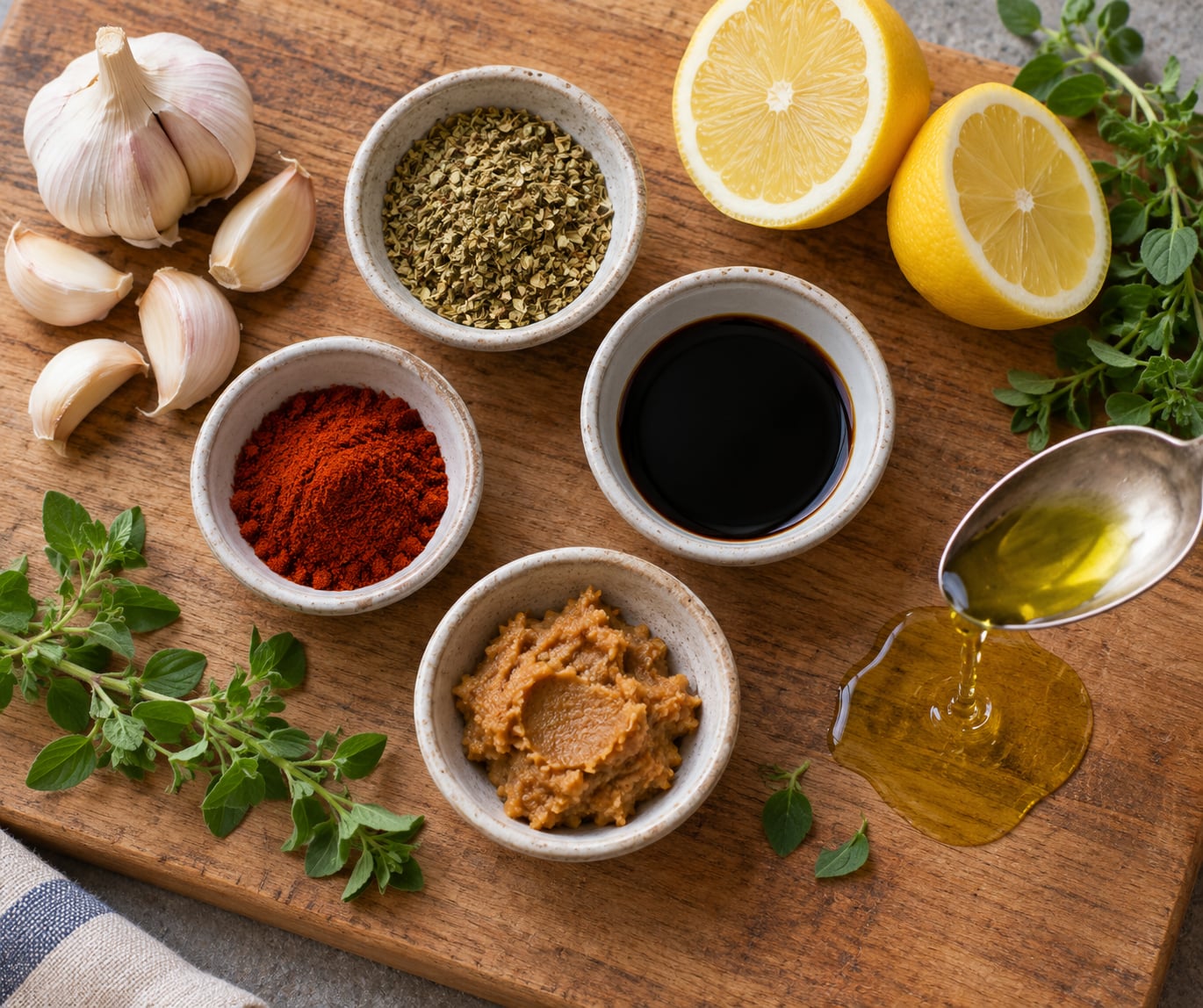
- Umami boosters: dried mushrooms, tomato paste, sun-dried tomatoes, nutritional yeast, miso, tamari, and dried kombu.
- Texture: toasted nuts, breadcrumbs, fried shallots, or a drizzle of finishing oil.
The only equipment worth having is a microplane or fine grater for zest, and a small jar where you keep a homemade blend you built yourself. That second item matters more than it sounds. Reaching for a generic jar each time means reaching for nothing in particular.
One conversion to memorize: dried herbs are roughly three times more potent than fresh, so use about a third of the volume. A tablespoon of fresh basil becomes about a teaspoon of dried.
Step-by-Step: How to Season Food Without Salt
The process runs in five steps, and the order genuinely matters. Aromatics need heat and time to develop. Acid added early in a long braise loses its edge and turns dull. Fresh herbs added to a hot pan wilt into nothing. Work front to back and taste at every stage.
Step 1: Choose a Flavor Direction
Decide what the dish should feel like before you open the cupboard. Six directions cover nearly everything you will ever cook.
- Bright and clean: lemon juice with fresh parsley, or rice vinegar with fresh dill.
- Earthy and deep: cumin with coriander, or dried mushrooms with thyme.
- Warm and rounded: cinnamon with ginger, or paprika with sweet roasted onion.
- Spicy and smoky: smoked paprika with chili flakes, or chipotle with cumin.
- Savory and meaty: miso with garlic, or nutritional yeast with black pepper.
- Rich and nutty: toasted sesame oil with rice vinegar, or browned butter with lemon.
Pick one, maybe two. Six directions in a single pot is how you get mud instead of flavor.
Step 2: Add Aromatics and a Savory Base
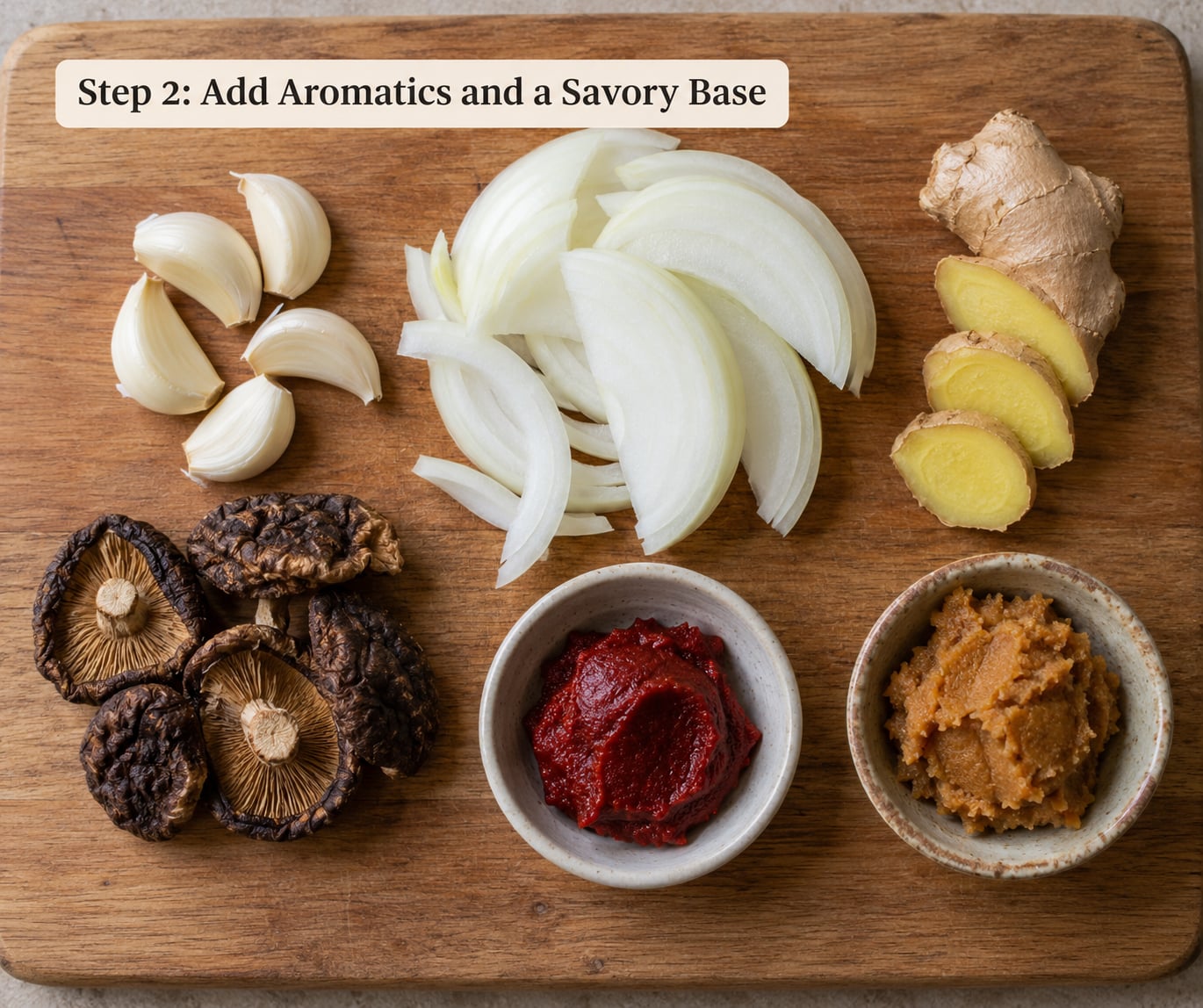
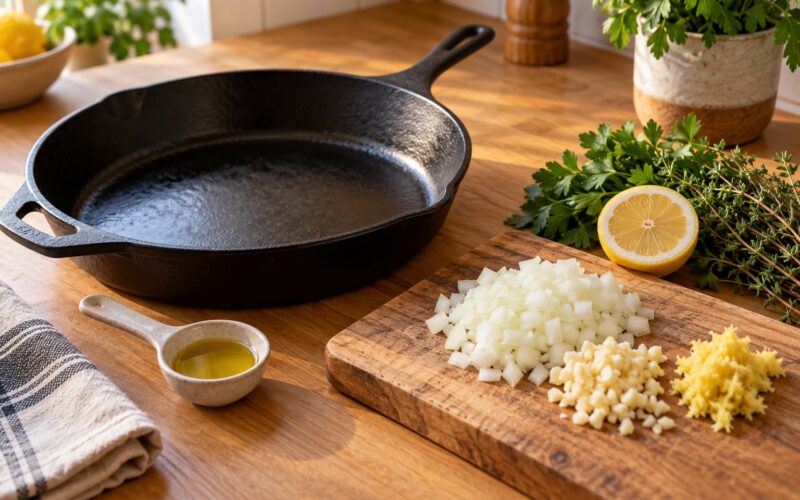
Aromatics are where salt-free cooking earns its depth. Onion, garlic, shallot, ginger and celery contain sulfur compounds and volatile oils that taste loud and savory once they hit hot fat, and none of them contains meaningful sodium.
Give them real time. Two minutes of onion in oil until translucent and sweet, three minutes of garlic until fragrant and pale gold, not brown. That is the cheapest flavor you will ever buy.
Then add a savory base that mimics the body of salt. Tomato paste cooked into the aromatics for a minute darkens sauces and soups. A spoonful of miso dissolved into broth gives a rounded savoriness that reads as “cooked for hours.” Dried porcini or shiitake rehydrated in hot water and added with their strained liquid bring genuine meaty depth, and that soaking liquid is where the flavor concentrates.
Nutritional yeast works differently. It is not a broth replacement, but a pinch stirred into a sauce, dusted over pasta or folded into a grain dish adds a nutty, faintly cheesy savoriness that makes the whole plate feel more finished.
Step 3: Layer Acid, Fat and Aromatic Seasonings
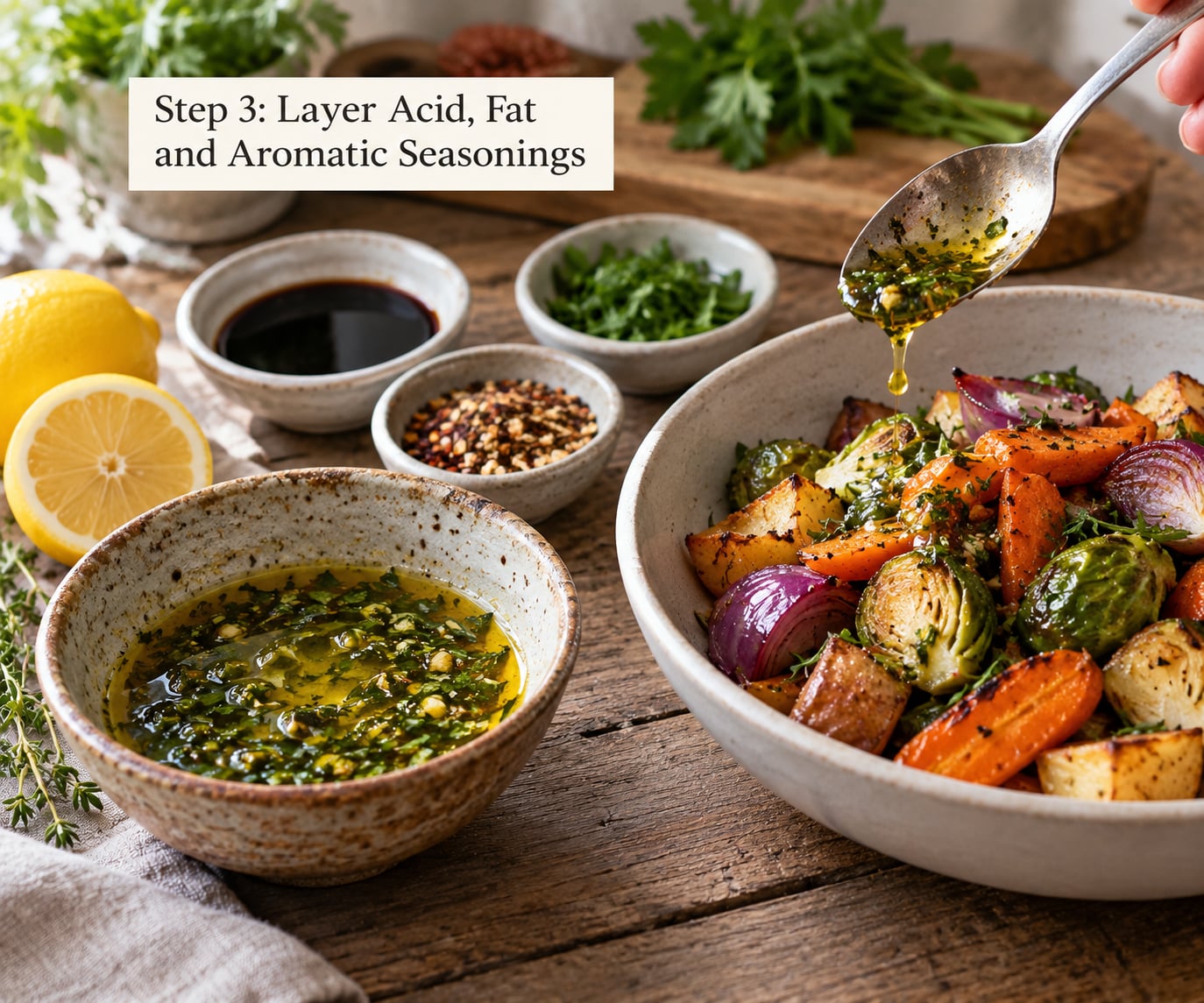
This is the core of how to season food without salt: one sharp component, one fat, one herb or spice, one savory element, adjusted to your taste. A quick starting ratio for a serving for one is about a teaspoon of acid, half a tablespoon of good oil, a quarter teaspoon of spice, and a small spoonful of something savory.
- Sharp: lemon or lime juice, a vinegar, or a little pickle brine.
- Fat: olive oil to carry the aroma, toasted sesame oil for nuttiness, butter for richness.
- Aromatic seasoning: smoked paprika, cumin, curry powder, or a blend you made yourself.
- Savory element: miso, tamari, tomato paste, nutritional yeast, umami powder, or grated hard cheese.
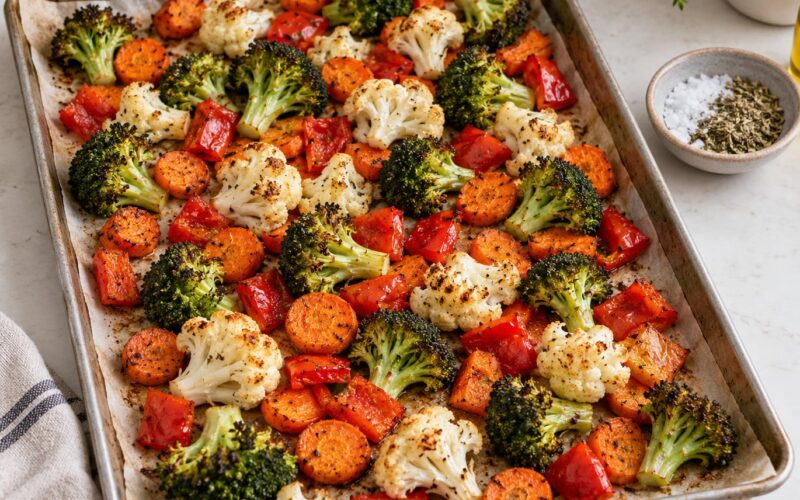
For a fast weeknight chicken breast: oil the pan, sear it, add garlic and smoked paprika for the last thirty seconds, then finish off the heat with lemon juice and a spoon of the pan juices. For roasted vegetables, toss with olive oil, cumin and garlic powder before they go in the oven, then add lemon and fresh herbs after roasting, never before.
Two warnings matter here. Acid above roughly two tablespoons per serving starts tasting sour rather than bright, and it flattens a dish instead of lifting it. And the potent seasonings go in small: a quarter teaspoon of cinnamon or chipotle can overwhelm everything else on the plate within one spoonful.
Step 4: Balance and Adjust
Taste at every stage, including after a minute off the heat, because flavors settle as food cools. Then diagnose before you reach for anything.
If the dish tastes flat and dull, it is usually missing acid. Add a few drops of lemon or a splash of vinegar, stir, and taste again before adding more. If it tastes thin and watery, that is a fat problem, so finish with a drizzle of good oil rather than more liquid.
If it tastes sharp, you cannot fix sharp with acid. Add something with body: a spoon of nutritional yeast, more aromatics, a bit of fat, or a larger portion of the base. If it tastes bitter, add fat and a little acid, which both soften bitterness. If it tastes sweet, a little acid is the fastest correction.
Trust your palate over the recipe. The quantities here are starting points, not rules.
Step 5: Match the Seasoning to the Food
Different foods want different levers. Meat and fish respond to heat and smoke, vegetables to acid and fat, grains to savory depth, and eggs need almost nothing more than acid and fat.
| Food | Salt-free seasoning that works | When to add it |
|---|---|---|
| Chicken and turkey | Smoked paprika, garlic, thyme, lemon, olive oil | Rub paprika and garlic before roasting; lemon off the heat |
| Beef and lamb | Rosemary, cumin, black pepper, Dijon mustard, balsamic | Early, and rest the meat in the juices |
| Fish and shellfish | Lemon, dill, fresh parsley, capers, white miso | All of it at the end of cooking or after |
| Roasted vegetables | Cumin, coriander, garlic powder, lemon, toasted nuts | Spices before roasting, lemon and nuts after |
| Green salads | Vinegar, olive oil, mustard, garlic, oregano | Dress just before serving |
| Soups and stews | Vinegar at the end, dried mushrooms, tomato paste, bay leaf, miso | Base early, acid last |
| Rice and grains | Toasted sesame oil, nutritional yeast, scallion, rice vinegar | Fold in after cooking |
| Eggs and breakfast | Chili flakes, za’atar, miso butter, hot sauce | At the table |
| Beans and lentils | Cumin, smoked paprika, tomato paste, vinegar | Simmer with aromatics, vinegar at the end |
| Pasta and sauces | Garlic, chili flakes, anchovy or miso, lemon zest, basil | Sauce early, basil and zest after |
| Roasts and grilled meats | Dry rub with cumin, coriander, turmeric, paprika | Several hours ahead for flavor to penetrate |
| Snacks and dips | Lemon, sumac, smoked paprika, toasted sesame | Right up to serving |
| Roasted nuts and popcorn | Nutritional yeast, smoked paprika, vinegar | While warm so it sticks |
| Baked goods | Vanilla, almond extract, citrus zest, cardamom | In the batter |
None of this changes how you cook the food. When you season chicken without salt, it still needs to reach 165 degrees Fahrenheit internally, ground meat 160 degrees, and fish or whole cuts 145 degrees. Seasoning is the last step, safety is the first.
Common Mistakes
Using only herbs. Fresh parsley on a plain pot of beans tastes like nothing much. Pair every herb with acid or fat and it comes alive.
Adding every strong flavor at once. Vinegar, chili, garlic, miso and smoked paprika in the same pot produce noise. Two or three deliberate flavors beat seven loud ones.
Treating vinegar as a universal salt replacement. Vinegar is acid, not salt. It brightens and sharpens, and it cannot make a dish taste savory. Use it alongside umami, never instead of it.
Overusing dried spices. Dried compounds keep building in intensity for the length of the dish and often turn bitter. Add ground spices later than you think and in smaller amounts than feel reasonable.
Skipping fat. Aromatics and fat-soluble flavors need oil to reach your tongue. A dash of olive oil at the end sharpens herbs and spices more than doubling either.
Not tasting. This is the biggest one. Add, stir, taste, repeat. A dish seasoned once and served without a second taste is a dish you guessed at.
Using low-fat broth with nothing else. Removing salt from stock without adding depth leaves soup thin and watery. Fix it with dried mushrooms, tomato paste, miso, aromatics and a splash of vinegar.
Adding delicate finishing ingredients too early. Fresh herbs, citrus juice and toasted oils lose their aroma over long cooking. Hold them for the last minute.
Making the same blend every time. Garlic and pepper on repeat is how low-sodium cooking becomes a chore. Build two or three simple blends and rotate them, or change one element per week.
Frequently Asked Questions
Can lemon juice replace salt in cooking?
Lemon juice is the strongest single swap for brightness, but it replaces saltiness rather than recreating it. A squeeze over fish, vegetables or a soup cuts through fat and lifts a dull dish almost instantly. Use it at the end of cooking, since heat dulls its aroma, and start with a teaspoon per serving before adding more.
What is the best herb and spice combination for food without salt?
Smoked paprika with garlic powder, black pepper and dried oregano is the most versatile all-purpose blend for roasted vegetables, chicken, potatoes and soups. For a brighter direction, cumin with coriander works on beans, rice and fish. For warmth, cinnamon with ginger suits stews and squash. Pick one pair per dish and add fat and acid alongside.
How do I season meat without adding salt?
Dry brines, no-salt seasoning and finishing sauces do most of the work. Rub meat with garlic, paprika and herbs hours ahead, then sear hard to build a browned crust. Finish off the heat with a splash of vinegar or lemon and a spoon of pan juices, which concentrate everything on the surface. Cook poultry to 165 degrees Fahrenheit internally.
How can I make a savory dish taste flavorful without lots of sodium?
Build depth in layers rather than looking for a substitute. Cook aromatics in oil, add a savory base such as tomato paste, miso or dried mushrooms, and finish with acid. Check the sodium on every label, because broth, canned beans, sauces and deli meat add up fast across one meal, and low-fat stock on its own leaves soup flat.
Can I use miso or nutritional yeast to replace salt?
Both add savory depth without much sodium, and they work in different ways. Miso is salty, fermented and dissolves into sauces, soups and glazes, so a modest amount carries a long way. Nutritional yeast is milder and nuttier, useful on pasta, grains and eggs, but it cannot thicken or enrich a broth the way miso does.
How do I reduce the salt in an existing recipe?
Cut the added salt in half first, then cook and taste before removing any more. Add vinegar or lemon at the end of cooking to restore brightness, and build depth with aromatics, tomato paste, dried mushrooms or miso. Remember that soy sauce, bouillon, cured meat and canned ingredients bring their own sodium, so read those labels too.
Conclusion
Start with the first action tonight: pick one flavor direction, cook your aromatics long enough to actually caramelize, add a savory base, and balance it with acid, fat and herbs or spices. Taste it twice before it leaves the stove.
What works long-term is not a supposed salt replacement. It is one combination you like well enough to repeat, plus a second one for variety. Build that in 2026, keep the jar next to the stove, and next time you cook you will know how to season food without salt by feel rather than by guesswork.