How to reduce bloating after eating? Take a 10 to 15 minute walk after the meal, stay upright instead of lying down, and sip something warm slowly. Those three moves help gas move through the digestive tract instead of sitting there. The rest is habit work: eating slower, smaller portions, and finding the two or three foods your gut reacts to rather than cutting everything at once.
I spent years treating a bloated stomach as something to push through at a desk, and the advice I found online was mostly all-or-nothing. The routines below are gentler than that. They are general information, current as of 2026, not a diagnosis or a treatment plan — if bloating is severe, constant, or comes with other symptoms, a doctor or registered dietitian is the right place to start.
Table of Contents
- What You Need
- Step-by-Step: How to Reduce Bloating After Eating in Four Steps
- 1. Slow Down and Change How You Eat to Reduce Bloating After Eating
- 2. Adjust Common Bloating Triggers One at a Time
- 3. Use Simple Food-Based Strategies After Meals
- 4. Track Symptoms and Make a Personal Prevention Plan
- Common Mistakes
- Frequently Asked Questions
- How long does bloating after eating usually last?
- What is the fastest way to reduce bloating after a meal?
- Does drinking more water help with bloating after eating?
- Is walking good for reducing post-meal bloating?
- Which foods should I avoid if I often feel bloated?
- When is bloating after eating a reason to see a doctor?
- Conclusion
What You Need
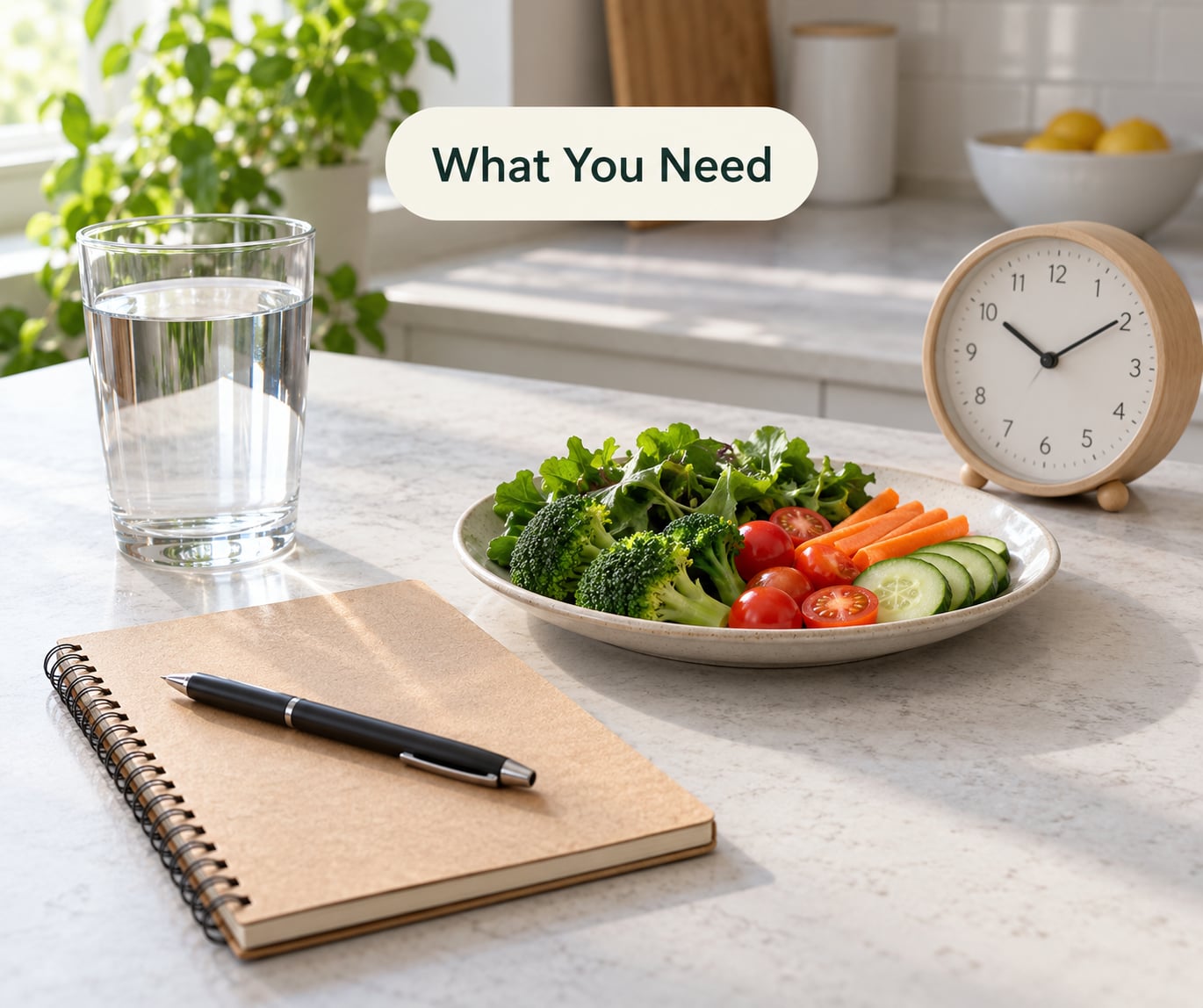
You do not need equipment, gadgets or a special diet to do this. What helps is having four things within reach.
- A notebook or your phone’s notes app. Three lines per meal is enough: what you ate, how fast, and whether bloating followed.
- Water you can sip. Room temperature or warm works better than iced, and sipping beats gulping.
- Unhurried time for at least one meal. Ten minutes slower at dinner is easier than you think and often where the biggest win sits.
- Access to professional advice if bloating is severe, keeps coming back, or shows up alongside pain, vomiting, blood in the stool, unexplained weight loss, or waking you at night.
That last item is not a formality. Recurrent bloating is one of the early ways conditions like IBS, lactose intolerance, coeliac disease or small intestinal bacterial overgrowth first announce themselves, and a diary is what gives a clinician something to work with.
Step-by-Step: How to Reduce Bloating After Eating in Four Steps
1. Slow Down and Change How You Eat to Reduce Bloating After Eating
Fast eating is the most underrated cause of post-meal bloating, and it is the cheapest one to fix. Every mouthful you take too quickly arrives with air, and swallowed air has to leave eventually — usually by belching or pushing gas through your gut later.
Smaller portions do most of the work. If a heavy dinner reliably leaves you feeling stuffed, cutting it by a quarter changes the outcome the same night. Chewing thoroughly gives your stomach time to signal fullness before you overeat. Drinking through a straw, chewing gum and fizzy drinks all add air on the way down, so those three are worth testing for a week.
How to tell it is working: the gap between finishing dinner and noticing pressure gets longer. Most people see a change within a meal or two of eating more slowly, and within two weeks the slower pace stops feeling like effort.
2. Adjust Common Bloating Triggers One at a Time
The trigger lists online are long enough to frighten anyone into a bland diet. That approach backfires, because it leaves you with less to work with and often tells you nothing about which food was the problem.
Common culprits fall into a handful of groups: pulses and lentils, onions and garlic, wheat and bread, cruciferous vegetables such as broccoli and cabbage, dairy, fizzy drinks, and sugar alcohols in sugar-free gum and diet products. What matters is your tolerance, not the list.
Remove one category at a time for seven to fourteen days, keep eating normally otherwise, then reintroduce it and watch what happens over the next two hours. People working through their own triggers often find it is onions, dairy or bread for them, while someone else sails through all three.
Keep the change small enough to keep. People who succeed with this tend to start with two adjustments — portions at one meal, no fizzy drinks for a week — and add more only once the first one has stuck for several days.
How to tell it is working: your diary fills up with predictable patterns. When the same two meals keep showing up in your bloated days, you have found your trigger without guessing.
3. Use Simple Food-Based Strategies After Meals
Once the food is in, you are working with gas rather than preventing it, and movement is the single best tool. A 10 to 15 minute walk at a comfortable pace is enough; it does not need to be a workout, and hard training straight after a big meal usually makes the discomfort worse rather than better.
Staying upright helps. Lying down within an hour or two of eating gives gravity nothing to work with, which is why evening bloating lingers into the night.
Sip warm fluid slowly. Water keeps stool soft, and constipation is a common reason gas feels stuck. Peppermint, ginger, chamomile and fennel are the teas people reach for most often for cramping, and a warm compress on the abdomen is genuinely useful for relaxing a tight gut. None of this is a cure, and none of it should stand in for individual medical advice.
How to tell it is working: pressure eases while you are still upright rather than an hour later, and you pass gas comfortably during the walk instead of holding it in all afternoon.
4. Track Symptoms and Make a Personal Prevention Plan
This is the step that turns guessing into knowing, and it is where most people give up because they log too much. Keep it small: five columns, two weeks.
- What you ate, with the ingredients that usually cause arguments — beans, onion, bread, dairy, fizzy drinks.
- How fast and how large. Minutes at the table and whether the plate was finished in a rush.
- What happened, on a 0 to 3 scale from nothing to very uncomfortable.
- When it started. Twenty minutes, two hours, or bedtime.
- What you did. Walk, tea, lying down, nothing.
Two weeks is long enough to see a repeat pattern and short enough to stay honest. When the diary shows the same trigger three times, you have a reasonable basis for one focused experiment rather than a full diet overhaul.
If after a month of steady effort the bloating is still there, or it shows up after very small meals with no obvious trigger, take the diary to a doctor or registered dietitian. People in patient communities describe being told to manage it themselves with no further investigation, so it is fair to ask what else could be considered.
How to tell it is working: you can name your top two triggers and your fastest relief, in that order, without hesitating.
Common Mistakes
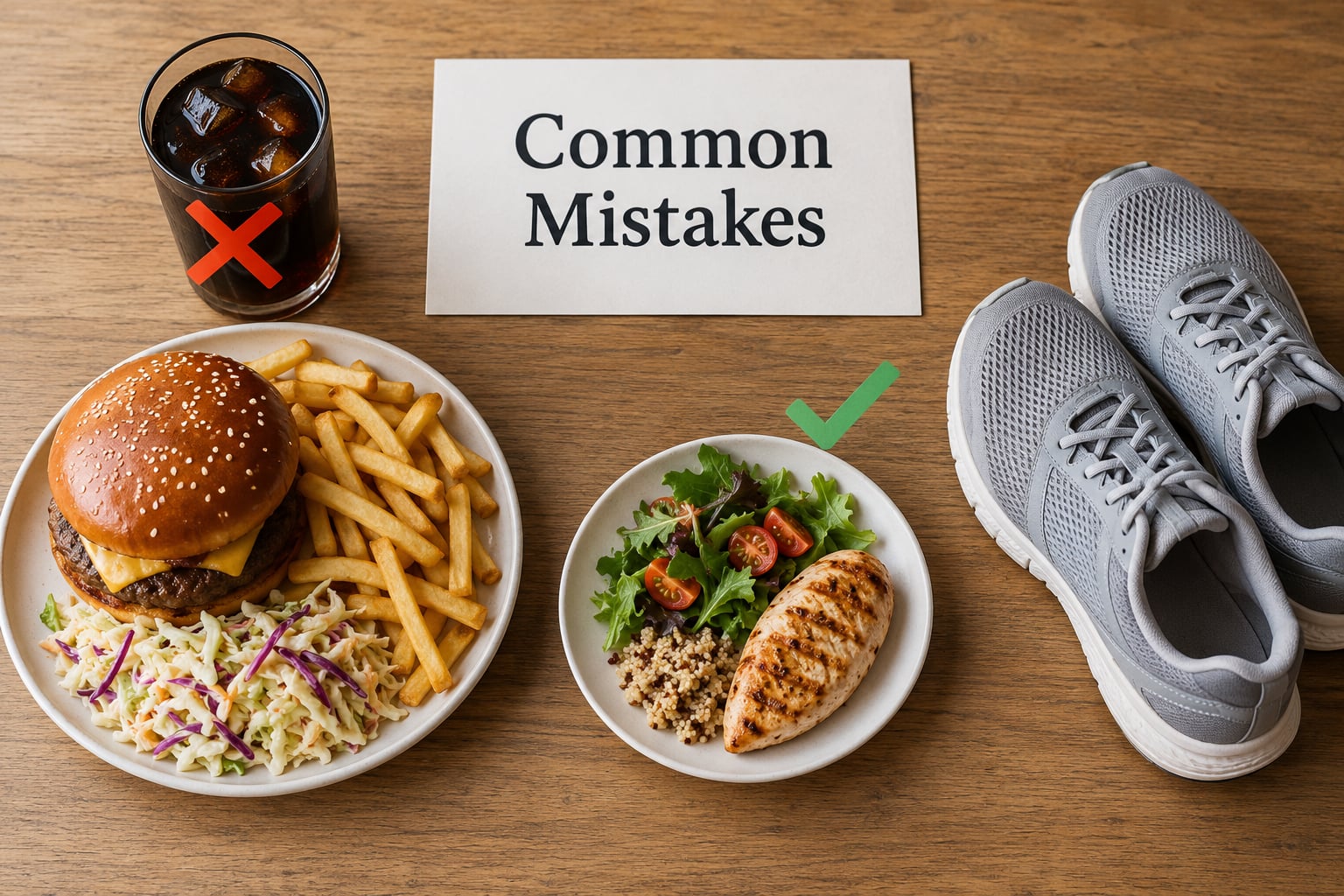
Almost every approach that fails does so in one of five ways.
Judging yourself by one bad meal. A single uncomfortable dinner proves nothing, because portion size, speed and stress all change day to day. Fix: judge a habit over at least a week, using a diary rather than memory.
Cutting ten foods at once. You feel better for a fortnight and learn nothing about which change worked. Fix: remove one category at a time, hold the rest of your diet steady, then reintroduce.
Buying supplements before changing habits. Probiotic products vary widely in the strains and doses they actually contain, and many people spend months on bottles that change nothing. Fix: sort eating speed, portions and triggers first. Bring the product to a pharmacist if you want to try it — simethicone works on gas bubbles, lactase helps only if you are short of it, and neither is a treatment for an underlying condition.
Exercising hard immediately after eating. Intense effort adds jarring movement to an already full stomach. Fix: a gentle walk straight after, proper training later.
Ignoring the warning signs. Bloating that arrives within minutes of a small meal, wakes you at night, or comes with pain, vomiting, a change in bowel habit, blood in the stool or unexplained weight loss is not a lifestyle problem to be dialled down. Fix: book the appointment and bring your diary.
Two more prevention habits pay off well. Eat your largest meal earlier in the day rather than two hours before bed, and go easy on salty food in the evening, since salt-driven fluid retention looks like bloating but needs the opposite fix — less salt, normal water — rather than less food.
Frequently Asked Questions
How long does bloating after eating usually last?
Gas-related bloating usually builds over 30 to 90 minutes, peaks, then eases within a few hours as the gas moves on. Bloat that follows a large or salty meal can linger overnight and show up at the start of the next morning. If the same fullness appears after very small meals, lasts for days, or arrives with pain, it deserves a doctor’s attention rather than another week of waiting.
What is the fastest way to reduce bloating after a meal?
A 10 to 15 minute brisk walk is the fastest thing most people can do, because gentle movement helps move gas along the digestive tract. Staying upright rather than lying down, a warm compress on the abdomen, and a slow sip of warm water or herbal tea all help alongside it. None of these address an underlying condition, and none should replace individual medical advice.
Does drinking more water help with bloating after eating?
Water helps more than people expect, though not by flushing gas out of the gut. It keeps stool soft, and constipation is a common reason gas feels trapped. Sip steadily across the day rather than gulping a large glass at once, since that can leave you feeling uncomfortably full. Salty food is a separate issue that needs the opposite response: less salt, normal water.
Is walking good for reducing post-meal bloating?
Yes. Walking stimulates the muscles of the gut and is the most commonly reported free relief in patient communities. Ten to fifteen minutes after eating is enough for most people, and it does not need to be fast or strenuous. Gentle core stretching, a few back bends or a short yoga flow can help when walking alone is not enough. Hard training right after a large meal tends to make things worse.
Which foods should I avoid if I often feel bloated?
The usual suspects are beans and lentils, onions and garlic, wheat and bread, cruciferous vegetables, dairy, fizzy drinks and sugar alcohols. None of them are off-limits for everyone, and tolerance varies widely between people. Remove one category at a time for a week or two while eating normally otherwise, then reintroduce it and watch what happens over the following two hours.
When is bloating after eating a reason to see a doctor?
Book an appointment when bloating follows nearly every meal, arrives within minutes of a small portion, or comes with pain, vomiting, ongoing constipation or diarrhoea, difficulty swallowing, blood in the stool, unexplained weight loss, or night-time bloating that wakes you. These patterns can point to IBS, lactose intolerance, coeliac disease or small intestinal bacterial overgrowth. A doctor or registered dietitian can help work out which applies to you.
Conclusion
If you only try one thing from this guide on how to reduce bloating after eating, make it the 10 to 15 minute walk afterwards. Beyond that: eat one meal a day more slowly with smaller portions, adjust one likely trigger rather than five, and keep a two-week diary. That combination is free, and it gives you a personal answer instead of a generic list.
Persistent or severe bloating, especially with pain, vomiting, blood in the stool, unexplained weight loss or night-time symptoms, is worth discussing with a healthcare professional. Bring the diary — it turns a vague complaint into something a clinician can actually work with.