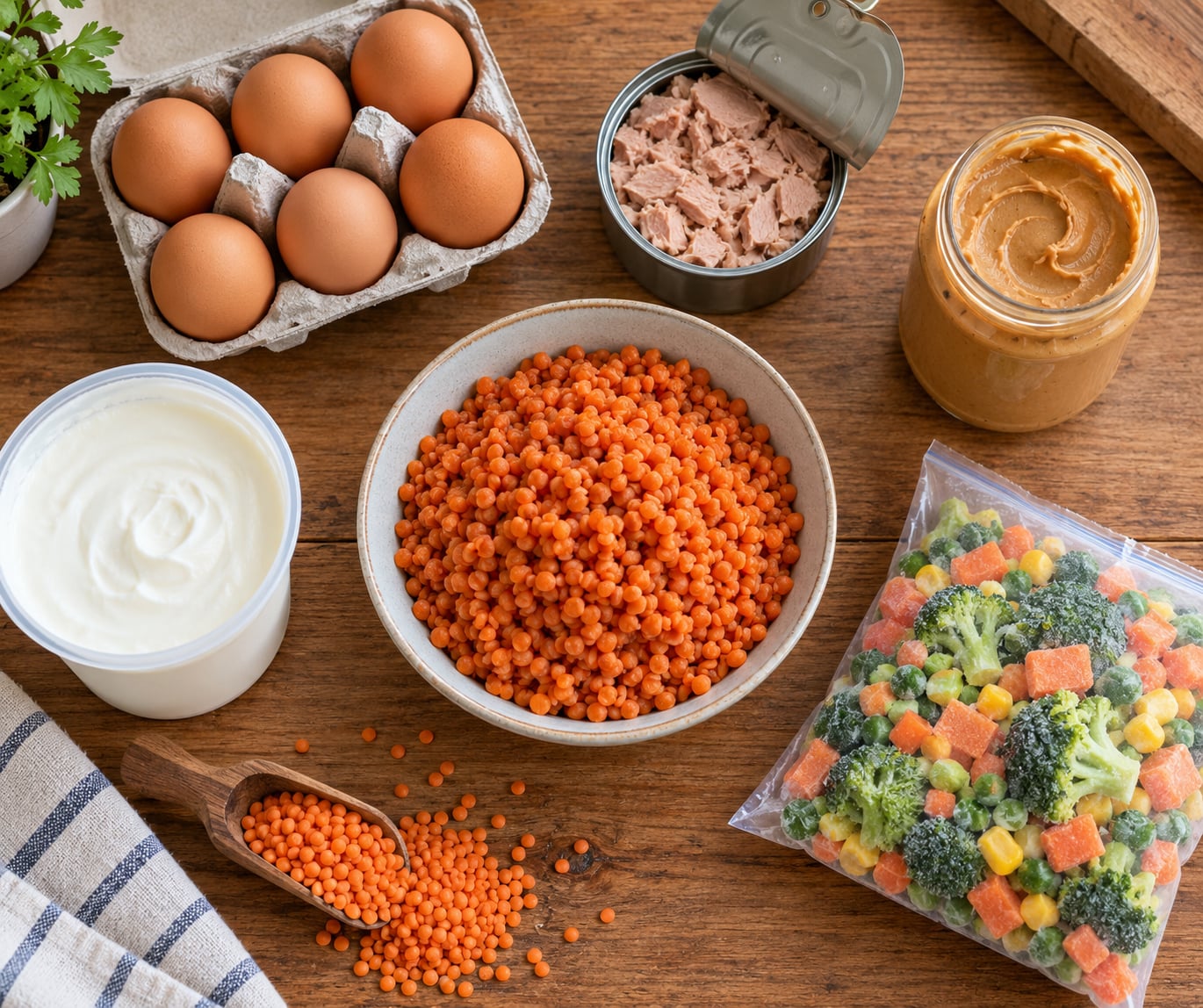
Cheap high protein foods for a tight budget come down to one number: how many grams of protein you get for what you pay. Dried lentils, canned beans, eggs, milk and peanut butter regularly beat pre-cut meat on cost per 30 grams of protein, and the gap widens when you cook from scratch. Here is what a realistic serving delivers for each of twelve budget staples, and how to use them without turning every meal into the same bowl.
Costs here are broad categories rather than fixed prices. What counts as cheap shifts with the season, the region and the week, so re-check the shelf tag where you actually shop. Last checked against typical US shelf ranges for 2026.
Table of Contents
- Cheap High Protein Foods for a Tight Budget at a Glance
- 1. Eggs
- How to use eggs across a small weekly food budget
- 2. Canned Tuna
- 3. Canned Salmon
- 4. Plain Greek Yogurt
- 5. Milk or Fortified Plant Milk
- 6. Canned Beans
- 7. Lentils and Other Dry Legumes
- 8. Chicken
- 9. Lean Ground Beef or Turkey
- 10. Peanut Butter
- 11. Frozen Vegetables
- 12. Whole Grains and Oats
- Frequently Asked Questions
- What is the cheapest high-protein food?
- Are eggs a cheap source of protein?
- How can I eat more protein without spending more money?
- Is canned tuna healthy if I eat it several times a week?
- How much protein do I need in a day?
- Which high-protein foods keep the longest without refrigeration?
- Conclusion
Cheap High Protein Foods for a Tight Budget at a Glance
| Food | Protein per practical serving | Cost per 30 g of protein | Best purchase format | Budget meals it supports |
|---|---|---|---|---|
| Eggs | About 6 g per large egg | Lowest tier | Shell eggs by the dozen | Oats, soups, salads, vegetable sides |
| Canned tuna | About 25-30 g per drained can | Low | Cans in water, standard or light | Bean bowls, crackers, wraps, salads |
| Canned salmon | About 17-19 g per half can | Low to moderate | Cans in water, drained weight checked | Rice bowls, salads, patties |
| Plain Greek yogurt | About 15-17 g per 170 g cup | Low | Large tubs | Breakfast base, snack with oats and fruit |
| Milk or fortified soy milk | About 7-9 g per cup | Low | Largest container, unsweetened | Breakfast cereal, soups, smoothies |
| Canned beans | About 7-8 g per half cup | Lowest tier | Cans, or dry if you own a pot | Rice and beans, tacos, pasta, chili |
| Dried lentils and split peas | About 13 g per quarter cup dry | Lowest tier | Dry bags in bulk | Soup, dal, grain bowls |
| Chicken | About 26 g per 3 oz cooked | Moderate | Whole birds, family-size frozen packs | Roast night plus several more meals |
| Lean ground beef or turkey | About 22-25 g per 3 oz cooked | Moderate | Family packs, compare label fat | Tacos, pasta, stuffed peppers, bowls |
| Peanut butter | About 7-8 g per 2 tbsp | Low | Natural or reduced-sugar jars | Sandwiches, oats, dips, smoothie bowls |
| Frozen vegetables | About 5-8 g per cup | Low | Bags over boxes, mix bags | Sides for beans and eggs, soups, stir-fries |
| Oats and whole grains | About 5-7 g per cooked cup | Lowest tier | Bulk oats, brown rice, corn tortillas | Breakfast base, sides, wraps |
1. Eggs
Few foods pack as much complete protein into as little money as eggs. A large egg carries roughly 6 grams of protein, so three eggs is about 18 grams before you count the milk and oats in the same bowl.
Pricing is straightforward: shell eggs bought by the dozen usually beat liquid carton eggs once you compare servings rather than the sticker, and both beat any single-serve cooked cup. Buy a dozen, not six, and the price per protein gram drops again.
Eggs fit places most proteins do not. Fold two into oats, drop one into a pot of soup at the end, slice one over a salad of canned beans, or bake them into a tray of roasted vegetables.
How to use eggs across a small weekly food budget
Hard-boil a batch on a Sunday: ten to twelve eggs in a pot, covered, off the heat after twelve minutes. They keep about a week in the fridge in their shells, which covers most breakfasts on their own.
For portions beyond that window, freeze chopped egg in a bag or in a muffin tin rather than freezing shelled hard-boiled eggs, which go rubbery. Pull one portion at a time so you are not thawing twelve eggs to use two.
2. Canned Tuna
Canned tuna is shelf-stable protein with no cooking and almost no spoilage risk, which makes it the cheapest way to keep protein in the house between grocery runs. A drained standard can holds roughly 25 to 30 grams of protein.
Light tuna contains less fat and slightly fewer calories; standard tuna keeps more omega-3s. Either works on a budget. Drain it well and pair it with something high in fiber, because tuna alone gives you very little.
Cheap pairings do the heavy lifting: half a can over beans and rice, tuna salad with crackers, a wrap with mustard and shredded cabbage, or straight from the container with a spoon on a rough night.
3. Canned Salmon
Canned salmon delivers about 17 to 19 grams of protein in half a can and is often skipped on budget lists because of taste preference and cost, not quality. Buy the smallest can that fits your meal plan and check the drained weight on the label.
Storage is simple. Keep unopened cans in the pantry, move opened fish to a sealed container in the fridge, and eat it within a couple of days or freeze it.
Use it in a rice bowl with frozen vegetables, folded into a salad with a spoon of mayonnaise, or mashed with an egg and a few breadcrumbs and pan-fried as a patty. Leftover patties freeze well for a fast lunch.
4. Plain Greek Yogurt
Plain Greek yogurt is worth buying by protein per serving and unit price, not by the sweetness on the lid. A 170 g plain cup usually carries about 15 to 17 grams of protein, while a flavored cup of the same size often carries noticeably less.
Compare the label that matters: total protein per container divided by how many servings that container holds. A large tub almost always works out cheaper than a stack of single-serve cups.
Unflavored also gives you more freedom. Stir in oats and fruit, add a spoonful of peanut butter, use it in place of sour cream on a baked potato, or mix it into overnight oats. Reddit budget-cooking regulars lean on yogurt this way for the same reason: it stretches across several meals.
5. Milk or Fortified Plant Milk
A cup of dairy milk delivers about 8 grams of protein, and unsweetened fortified soy milk sits in a similar range. Both work; the best choice depends on what you already cook with.
Compare by label rather than brand, since protein in plant milks varies widely and only fortified varieties carry meaningful amounts. Check protein per cup on the panel, not the front of the carton.
Milk contributes protein in places that feel like snacks: poured over breakfast cereal, whisked into soups to soften them, blended into a fruit smoothie, or used in oatmeal instead of water. Half a cup of yogurt stirred into oats counts too.
6. Canned Beans
Beans give you protein and fiber for very little money, and the fiber is what keeps you full between meals. Half a cup of most canned beans supplies roughly 7 to 8 grams of protein.
Dry beans are usually cheaper per serving once cooked, but they need soaking and an hour of simmer plus kitchen energy. Canned beans are rinsed and ready. If you have a pot and a spare burner, dry is the better deal; if the evening is already busy, canned is the better choice.
Build meals around inexpensive staples rather than treating the beans as the main event: rice and beans, bean tacos with corn tortillas, beans folded into pasta, or beans warmed with tomato and cumin over rice.
7. Lentils and Other Dry Legumes
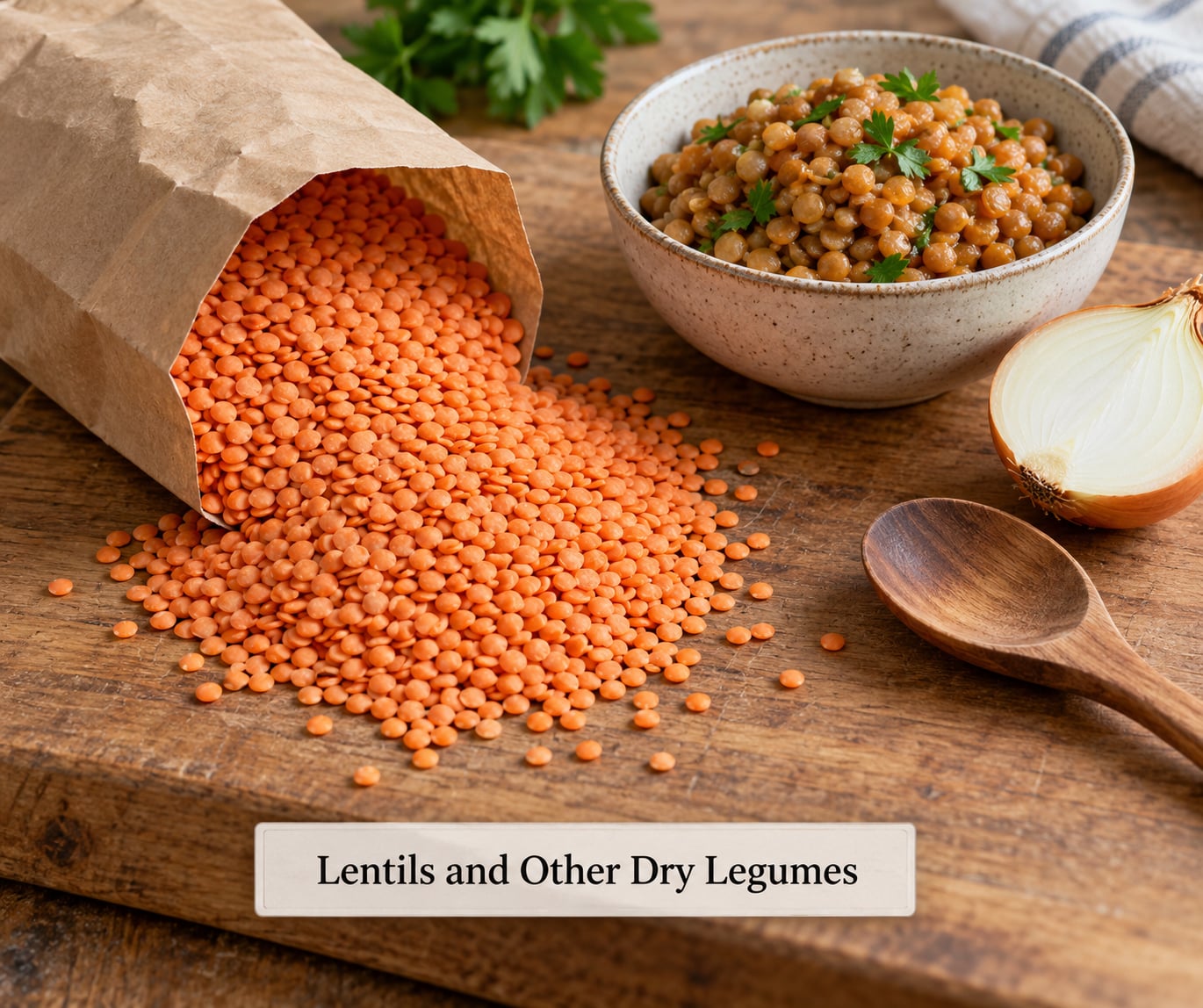
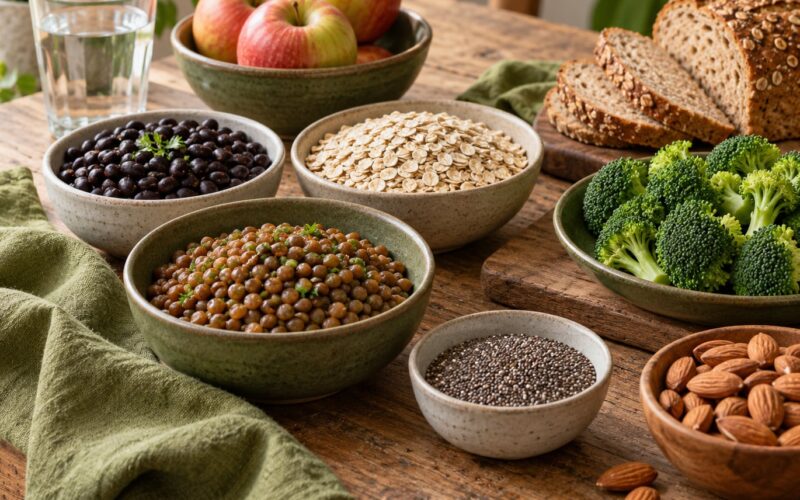
Dried lentils, split peas and beans are among the cheapest protein sources you can buy, and they keep for months on a shelf. Cooked weight and dry weight are wildly different numbers, so read the bag and use its dry figures for costing.
A quarter cup of dry lentils gives roughly 13 grams of protein and cooks into about three-quarters of a cup; a full cooked cup lands near 18 grams. That difference is exactly why online cheap-protein claims go wrong.
Batch cook on a weekend: a pot of lentils with onion, carrot and stock, portioned into containers and frozen. Serve it over rice, with a boiled egg on top, or stirred through pasta with whatever vegetable is in the freezer. Vegans lean on lentils and split peas for the same reason: they are cheap and they fill you up.
8. Chicken
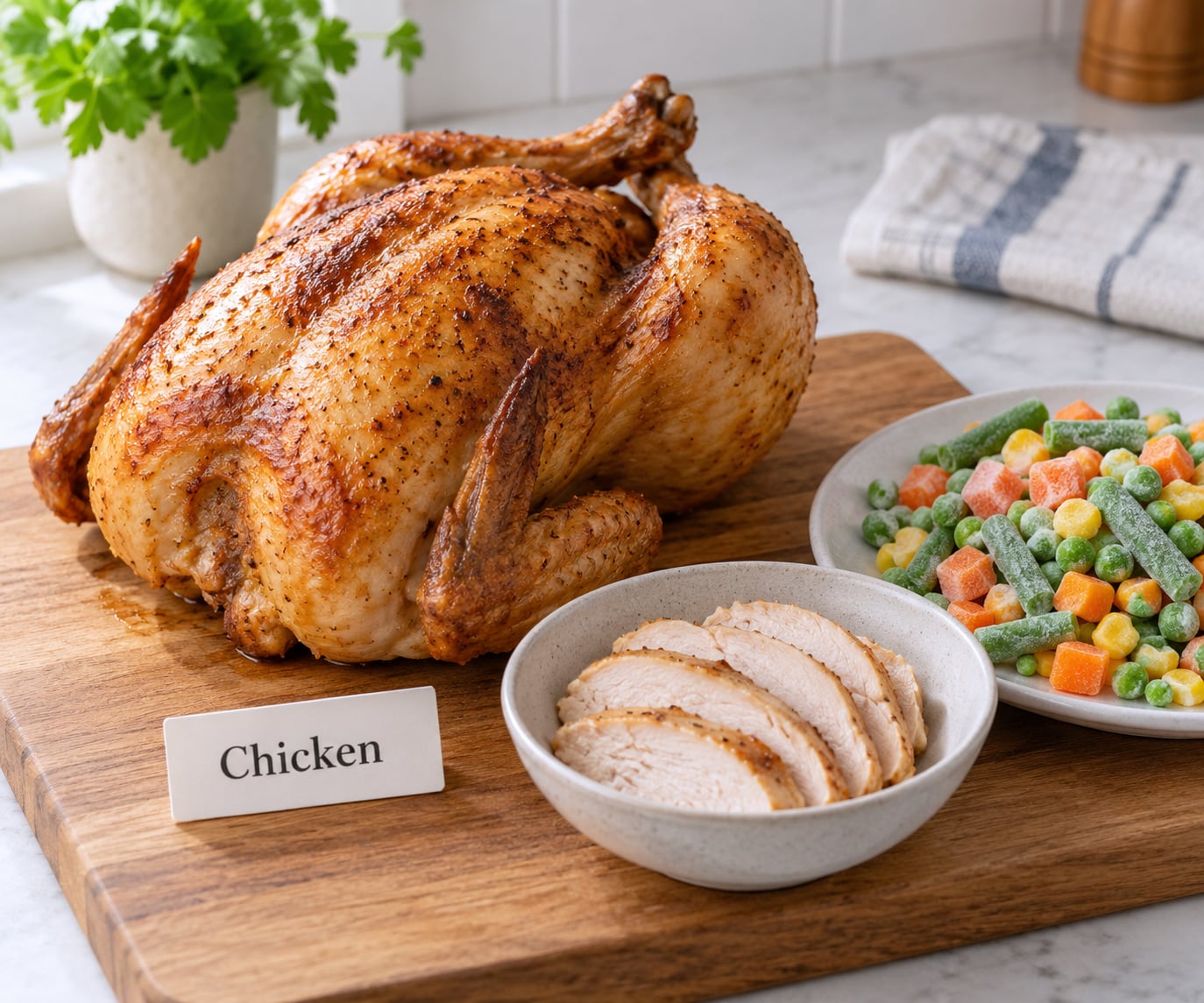
Chicken costs far less per serving when you buy it whole rather than in single breasts. A whole roasted bird gives you a cooked serving of roughly 26 grams of protein per 3 oz, and the rest of the meat covers several more meals.
Compare fresh, frozen and canned on serving count, not on package price. Frozen packs are usually the best value for protein per dollar, fresh whole birds give you the most food, and canned chicken is a pantry backup with a higher price per serving.
Cook poultry to an internal temperature of 165 F / 74 C. Refrigerate cooked meat within two hours, eat it within three to four days, and freeze the rest. Shredded breast freezes well and turns into tacos, soups, sandwiches and fried rice without reheating fuss.
9. Lean Ground Beef or Turkey
Lean ground beef and ground turkey sit close together on protein, roughly 22 to 25 grams per 3 oz cooked, so the tie-breakers are fat content and what your household will actually eat. Turkey is usually leaner; beef usually has more iron and a stronger flavor.
Buy family-size packs and compare the label for protein and fat per 3 oz raw, since portion sizes on the front of the package are unreliable. Cook ground meat to 160 F / 71 C.
One batch of browned ground meat stretches further than most people expect. Fill tortillas for tacos, stir it through pasta with canned tomato, stuff peppers with rice and beans, or top a bowl of cooked grains and frozen vegetables.
10. Peanut Butter
Peanut butter is protein-containing, shelf-stable and surprisingly filling, which makes it a pantry workhorse. Two tablespoons typically provide 7 to 8 grams of protein.
Choose natural peanut butter or reduced-sugar varieties. Novelty jars with candy and cookie pieces cost several times more for less protein, which quietly defeats the reason you bought it. Measure with a tablespoon rather than scooping straight from the jar.
It also carries roughly 190 calories per two tablespoons, so it works well for maintaining weight and poorly for calorie cutting. Use it in sandwiches, stirred into oats, thinned with water into a dip for fruit or bread, or blended into a smoothie bowl with milk and frozen fruit.
11. Frozen Vegetables
Frozen vegetables are not a primary high-protein food, and treating them as one misleads people. What they are is the cheapest way to add volume, fiber and plant nutrients to a protein dish without spoilage.
Peas are the best of the bunch at roughly 8 grams of protein per cup; green beans, corn and mixed vegetables land around 5 grams per cup.
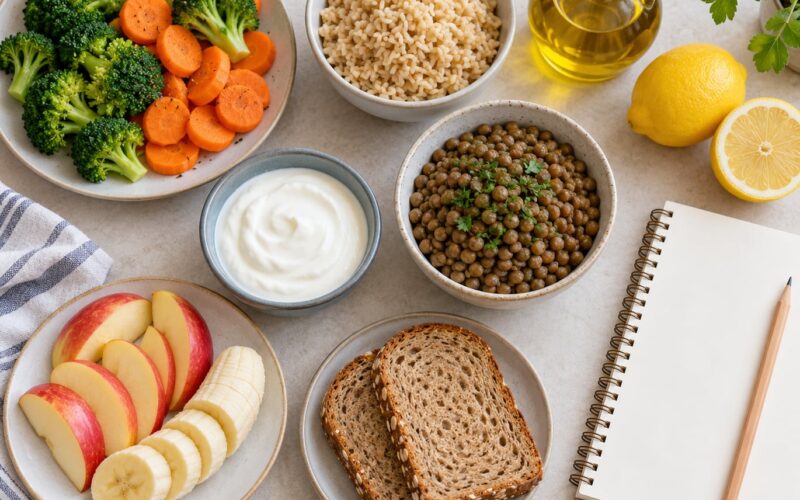
Toss them into soups, stir-fries and sheet pans, or heat them in a microwave and serve them beside beans, eggs or grain bowls. Bags are usually cheaper than boxes, and mixed bags avoid the pile-up of half-used vegetables nobody wants to finish.
12. Whole Grains and Oats
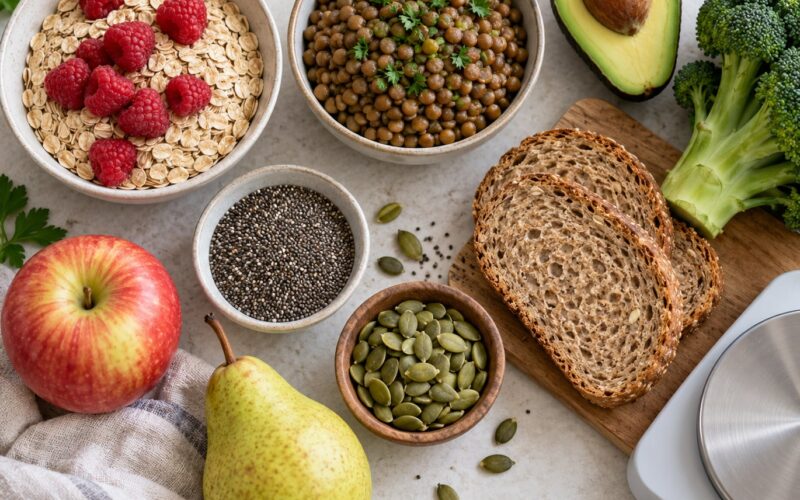
Most whole grains are not high-protein foods on their own; oats, brown rice and whole-grain pasta deliver roughly 5 to 7 grams per cooked cup. They become useful budget protein foods the moment you pair them with eggs, milk, beans, yogurt, nuts or seeds.
Oats are the workhorse of the group: half a cup dry gives about 5 grams of protein, keeps for a long time and turns into breakfast with milk and peanut butter, or into a filling bowl with yogurt and fruit.
Brown rice, whole-grain pasta and corn tortillas all do the same job at different costs, and all keep pantry meals filling. Budget forums regularly name canned vegetables plus beans as the cheapest way to cover calories, protein and fiber together, and the same pairing works if you swap in rice or tortillas.
Frequently Asked Questions
What is the cheapest high-protein food?
On a cost per 30 grams of protein basis, dried lentils, dried beans and other dry legumes usually come out cheapest because you buy them by weight with no processing and no refrigeration. Eggs and plain Greek yogurt are close behind and add variety, though eggs cost more per protein gram at some times of year. Prices vary by store and region, so compare the unit price where you shop rather than trusting any published ranking.
Are eggs a cheap source of protein?
Eggs are one of the more economical complete proteins, providing about 6 grams per large egg, and they cook faster than almost any other budget protein. The cost per protein gram moves a lot with the season, though, and at some points a dozen eggs costs noticeably more than it did the month before. Buy by the dozen, compare the unit price, and use every part of the carton including the whites.
How can I eat more protein without spending more money?
Swap expensive perishable proteins for cheaper ones like dried legumes, canned beans, eggs and milk, and buy them in the format that costs least per serving, such as large tubs of yogurt over single-serve cups. Adding a protein to foods you already eat, such as milk in oats or beans with rice, lifts the total without adding a whole new shopping list. Avoid flavored yogurt cups, ready-to-drink shakes and protein bars, which cost several times more per gram.
Is canned tuna healthy if I eat it several times a week?
Canned tuna is lean, high in protein and a good source of omega-3s, but regular intake deserves some attention. Choose light tuna more often than albacore, vary in other fish such as canned salmon, sardines or frozen white fish, and keep an eye on sodium by rinsing and draining well. Advice on fish intake varies for pregnancy and other situations, so ask your clinician for individual guidance.
How much protein do I need in a day?
The adult reference intake is about 0.8 grams per kilogram of bodyweight, which works out to roughly 55 grams a day for a 70 kg adult, and active people often eat more. Needs change with age, training, pregnancy and health conditions, so treat that number as a floor rather than a target. A registered dietitian can set a realistic number for you and your budget rather than guessing.
Which high-protein foods keep the longest without refrigeration?
Dried lentils, split peas and beans keep for months in a sealed container as long as they stay dry. Peanut butter and canned fish, milk and yogurt in shelf-stable cartons also last on the pantry shelf, with canned fish unopened lasting about a year and a half at best. Watch the dates on shelf-stable cartons, since they concern quality more than safety. Once opened, follow the label rather than assuming.
Conclusion
Start with the dry legumes and the eggs. Buy lentils in bulk and a dozen eggs, check the unit price on yogurt and milk rather than the sticker, and pair everything with rice, tortillas, oats and frozen vegetables you already have. A registered dietitian can turn that into a daily protein number that fits your budget and your health needs.