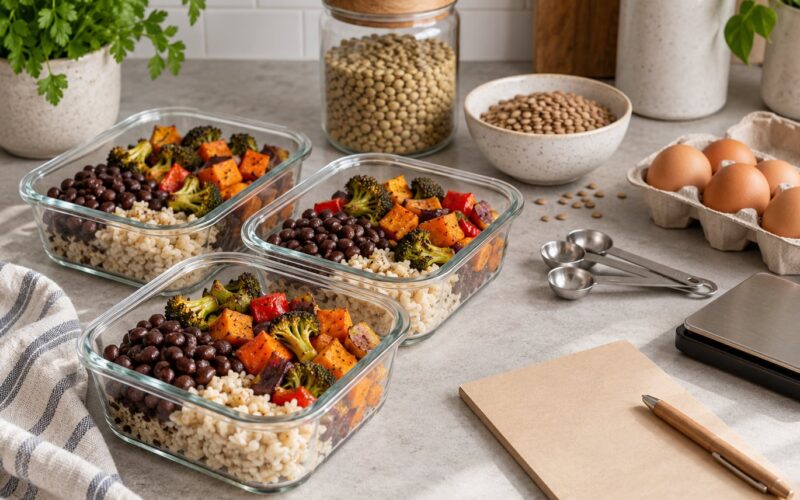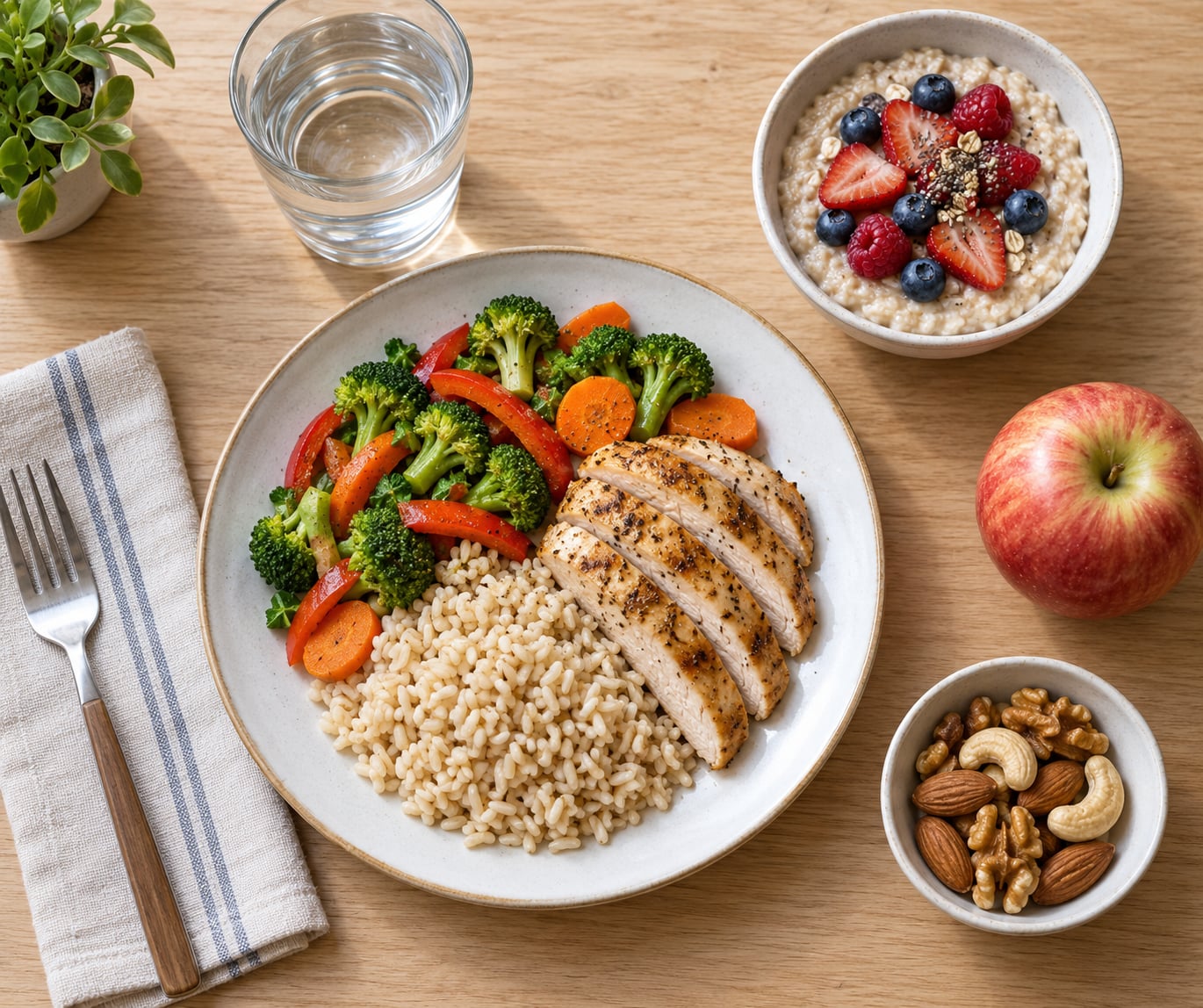
How to eat on rest days is simpler than most guides make it sound: keep your protein steady, eat normal satisfying meals, drop nothing dramatically, and drink water the same way you did on training day. The repair work happens while you rest, so your easy day deserves the same attention as your hard one.
It takes about five minutes a day to follow. People who get it right tend to do the same few things: eat at roughly the times they always do, build each meal from a protein food plus a carbohydrate plus something colorful, and snack on hunger rather than on boredom.
This is general information for adults who train a few times a week. It is not a calorie prescription, a supplement plan, or medical advice.
Table of Contents
- What You Need
- Step-by-Step: How to Eat on Rest Days
- Build Meals Around Protein, Carbohydrates, and Color
- Choose Carbohydrates for Energy Without Overeating
- Keep Snacks Useful Rather Than Automatic
- Drink Water and Adjust for Your Activity Level
- Adjust for Hunger, Activity, and Your Goal
- Common Mistakes
- Frequently Asked Questions
- Do I need to eat fewer calories on a rest day?
- How much protein should I eat on rest days?
- Should I avoid carbohydrates when I am not exercising?
- How can I control hunger on a rest day?
- What is the best meal plan for a rest day?
- When should I ask a doctor or dietitian for help?
- Conclusion
What You Need
Not much. If you already eat regular meals most days, you have everything the plan needs.
- A meal rhythm. Three meals at your usual times, or however many you normally eat.
- A balanced plate. A protein food, a carbohydrate food, vegetables or fruit, and a small amount of fat.
- Water. A glass you keep refilling through the day, not just at meals.
- Protein foods within reach. Eggs, Greek yogurt, chicken, fish, beans, tofu, cottage cheese.
- A rough sense of your day. A rest day means less planned training, but a walking, child-heavy or chore-heavy day uses more energy than a desk day.
Supplements are optional rather than necessary. If you are managing a medical condition, are pregnant, or are recovering from an injury, talk to a doctor or a registered dietitian first, since they can account for things a general guide cannot.
Step-by-Step: How to Eat on Rest Days
The framework follows the order of an ordinary day, from the first meal to the last glass of water.
Build Meals Around Protein, Carbohydrates, and Color
Start from the protein anchor and build outward. Greek yogurt with oats, berries and walnuts for breakfast; chicken and rice with roasted vegetables at lunch; salmon, a baked potato and broccoli with olive oil at dinner. Every one of those meals came from a supermarket shelf, not a plan.
Most adults do better spreading protein across three or four servings than cramming it into one giant dinner. Twenty to thirty grams per serving is the rough range many trainers and dietitians work with, and you can hit it without weighing anything.
Choose Carbohydrates for Energy Without Overeating
Carbohydrates are what people cut first on a rest day, and they are what most people miss by the middle of the afternoon if they do. Your muscles refill their glycogen stores between sessions, and the fuel for that comes from rice, potatoes, oats, bread and fruit.
Portions can stay flexible. A bowl of oats, a fist of rice, one baked potato, two slices of wholegrain bread, a piece of fruit, or yogurt with granola all fit the same slot. Match the portion to your hunger and to what tomorrow looks like, since a day with a long walk does not need the same plate as a day spent sitting.
Keep Snacks Useful Rather Than Automatic
Hunger on a rest day is normal and it is not a character flaw. Training usually occupies you, and when the training stops, hunger shows up at the same times it would have been handled by a busy afternoon.
Snacks work best when they carry something, such as protein or fat. Fruit with Greek yogurt, carrots with hummus, toast with peanut butter, or a small handful of nuts with a piece of fruit will carry you to dinner. Crackers on their own rarely do much, which is why they leave you hungry again twenty minutes later.
Drink Water and Adjust for Your Activity Level
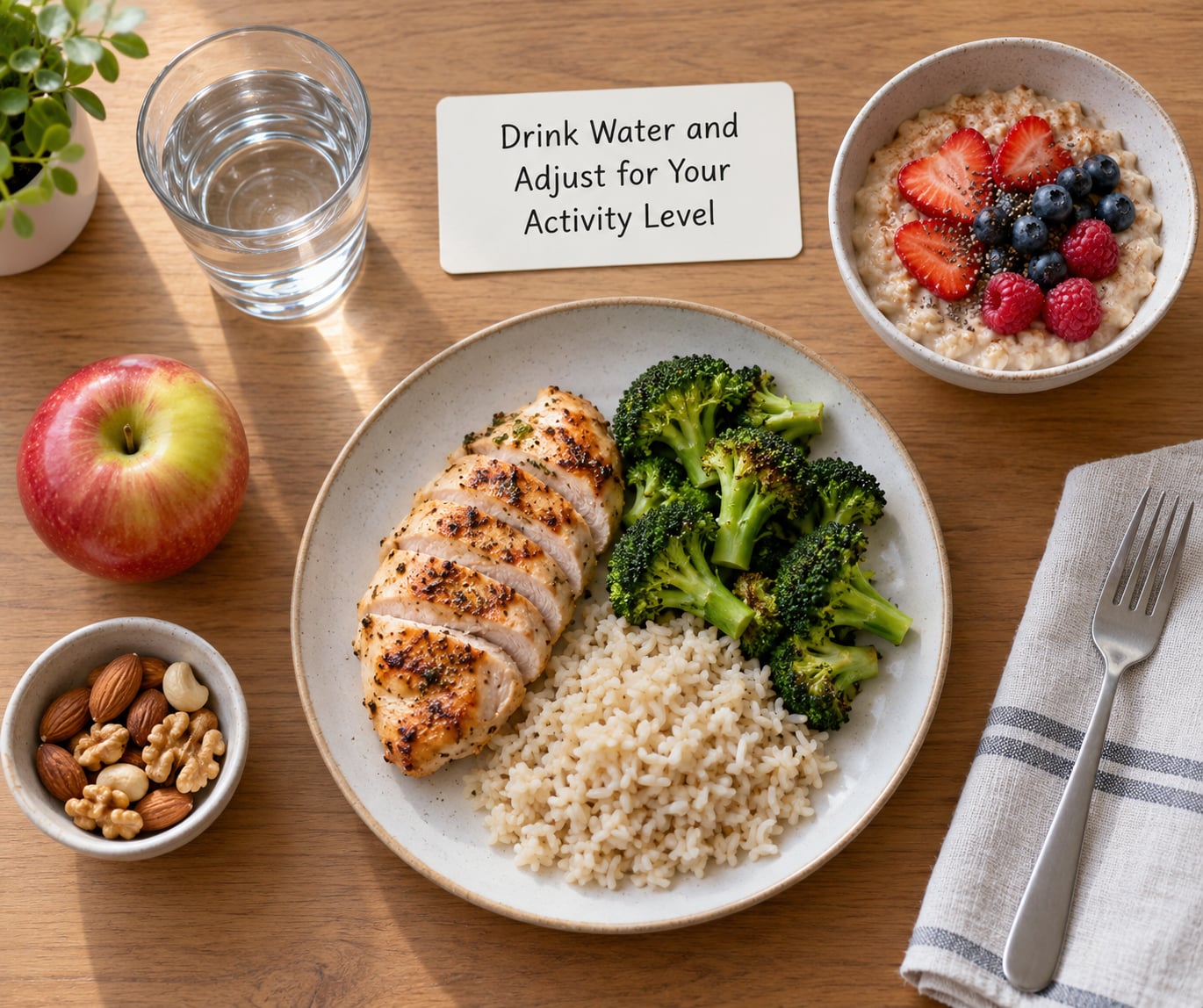
Thirst is a decent enough signal on a low-movement day, and water at meals plus a glass you keep nearby covers most people. On an active recovery day, where you walk, swim, stretch or handle a house full of people, you lose more fluid than a quiet day, and the need goes up rather than down.
There is no single number of litres that fits everyone, and anyone who needs fluid restrictions for a heart or kidney condition should follow their clinician’s advice instead of a general rule.
Adjust for Hunger, Activity, and Your Goal
The adjustment is smaller than most online debates suggest. Plenty of people simply keep protein identical every day and shave a little off carbohydrates and fats on quieter days, which is a pattern lifters on Reddit describe often enough to be useful. Others eat the same as any other day and change nothing, which works when their hunger is calm and their goal is maintenance.
For the next couple of weeks, track how hungry you are at your usual mealtimes rather than trying to hit a number. If you are ravenous before lunch and fine afterward, you ate too little the day before. If you are full after a normal plate and never thinking about food, you ate well. That feedback is worth more than any percentage someone hands you online.
Common Mistakes
Rest day eating goes wrong in predictable ways, and each one has a simple correction.
- Skipping meals because you did not train. Your body still repairs tissue overnight, so missing lunch and dinner sets up the opposite of what you wanted. Keep the same meal times as a training day.
- Eating as if you trained. Extra fuel belongs on the day you did a long session, not as a default on the day you walked the dog. Match portions to what you actually did.
- Compensating with restraint and then a large dinner. The classic cycle is skip, starve, overeat, feel bad, repeat. A steady three-meal day prevents it more reliably than any single rule.
- Cutting carbohydrates entirely. Low-carb rest days leave many people tired and hungry by late afternoon, and they can make tomorrow’s session harder. Keep a portion, just not a double portion.
- Eating only salad. A bowl of leaves is a vegetable, not a balanced meal. Add a protein food and a carbohydrate, and the same salad becomes a lunch.
- Confusing thirst with hunger. Drink a full glass of water and wait ten minutes. If the hunger is still there, eat something with protein in it.
One practical tip beats all of it: plan the rest day’s first meal before the rest day starts, at the same time you would plan a workout you care about.
Frequently Asked Questions
Do I need to eat fewer calories on a rest day?
Slightly, if anything. Rest days usually burn fewer calories than training days, but most of the difference is modest, and cutting too hard leaves you hungry and under-recovered. Many people hold protein steady and trim a portion of carbohydrates or fats instead. If your goal is maintenance, eating the same is perfectly reasonable. Judge it by hunger and by how you feel the next morning, not by a formula.
How much protein should I eat on rest days?
Enough to cover four lean meals, and spread out rather than loaded onto dinner. Many people use roughly one gram per pound of bodyweight as a general reference, split into servings of twenty to thirty grams every three to four hours. Rest days matter for protein because muscle repair happens between sessions, not during them. Whole foods come first, and a shake is only useful if it saves you from skipping a serving.
Should I avoid carbohydrates when I am not exercising?
No. Carbs refill the glycogen your muscles emptied during training, so cutting them on rest days can leave you flat by evening and less prepared for the next session. Keep normal portions of oats, rice, potatoes, bread and fruit, and reduce them only if you are genuinely less hungry on that particular day. Very low-carb rest days suit some people, but they are a preference rather than a requirement.
How can I control hunger on a rest day?
Eat three balanced meals at your usual times and stop there being an accident. Most rest day hunger comes from an empty afternoon plus an unexamined snack habit. Water first, then a snack with protein or fat such as fruit with yogurt or carrots with hummus. If you are genuinely starving, eat a full meal with carbohydrate in it. Guilt about eating on a rest day tends to create the overeating it is trying to prevent.
What is the best meal plan for a rest day?
The best one is the plan you will actually repeat: regular times, a protein food plus a carbohydrate plus vegetables at each meal, and snacks only when hungry. A sample day might be Greek yogurt with oats and berries, chicken and rice with vegetables at lunch, an apple with peanut butter in the afternoon, and salmon with potatoes and broccoli at dinner. Adjust portions to your appetite and your activity, not to someone else’s macros.
When should I ask a doctor or dietitian for help?
Ask when eating rules start affecting your life beyond food. Signs worth a conversation include constant fatigue, hair loss, missed periods, dizziness, food anxiety, or a weight you cannot sustain without extreme restriction. Registered dietitians can also help if you train heavily, are over 50, manage diabetes, kidney disease or a digestive condition, or are pregnant. Bring your training schedule and a week of food notes, not just a question.
Conclusion
Rest day eating is ordinary eating. Keep your meal times, keep a protein food in every main meal, keep a normal portion of carbohydrate, drink water through the day, and snack only when you are actually hungry. Change the size of portions for the day in front of you, not for the day you wish you had trained.
Start with your next rest day: decide the first meal before the day begins and keep the rest of the rhythm the same as any other. If something feels off after a couple of weeks, a registered dietitian can turn this general guide into numbers that fit your body.