Meal prep for weight loss on a budget works because it takes the daily decision out of eating: you cook once, portion everything into containers, and each meal is already decided before Monday morning. Set aside about 90 minutes on a Sunday, spend the rest of the week eating food you have already weighed out. That is the whole method.
The cheapest version is built on eggs, canned beans, lentils, canned tuna, chicken thighs and frozen vegetables, cooked in large batches and turned into several different meals. Nothing here needs a special kitchen gadget, and none of it needs a diet product.
Table of Contents
- What You Need
- Step-by-Step: How to Meal Prep for Weight Loss on a Budget
- Plan Your Meals Around Protein and Fiber
- What the 3-3-3 rule is
- Shop and Cook in Batches
- Portion, Label, and Store Meals Safely
- Common Mistakes and Simple Fixes
- Tips for Keeping Budget Meal Prep Sustainable
- Frequently Asked Questions
- What are the cheapest foods to meal prep for weight loss?
- How many meals should I prep for weight loss?
- Can I meal prep salads without them becoming soggy?
- How do I control portions when meal prepping on a budget?
- How long do meal-prepped meals stay safe in the refrigerator?
- Do I need to buy special weight-loss foods?
- Start With One Batch
What You Need
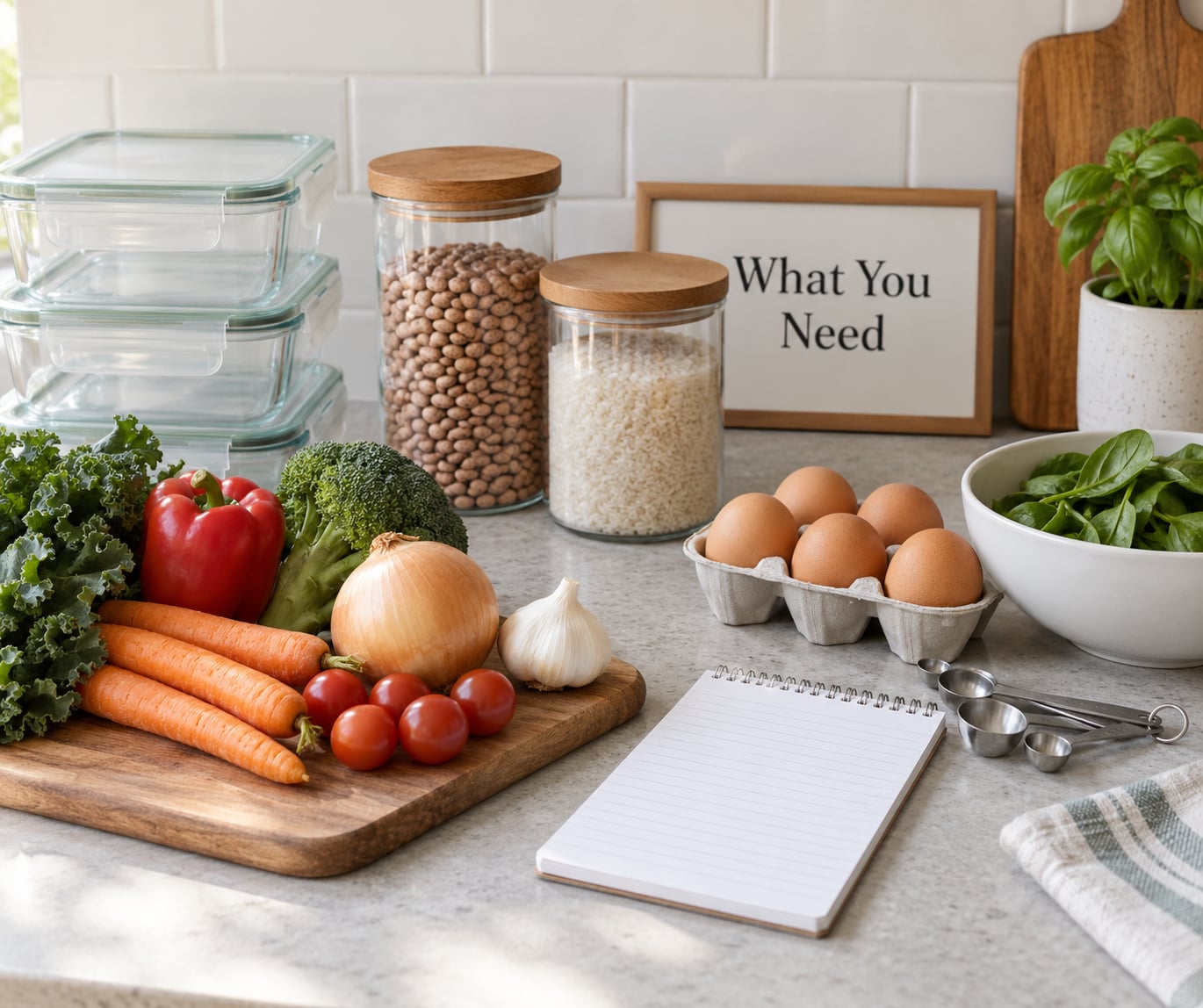
You need less gear than the internet suggests. Everything below can be bought once and used for months.
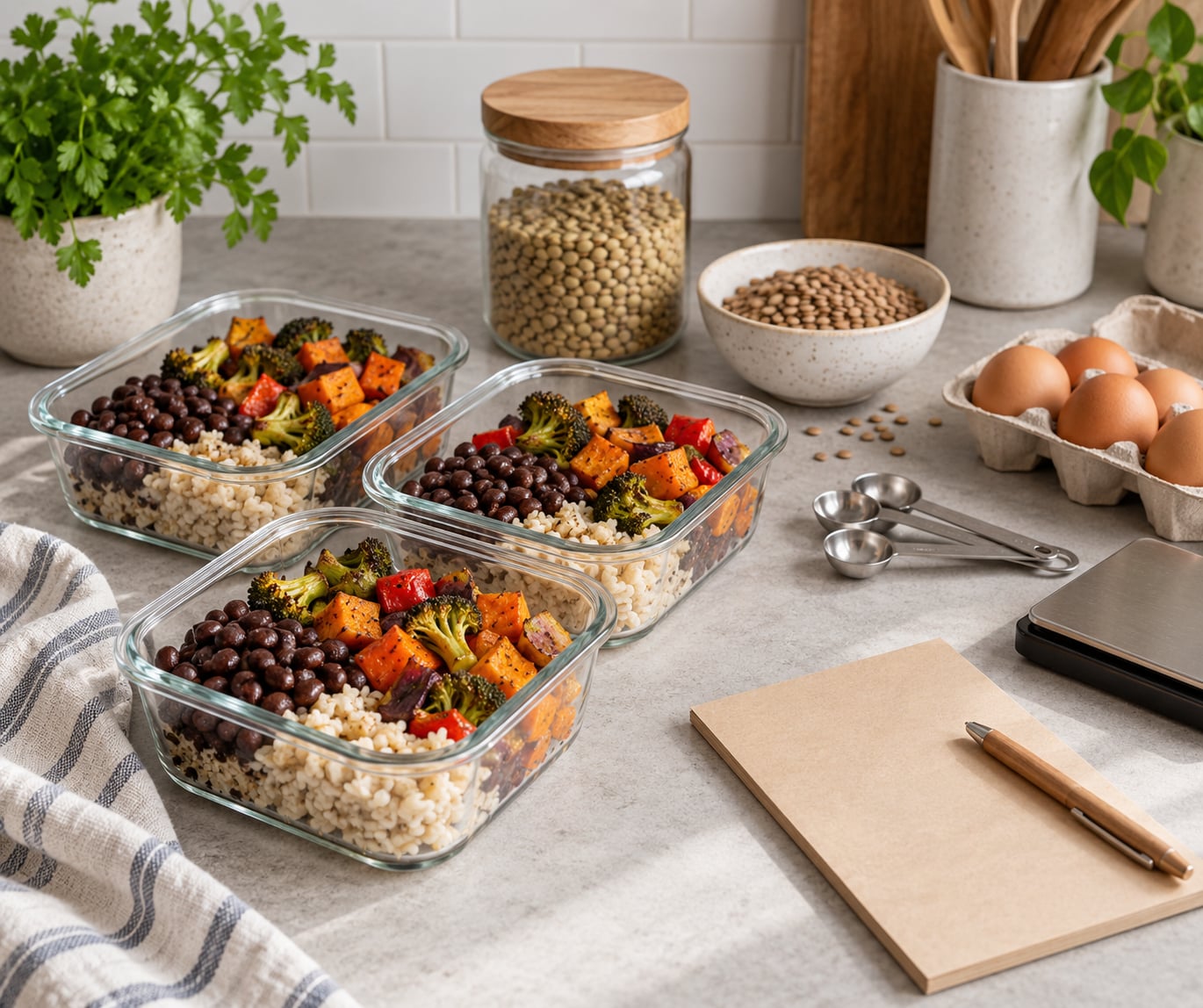
- Storage: six to eight containers you can close properly. Glass is heavier and reheats well; plastic is lighter. Any latching container that survives a freezer works.
- Portioning: a kitchen scale if you have one, otherwise the same cup or bowl measure every single time. Consistency matters more than precision here.
- A label method: masking tape and a marker, or a roll of freezer tape. Write the date and the meal name, not just “food”.
- One sheet pan or pot: for roasting a batch of vegetables and chicken at the same time.
- A shopping list you actually take with you, written on paper so it survives the walk.
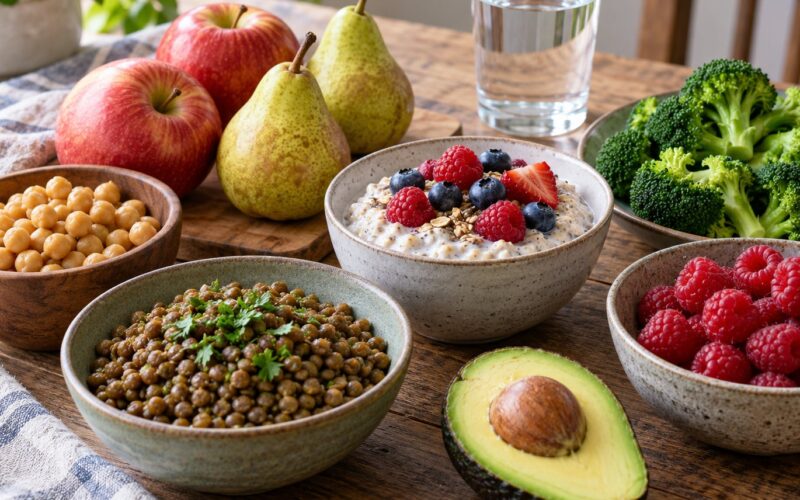
On the food side, start your pantry with oats, rice, dried or canned beans, lentils, canned tuna, frozen vegetables and eggs. Add jars of salsa, spices, vinegar and oil, because flavor is what stops you quitting in week two. Skip anything marketed as a weight-loss product; it costs more and does less than a can of beans.
If your kitchen lacks a freezer or you cook for one person, scale everything down. Most of this guide works in halves, and single-person batch cooking is a real, sensible way to do it.
Step-by-Step: How to Meal Prep for Weight Loss on a Budget
Plan Your Meals Around Protein and Fiber
Weight loss on a calorie deficit happens because you eat slightly less energy than you use. Meal prep is simply the most reliable way to control portions, because the portion is decided before you are hungry and tired at 7pm. Protein and fiber are what make the plan bearable: together they fill you up, so a modest deficit does not turn into a constant fight.
Use the plate method as your everyday guide. Fill a quarter of your plate with a protein, a quarter with a grain or starchy vegetable, and half with vegetables or fruit. You do not need to weigh macros or track calories to do this well, and on a budget the protein quarter is where your money should go.
What the 3-3-3 rule is
The 3-3-3 rule is a simple meal prep habit: prep three days at a time rather than the whole week, rotate through three protein sources instead of eating the same one daily, and plan three meals a day plus a snack. Prepping three days at a time keeps food fresher and your shopping list smaller.
- Prep three days, not seven. Fewer containers, less food waste, and refrigerated food stays inside its safe window.
- Rotate three proteins. Beans one day, eggs the next, tuna or chicken thighs the third. Boredom is the number one reason people quit prepping.
- Three meals plus one planned snack. If the snack is decided in advance, you are not negotiating with hunger at 4pm.
Because the rule is flexible rather than strict, adjust the numbers to your week. Plenty of people prep five days and freeze the rest, and plenty of people eat two meals a day and simply do not prep the third.
| Cheap protein | Protein per serving | Servings per batch | Best use |
|---|---|---|---|
| Eggs | about 6 g per large egg | 10 to 12 | Breakfast frittata, hard-boiled snack boxes |
| Canned black beans | about 15 g per half cup | 6 | Chili, burrito bowls, soup |
| Dried lentils | about 18 g per cooked cup | 6 to 8 | Curries, chili, thick soup |
| Canned tuna | about 25 g per half cup | 3 to 4 | Salad bowls, wraps, rice bowls |
| Chicken thighs | about 22 g per thigh | 4 to 6 | Sheet-pan roasting, curry |
| Plain Greek yogurt | about 17 g per cup | 4 | Oats, snack, creamy sauces |
| Frozen fish fillets | about 20 g per fillet | 4 | Sheet-pan bake with vegetables |
Protein grams are typical estimates for standard portions, not lab measurements, so check the label on what you buy. The comparison matters more than the exact figure: canned beans and lentils give you more protein for less money than most packaged meat, which is why they anchor most budget plans.
On taste, blend low-fat cottage cheese with Greek yogurt, lime juice, a splash of hot sauce and chopped cilantro for a sauce that turns plain rice or roasted vegetables into something you actually want to eat. It costs a fraction of a jar of dressing and keeps for a few days in the refrigerator.
Shop and Cook in Batches
Shop with a list and eat a small snack first. Most overspending in a grocery store happens when you are hungry and improvising. Compare unit prices on the shelf edge rather than the front label, choose store brands for oats, rice, canned beans and canned tuna, and buy frozen vegetables in place of fresh when the fresh version will rot before you cook it.
Bulk buying only works for food you will actually eat. Oats, rice, dried beans, lentils and frozen vegetables keep for months and are safe bets. Fresh greens are not, so buy them for the first two days and plan a later meal that uses them.
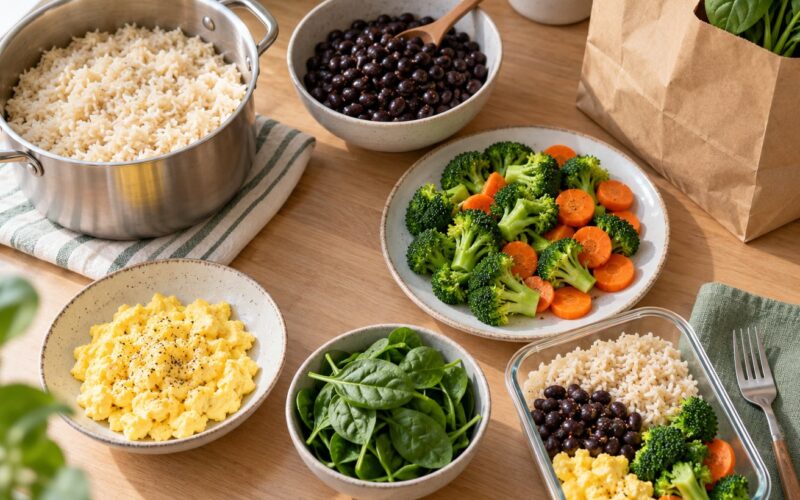
Cook one base and turn it into three meals rather than making three separate dishes. A pot of brown rice plus a tray of roasted chicken thighs and a sheet of frozen broccoli becomes chicken and rice bowls on Monday, stuffed peppers on Wednesday, and a quick fried rice on Thursday.
A realistic 90-minute session looks like this:
- 0 to 15 minutes: heat the oven, pull everything out of the freezer, start a pot of rice or lentils.
- 15 to 40 minutes: season and roast the protein and a tray of vegetables together.
- 40 to 70 minutes: open cans, drain and rinse beans, mix the DIY sauce, boil a second grain if you have one.
- 70 to 90 minutes: cool everything briefly, portion into containers, label and stack.
Do not let it get longer than that. A session you dread is a session you abandon, and a ninety-minute session is easier to protect than a whole afternoon.
Portion, Label, and Store Meals Safely
Portion while the food is still in the pan. Dividing by hand “roughly” is how portions creep upward all week. Fill every container for the first three days, then leave the rest of the batch in the fridge to cook or freeze that evening.
Label with the dish and the date. Eat refrigerated meals in order, oldest first, so nothing sits past its window.
| Food | Refrigerator days | Freezer months | Notes |
|---|---|---|---|
| Cooked grains and rice | 3 to 4 | 2 to 3 | Cool quickly before the lid goes on |
| Cooked beans, lentils, soups | 3 to 4 | 2 to 3 | Freeze in flat bags to save space |
| Cooked poultry, ground meat | 3 to 4 | 2 to 3 | Cool uncovered, then seal |
| Hard-boiled eggs | 7 | not recommended | Texture suffers badly once frozen |
| Roasted or steamed vegetables | 3 to 4 | 2 to 3 | Carrots and broccoli freeze well; cucumber does not |
Cook poultry to an internal temperature of 165°F (74°C) and ground meat to 160°F (71°C), measured at the thickest part with a thermometer. Whole cuts of meat and fish reach 145°F (63°C).
Reheat until steaming hot all the way through, stirring in the middle of the dish, not just at the edges. Many people have a microwave and nothing else; if the microwave is your only option, heat in short bursts, stir, and check that the center is hot rather than just warm.
One honest note on salads. Dressed salad keeps about a day before the leaves go limp and watery. Store the dressing separately, use sturdy greens, and add any crunchy topping at eating time. If a salad will sit three days in a container, it will not be worth eating.
Common Mistakes and Simple Fixes
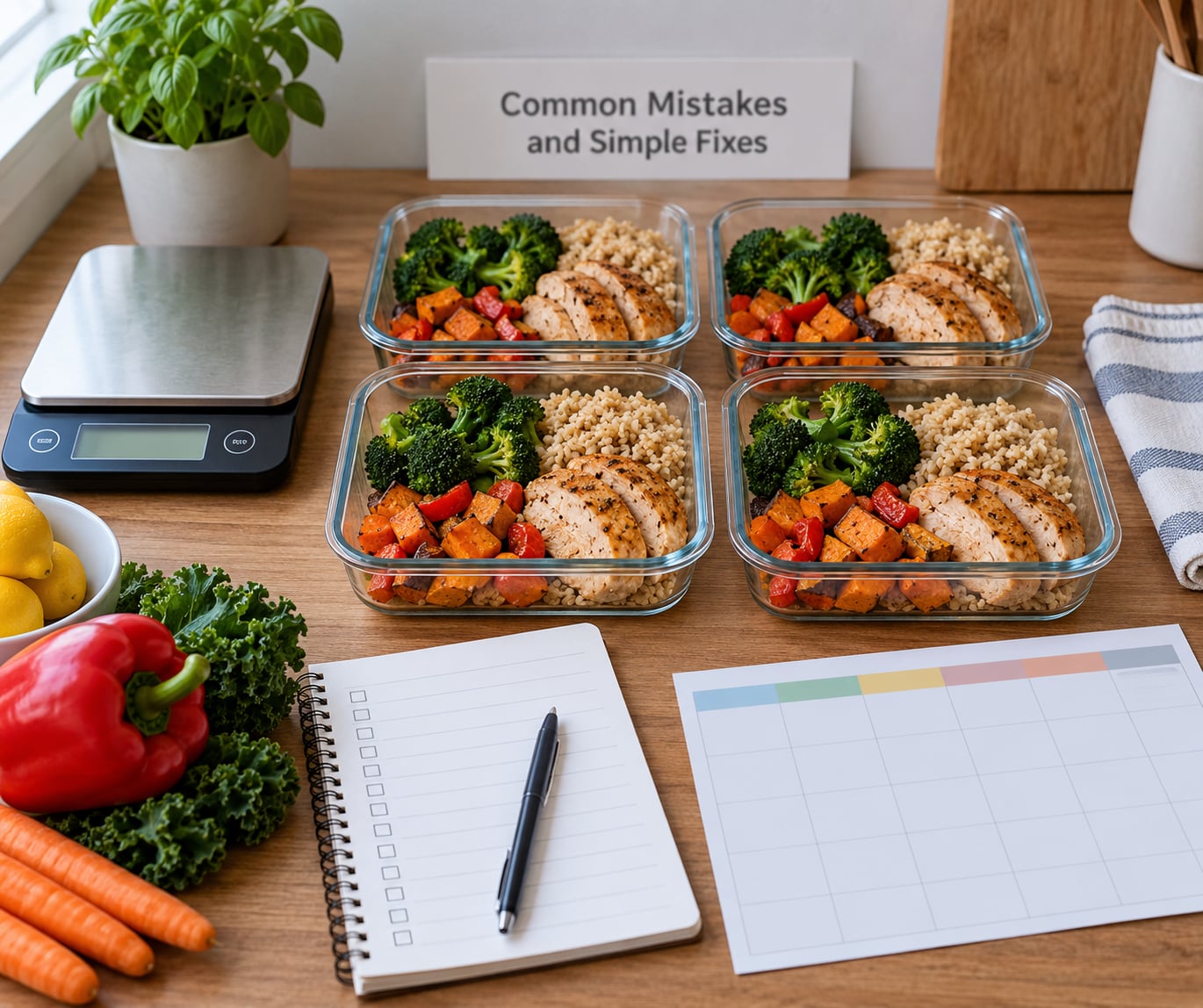
Most wasted effort comes from making a beautiful lunch on Sunday and finding it unappetizing by Wednesday. These six fixes cover nearly every reason a budget plan falls apart.
Prepping only salads. Raw lettuce is cheap but it is not filling, and it wilts within a day. Add cooked beans, eggs or tuna and swap in roasted vegetables for half the meals. Warm meals also keep better for longer in the refrigerator.
Buying diet products and expensive snack bars. These cost far more per serving than the staples above and add calories rather than removing them. Save the budget for protein, vegetables and grains instead.
Cooking without portioning. A big pan with no dividing leaves every decision to you at mealtime. Weigh or cup the portion into containers while everything is hot, and cover the leftovers before serving yourself.
Skipping protein. Low-protein meals leave you hungry within the hour and the snack attack arrives that evening. Keep an egg, a portion of beans or a spoon of Greek yogurt in reserve for exactly that.
Storing food unsafely. Putting a steaming pot straight into the fridge raises the temperature in the whole container. Cool food quickly, use shallow containers, refrigerate within two hours of cooking, and throw away anything that has sat out longer than that.
Abandoning the plan after three days. That is what the three-day rule is for. Prep three days, repeat on a Tuesday evening instead of waiting for the weekend, and the plan survives contact with a busy week.
Tips for Keeping Budget Meal Prep Sustainable
Reduce waste by using what you already have first. Before shopping, look in the freezer and the back of the fridge, and build one meal around the spinach that is about to turn. An unplanned fridge-clearing meal is often the cheapest one you eat all week.
Vary flavor instead of adding more ingredients. The same batch of rice and beans can be a burrito bowl with salsa and cumin, a curry with coconut milk powder and curry powder, or a soup with broth and whatever vegetables are softening in the crisper. Acid, salt, spice and one strong sauce do most of the work that a long ingredient list would.
Scale the batch rather than the recipes. Cooking for one, a single tray of vegetables and two chicken thighs produce the same kind of meal as the family version, in a quarter of the time. Cooking for four, multiply the grains and beans but cook the vegetables in two trays rather than one, or they steam instead of roasting.
Let the plan flex with your week. Less time means fewer containers, not a broken plan. A bigger family means the same method with bigger pots, which is usually cheaper per serving because the fixed costs of cooking and shopping are spread further.
If you have extra budget some weeks, spend it on better quality meat, fresh seasonal produce or a proper lunch box. Keep spending it on convenience food and the plan quietly disappears.
Frequently Asked Questions
What are the cheapest foods to meal prep for weight loss?
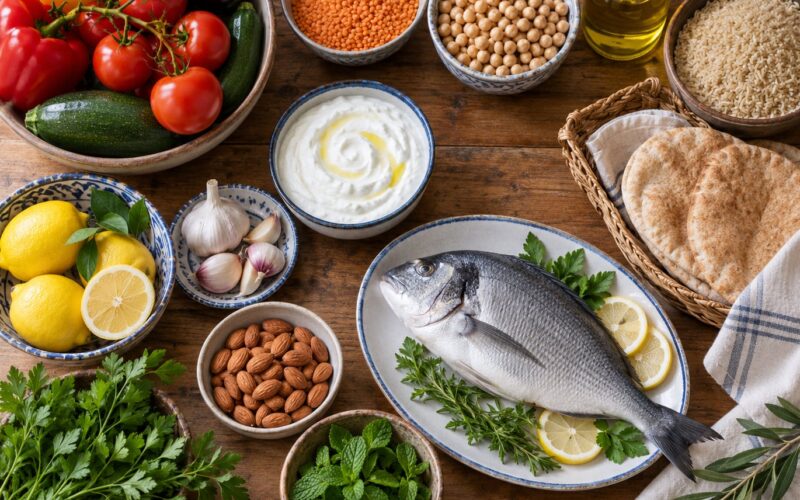
Eggs, canned beans and lentils give you the most protein for the least money, and they keep for months in the pantry. Canned tuna, frozen vegetables, oats, rice and plain Greek yogurt fill out the list. Rotisserie or roasted chicken thighs are worth it when cooked in bulk. Buy frozen vegetables instead of fresh when you know the fresh ones will spoil before you cook them.
How many meals should I prep for weight loss?
Three days at a time is the sweet spot for most people. It keeps refrigerated food inside its safe window, keeps your shopping list short, and means less waste when a week goes sideways. Cook a larger batch and freeze the extra portions if you prefer to prep once. The number that matters is the number you will actually eat.
Can I meal prep salads without them becoming soggy?
Yes, if you store the parts separately. Keep the dressing in a small pot or jar, use sturdy greens, and add anything crunchy at eating time rather than in the morning. Blot the leaves dry before they go into the container. Expect to eat a dressed salad within about a day, and use the second and third day for cooked meals instead.
How do I control portions when meal prepping on a budget?
Portion every container while the food is still hot, using the same cup, bowl or scale measure each time. Fill the days you will eat first and keep the rest of the batch in the pan. Most containers sold for meal prep are larger than a typical serving, so check the volume once and pick the size that matches your plate.
How long do meal-prepped meals stay safe in the refrigerator?
Cooked grains, beans, poultry and roasted vegetables generally keep three to four days in the refrigerator, and two to three months in the freezer. Cool food quickly in shallow containers, refrigerate within two hours of cooking, and discard anything left at room temperature longer than that. Hard-boiled eggs keep about a week refrigerated but freeze poorly.
Do I need to buy special weight-loss foods?
No. Frozen vegetables, canned beans, dried lentils, canned tuna, eggs, oats and rice cover everything you need, and they cost less per serving than almost any diet product. If weight loss is your goal, talk with a doctor or a registered dietitian about how much you should eat, and how to adjust that safely, rather than relying on packaged meals.
Start With One Batch
The simplest way to begin is to pick three meals, buy the ingredients for them once, and prep a single batch this week. Measure the cost of the bag before you shop and after you unpack, so you have a real number for your own kitchen rather than a vague idea.
Learn to meal prep for weight loss on a budget for one week and you will know what it actually takes, in time and in money. After that, add a second batch or a fifth prep day, whichever your week allows. This guide was updated for 2026, and your own results will beat any general estimate.