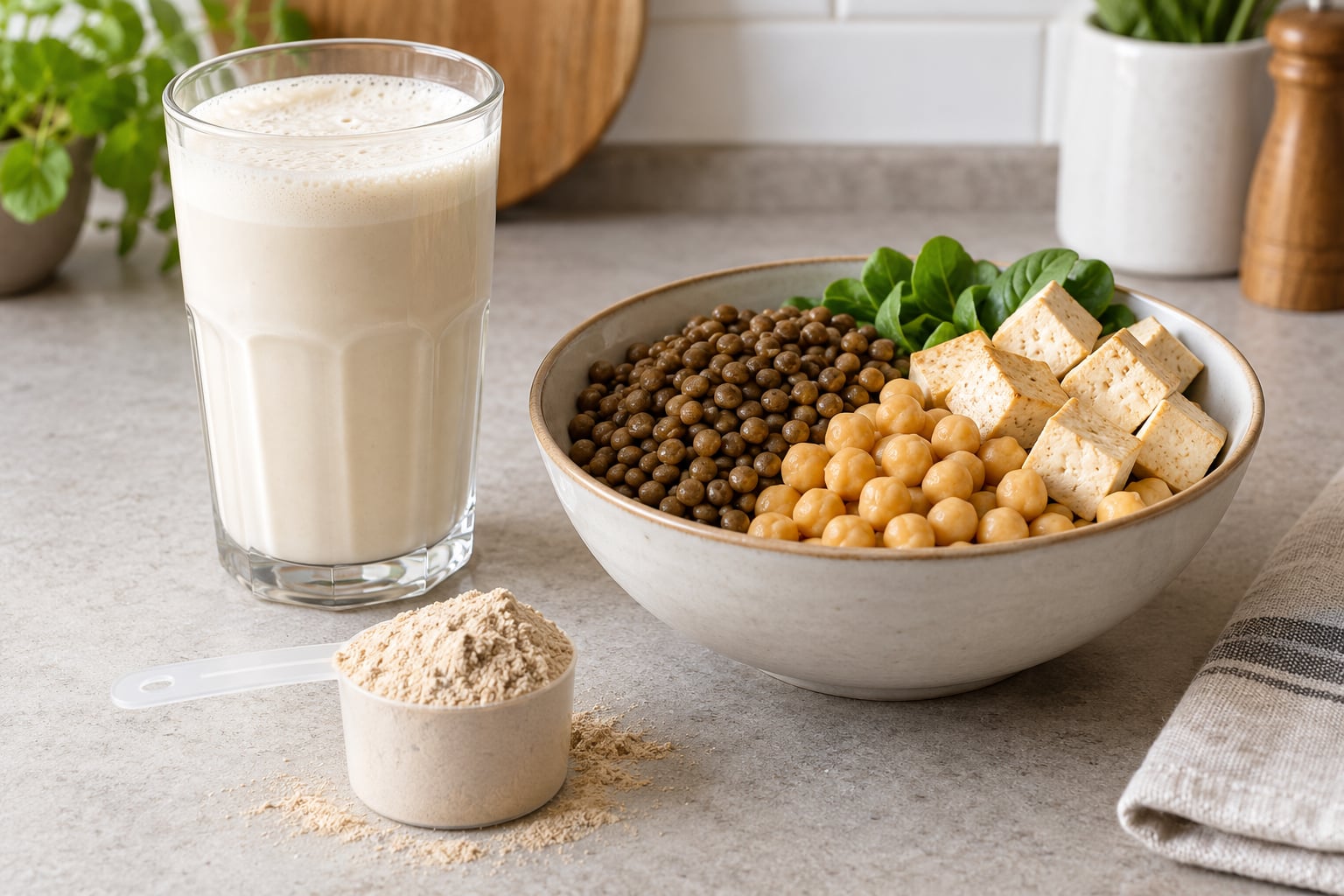
Short answer: for weight loss, whey and plant protein are close to equal, and total calories decide far more than the type you pick. Whey fits a hard cut or a fast post-workout shake better; plant protein suits a dairy-free pattern and often keeps you full longer. Choose the one you can actually eat every day.
That is the honest resolution of the whey vs plant protein for weight loss question, and it is where most of the pages ranking for it go wrong. They argue about absorption speed and leucine counts as though those numbers decide whether fat comes off. They do not.
What decides it is whether you hit a calorie deficit you can hold, whether you hit your protein target inside that deficit, and whether the powder sits in your routine without bloating you into quitting. Get those three right and the whey versus plant question becomes a preference question rather than a maths one.
Below is the full breakdown: what each protein actually is, how they compare on calories and fullness, what happens in your gut, how much protein a cut needs, and which one I would pick for six different situations.
One note before we start. This is general nutrition information, not a personal plan. If you have kidney disease, liver disease, a history of disordered eating, or you are pregnant, talk to a doctor or registered dietitian before changing how you eat or adding supplements.
Last reviewed for 2026. No protein brand pays for anything on this page.
Table of Contents
- Whey vs Plant Protein for Weight Loss at a Glance
- What Is Whey Protein?
- What Is Plant Protein?
- Which Protein Helps with Weight Loss More?
- What protein does for fat loss: three mechanisms
- Protein Quality and Amino Acids
- Calories, Satiety, and Fullness
- Digestion and Food Sensitivity
- How to Choose the Right Protein for Your Goals
- Which Should You Choose?
- Frequently Asked Questions
- Is plant protein better than whey for weight loss?
- How much protein do I need per day on a weight loss plan?
- Does protein powder stop me losing muscle while cutting?
- Why do I feel bloated after whey protein?
- How much plant protein do I need to match a scoop of whey?
- Conclusion
Whey vs Plant Protein for Weight Loss at a Glance
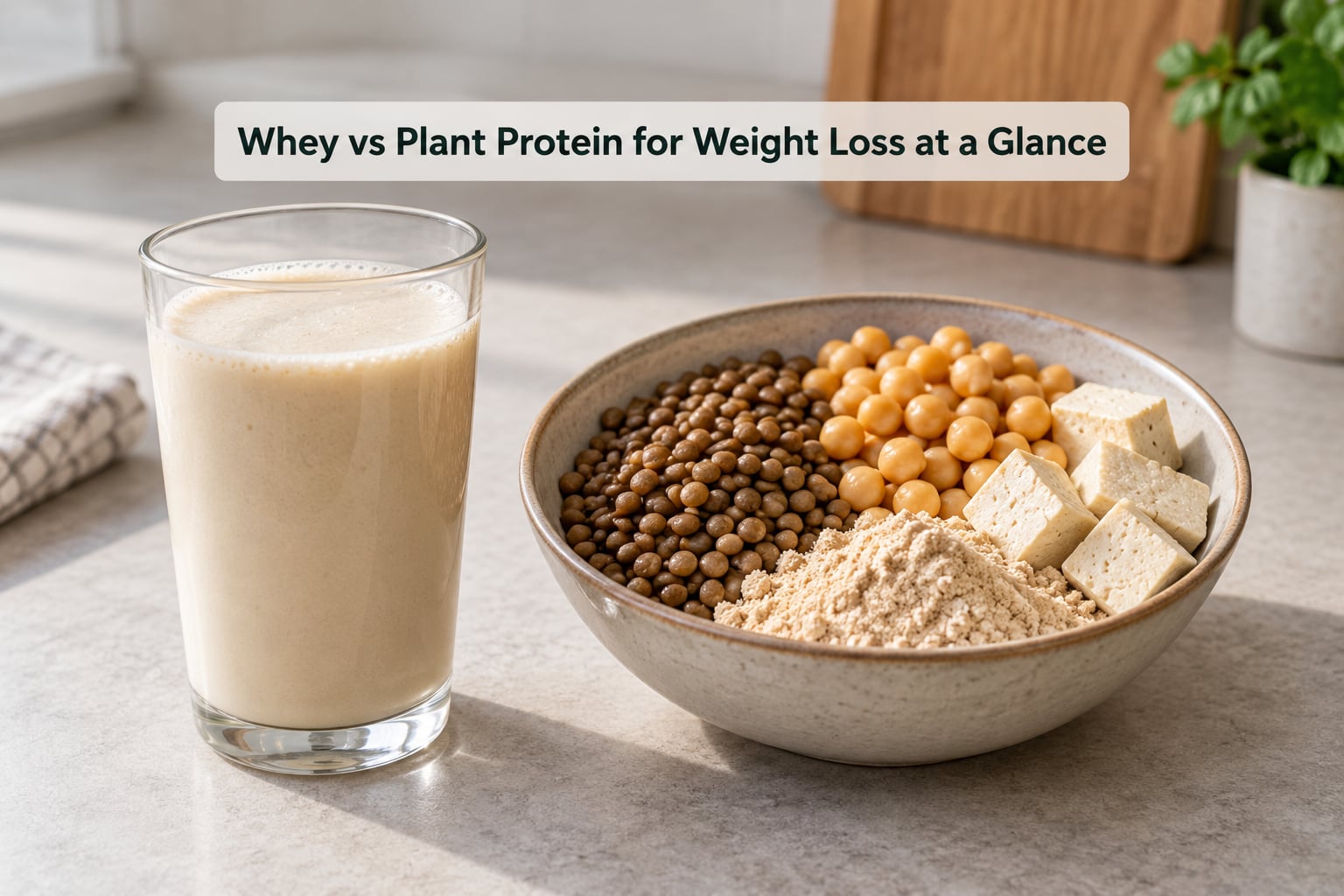
The table below is the whole comparison on one screen. Every figure is a typical label range rather than a single product, so read it as a band, not a promise.
| Factor | Whey protein | Plant protein |
|---|---|---|
| Source | Milk protein separated during cheese-making | Pea, soy, rice, hemp or a blend of plant sources |
| Protein per 30 g scoop | 22-30 g, depending on concentrate or isolate | 20-27 g, depending on the blend |
| Calories per scoop | About 110-130 kcal for isolate, higher for concentrate | About 110-150 kcal |
| Protein per 100 kcal | Higher, because concentrate adds fat and lactose | Lower, because blends add carbohydrate and fibre |
| Leucine per serving | Higher, typically 2-3 g per scoop | Lower unless blended or fortified |
| Amino acid profile | Complete, naturally | Complete when blended, limited in single sources |
| Digestion speed | Fast, largely digested within 1-2 hours | Slower, fullness tends to last longer |
| Thermic effect | High, protein is the most thermogenic macronutrient | High, and similar to whey per gram |
| Fullness rating | High | High, often with more fibre per serving |
| Contains lactose | Yes in concentrate, minimal in isolate | No |
| Best for | Hard cuts, morning training, dairy-tolerant eaters | Dairy-free and vegan diets, everyday eating, IBS relief |
Two rows in that table carry most of the weight. Leucine and calories per 100 kcal decide how useful a scoop is on a cut; lactose decides whether a scoop is even an option for you.
What Is Whey Protein?
Whey is the thin, watery protein left over when milk is curdled into cheese. Cheese-makers used to pour it away; now it is dried into the powder sold as whey concentrate or whey isolate.
It is a complete protein, meaning it contains all nine essential amino acids in useful amounts, including leucine, which is the trigger for muscle protein synthesis. A typical scoop of whey isolate delivers roughly 25 g of protein at around 115 kcal, which works out to more protein per calorie than almost any plant blend.
The two forms differ enough to matter on a calorie-restricted diet.
| Feature | Whey concentrate | Whey isolate |
|---|---|---|
| Protein by weight | About 80% | About 90-98% |
| Lactose | Present, enough to bother some people | Minimal to none |
| Fat | Some, plus cholesterol traces | Very little |
| Calories per scoop | Higher | Lower |
| Best used for | Everyday use if dairy sits fine with you | A hard cut, or if dairy causes bloating |
Forum consensus lines up with the label data. Across Reddit threads on cutting, the same recommendation keeps appearing unprompted: use isolate when you are in a deficit, because it strips out the lactose and fat that add up over a month.
The downside of whey is not the protein itself. It is dairy. For a large share of adults, a daily shake means daily bloating, and people often blame the powder when the real culprit is the lactose, the carb filler in concentrate, or an artificial sweetener in a product they drank fast on an empty stomach.
What Is Plant Protein?
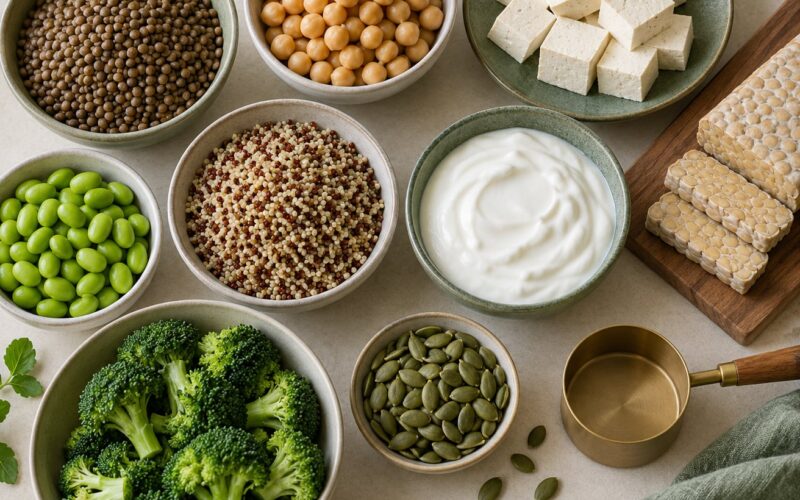
Plant protein is made from legumes, seeds and grains, dried and milled. Pea is the backbone of most powders because it is cheap, neutral-tasting and high in protein; rice and soy are blended in to round out the amino acid profile.
| Source | Strength | Weakness | Note |
|---|---|---|---|
| Pea | High protein, neutral taste, vegan | Low in methionine, can cause gas | Common FODMAP source for IBS |
| Soy | Complete on its own, well-studied, high quality | Taste and allergen concerns for some | A common FODMAP source too |
| Brown rice | Complements the amino acids in pea | Low leucine on its own | Usually sold as a 2:1 rice-to-pea blend |
| Hemp | Contains all nine essential amino acids | Low protein per scoop, earthy taste | Better as a blend component |
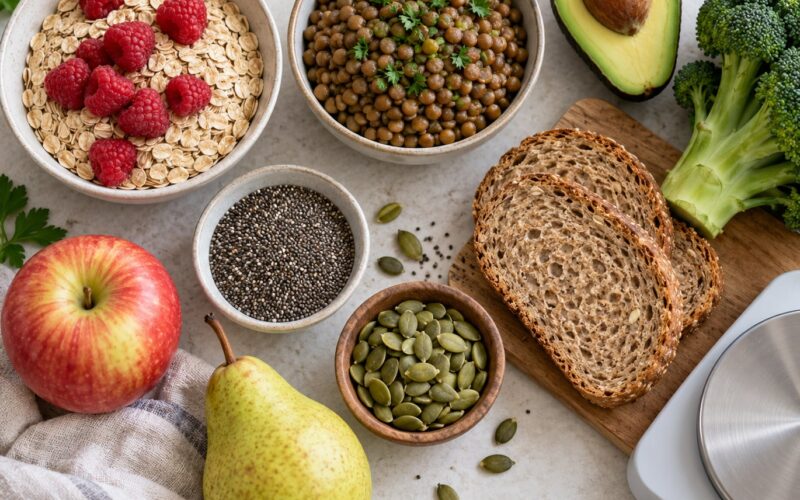
A blended pea-and-rice powder is genuinely complete. A single-source pea powder is not, which is the one technical criticism that actually holds up. Most plant powders also carry a few grams of fibre, which whey never will, and fibre is one of the most useful things you can add to a deficit.
Forum users describe plant protein as tasting more earthy and mixing thicker than whey, though newer flavour systems have closed much of that gap. The other recurring complaint is cost per serving and the smaller serving count on the tub.
Which Protein Helps with Weight Loss More?
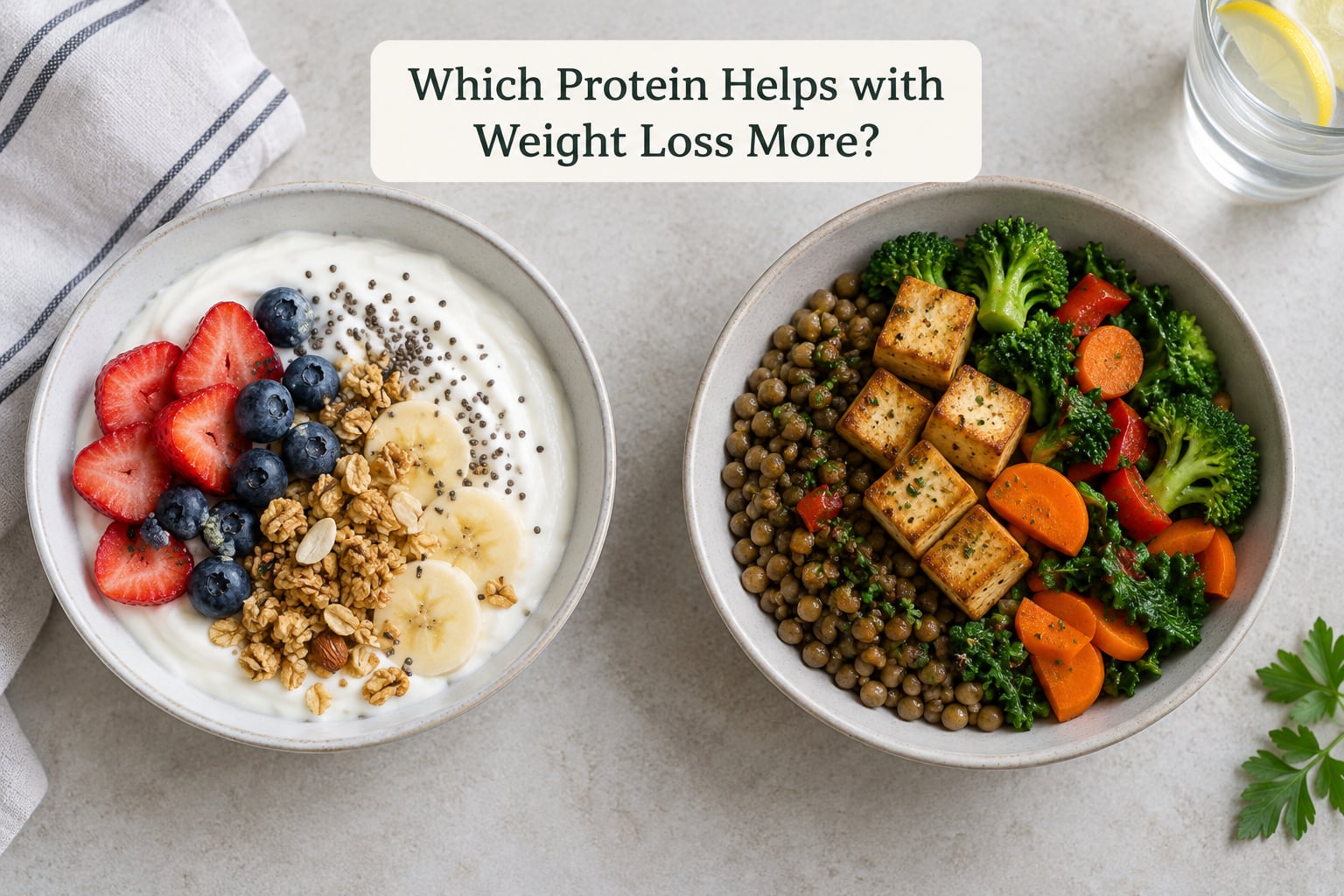
Neither one. Protein type ranks third, behind total calories and hitting your protein target at all. A powder is a tool for meeting a target you can hit consistently, and both types do that job about equally well for fat loss.
What protein does for fat loss: three mechanisms
1. Satiety. Protein is the most filling macronutrient per calorie, and higher-protein meals reliably lead to lower spontaneous calorie intake across the rest of the day. This is the mechanism people notice first: they stop being hungry between meals and stop evening snacking.
2. Diet-induced thermogenesis. Digesting protein burns roughly 20-30% of its own calories, more than carbohydrate or fat. That is a real effect, though it is smaller than most marketing implies and it does not override your total intake.
3. Lean mass retention. Leucine switches on muscle protein synthesis. In a deficit, that is what keeps the weight you lose coming mostly from fat rather than muscle, and it is the mechanism most likely to give whey a narrow edge on a hard cut.
Plenty of people report gaining weight while using protein powder. In every case I have read about, the powder was the problem in one of two ways: the calories were added on top of a normal diet rather than replacing a meal, or the scoop was concentrate with enough fat and carbohydrate to matter across a daily habit. Neither error is about whey versus plant.
Protein Quality and Amino Acids
Protein quality is a formal measure of how well a protein supplies the essential amino acids you cannot make yourself. Whey is complete on its own; plant proteins usually need to be blended, and soy is the main exception that does not.
For weight loss, the practical gap is narrower than the marketing suggests. Two things decide it: how much total protein you eat, and whether you lift weights. If you are not training, the difference between 2.5 g and 3 g of leucine per meal changes little. If you are training through a cut, leucine matters more, because that is when muscle retention is actually under pressure.
Most adults do not need a perfectly matched amino acid profile at every single meal. Total daily protein, spread across the day, does more work than any one plate. Dietitians generally frame the target as around 1.6 g per kilogram of bodyweight, with the upper end of the range used by people who are in a deficit or training heavily.
One number worth knowing if you eat plant-based: plant blends carry less leucine per calorie, so many nutrition sources suggest 40-60 g of protein in a single shake rather than a standard 25 g scoop. Forum users describe exactly this two-phase experience. The shake seemed to do nothing, then it worked once they raised the dose.
Calories, Satiety, and Fullness
Read the label twice when you are cutting. The number that matters is not calories per scoop, it is protein per 100 kcal. A 30 g scoop of isolate at 115 kcal gives you roughly 26 g of protein per 100 kcal, while a 25 g scoop of plant blend at 140 kcal gives you closer to 18 g. Over a month of daily use, that gap is a few hundred calories a day.
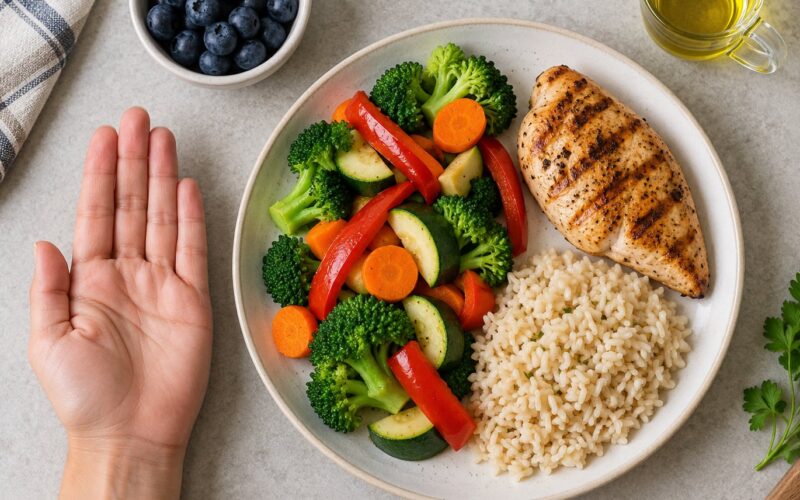
Whole food wins on this axis in a way powder never will. Lentils, tofu, eggs and Greek yogurt bring volume, water and fibre with them, and you have to chew them, which slows eating down. A shake is liquid, goes down in ninety seconds, and is easy to add rather than substitute.
Protein also sits better than refined carbohydrate for appetite control because it slows gastric emptying and blunts the glucose swing that drives the next snack. Plant protein tends to extend fullness a little beyond whey because it digests more slowly, which is why people who switched report that fullness lasts longer.
A practical test: build both meals for a week, weigh them, and see which one holds you to your calorie target without evening snacking. That beats any table on the internet, including this one.
Digestion and Food Sensitivity
Three different problems get lumped together under dairy intolerance, and they have three different answers.
Lactose intolerance is about the enzyme lactase, not about protein. Concentrate contains real lactose; isolate contains almost none. Most lactose-intolerant people tolerate whey isolate fine. That is a fixable problem rather than a reason to switch to plants.
Milk allergy is an immune reaction to milk proteins, and it is not dose-dependent. Anyone with a confirmed milk allergy should avoid whey entirely, isolate or not, and carry an epinephrine auto-injector if their clinician prescribed one. Plant protein is the only option of the two.
Irritable bowel syndrome is a third thing. Pea and soy are both high in FODMAPs, fermentable carbohydrates that feed the bacteria behind IBS gas and bloating. So a plant powder can be harder on the gut than whey, not easier. This is the single most common plant protein complaint in forums, and it is worth testing a low-FODMAP or soy-free blend before you write the category off.
Persistent bloating, pain or a change in bowel habits after a powder is a reason to stop guessing and see a doctor. If you have kidney disease, that conversation comes before any powder does.
How to Choose the Right Protein for Your Goals
Work through this in order, and most questions answer themselves.
- Set your calorie budget first. Pick the powder that fits inside it. This eliminates most options immediately.
- Check your protein target. Around 1.6 g per kilogram of bodyweight is a reasonable working figure for a cut, higher if you train hard. Decide whether food gets you most of the way and the powder covers the gap.
- Rule out what you cannot digest. Milk allergy rules out whey. Lactose intolerance usually does not rule out isolate. FODMAP sensitivity should push you toward a soy-free or low-FODMAP blend rather than pea.
- Match the form to the moment. A fast shake before an early session, a thicker blend as a meal replacement, or a scoop stirred into oats and yoghurt are three different jobs.
- Compare protein per 100 kcal, not scoop price. Bigger tubs with fewer servings per container cost more per useful gram.
- Test it for two weeks before committing. Taste, mixability and how you feel decide more than any label.
On usage inside a deficit: treat a shake as a planned replacement, not an addition. A shake sitting on top of a full day of food is the most common way people gain weight while believing they are cutting.
Which Should You Choose?
Here is the verdict per situation rather than a shrug.
- Cutting hard and training regularly: whey isolate. More protein per calorie and more leucine per scoop, which is exactly what a cut asks for.
- Training first thing in the morning: whey. It digests fast and fits a small pre-session window that heavier plant fibre will not.
- Dairy-free or vegan: a blended pea-and-rice powder, dosed at 40-60 g of protein to close the leucine gap.
- Lactose intolerant: whey isolate, not plants. You probably do not need to change protein types at all.
- Milk allergy: plant protein. There is no version of this conversation where whey is on the table.
- IBS or FODMAP sensitive: a soy-free or low-FODMAP plant blend, or whey isolate if pea keeps triggering symptoms.
- Budget-conscious: whatever hits your protein target with the most protein per 100 kcal. Often a plain unflavoured powder in larger tubs.
- Battling hunger: food first, then protein. Fibre and volume from whole foods will beat any shake on fullness.
If you tolerate dairy and want one powder to do everything, that is whey isolate. If you eat a plant-forward diet and want to raise your protein without adding dairy to a system that works, that is a blended plant powder at a full dose. Many people I read about land somewhere between the two: plants for daily eating, a shake after training.
Frequently Asked Questions
Is plant protein better than whey for weight loss?
Not in any meaningful way for fat loss. Both work if they help you hit your protein target inside a calorie deficit. Plant protein tends to keep you full slightly longer and adds fibre, while whey isolate offers more protein per calorie and more leucine per scoop, which matters more if you are lifting hard through a cut.
How much protein do I need per day on a weight loss plan?
Around 1.6 g per kilogram of bodyweight is a common working target for a cut, with the upper end used by people training heavily or in a deeper deficit. Spread it across three or four meals rather than one large shake. If you are not training, the difference between the low and high end is small, and total calories still matter more.
Does protein powder stop me losing muscle while cutting?
It helps, but it is not automatic. Adequate daily protein plus resistance training are what preserve lean mass in a deficit, and protein powder simply makes the protein number easier to reach. If you lift and hit roughly 1.6 g per kilogram, the type matters far less than the consistency.
Why do I feel bloated after whey protein?
Usually one of four things: lactose in concentrate, fast intake on an empty stomach, an artificial sweetener, or simply drinking calories on top of your normal food. Switch to isolate, drink it slower with food, and check whether it is replacing a meal. If bloating persists, speak to a doctor rather than switching products blind.
How much plant protein do I need to match a scoop of whey?
Plant blends carry less leucine per calorie, so many nutrition sources suggest 40-60 g of protein in a single shake rather than a standard 25 g scoop. Using a blend rather than a single plant source matters too, since pea alone is limited in methionine while pea-and-rice combinations are complete.
Conclusion
Protein type does not decide your fat loss. Calories do, followed by whether you hit your protein target and lift weights. Pick the powder you can eat every day without bloating, within a calorie budget you set first.
If dairy sits fine with you and you are cutting hard, start with whey isolate. If you eat plant-forward or avoid dairy, start with a blended pea-and-rice powder at 40-60 g of protein per shake. Do it for two weeks before you judge it, and take persistent digestive symptoms to a doctor rather than working around them.