Learning how to eat enough protein as a vegetarian is mostly arithmetic, not willpower. Most adults need about 0.8 grams of protein per kilogram of body weight, and a plant-forward diet reaches that number comfortably once you spread protein across meals instead of hoping one dinner covers it. The method that works is a daily target, a per-meal target, and a short list of foods you genuinely enjoy eating.
Protein anxiety is the single most common thing that knocks new vegetarians off course. Tracking apps flag plant diets as chronically short, often because the app is comparing you against a target built for meat eaters, or because a dry weight got logged where a cooked weight belonged. Fix the two errors and the numbers stop looking alarming.
This guide walks through the whole system: how to estimate your target, which foods deliver the most grams for the least effort, how to pair them, and how to check your plates without weighing food for the rest of your life. It is general nutrition information, not individual medical advice. If you are pregnant, managing a kidney condition, have a history of disordered eating, or are training for a specific event, talk to a registered dietitian or your doctor about your own numbers.
Table of Contents
- What You Need
- Step-by-Step: How to Eat Enough Protein as a Vegetarian
- Step 1: Estimate Your Protein Needs
- Step 2: Choose Protein Sources You Enjoy
- Step 3: Pair Foods That Work Together
- Step 4: Build Protein Into Every Meal
- Step 5: Check Your Plates and Adjust
- Common Mistakes
- Frequently Asked Questions
- Do vegetarians need protein powder?
- Do I need to combine plant proteins at the same meal?
- Can I build muscle as a vegetarian without whey?
- How much protein should I eat per meal?
- Is a high-protein vegetarian diet safe for my kidneys?
- What is the cheapest way to get protein on a vegetarian diet?
- Conclusion
What You Need
Four things make this process work, and none of them cost money or require a special membership.
A gram target. One number for the whole day, calculated from your body weight and how much you move. Without it, “eat more protein” turns into “eat more of everything,” which rarely works.
A short personal protein list. Six to ten foods, sorted by grams per real serving. Six is enough. I keep one in my phone notes and glance at it when I am planning a shop, because the goal is a default you stop thinking about.
One way to check numbers. Package labels, a food diary, or a tracking app for three days. Choose one, use it briefly, and let it go. Long-term obsessive tracking is its own problem, and I have seen it turn a healthy habit into an unhealthy one.
A way to plan meals and snacks. Even a loose plan beats improvising. Cooking a pot of lentils or a tray of roasted chickpeas on Sunday does more for your protein intake than any single food you could add at the dinner table on Wednesday.
Your actual needs shift with body size, age, activity, pregnancy, and health conditions. What follows is the general guidance published in the Dietary Reference Intakes and repeated by mainstream health bodies, plus the higher ranges commonly used in sports nutrition. Treat it as a starting point to discuss with a professional, not a prescription.
Step-by-Step: How to Eat Enough Protein as a Vegetarian
Step 1: Estimate Your Protein Needs
The baseline for adults is 0.8 grams per kilogram of body weight per day, which is the Recommended Dietary Allowance set by the Institute of Medicine. Because plant proteins are digested slightly less efficiently than animal proteins, many dietitians suggest working a little higher, around 0.9 to 1.0 grams per kilogram, if your diet is mostly plant-based.
People who lift weights, are in a calorie deficit, are over 50, or are losing weight fast are usually advised to aim higher still, in the 1.2 to 2.0 grams per kilogram range. The conversion people use most often in forums is 0.38 grams per pound of body weight, which lands very close to 0.8 grams per kilogram.
Here is what that looks like across common body weights, using the sedentary baseline, a moderate plant-based figure, and a strength-training figure.
| Body weight | 0.8 g/kg baseline | 1.0 g/kg plant-based | 1.6 g/kg strength training |
|---|---|---|---|
| 60 kg (132 lb) | 48 g | 60 g | 96 g |
| 70 kg (154 lb) | 56 g | 70 g | 112 g |
| 80 kg (176 lb) | 64 g | 80 g | 128 g |
| 90 kg (198 lb) | 72 g | 90 g | 144 g |
| 100 kg (220 lb) | 80 g | 100 g | 160 g |
A worked example: a 150-pound adult is roughly 68 kilograms. At 0.8 grams per kilogram that is about 54 grams a day. At the plant-based 0.9 to 1.0 range it becomes 61 to 68 grams. If that person lifts weights three or four times a week, 1.6 grams per kilogram takes the target to about 109 grams.
One caution on weight loss. Chasing the highest possible protein intake while also cutting calories is a bad trade, because protein is the most filling nutrient per calorie. If you are dieting, the useful order is: eat enough total calories to feel well, then set protein at roughly 1.2 to 1.6 grams per kilogram, then divide that across meals. Meal timing matters more than hitting a very high number in one sitting.
A second caution runs the other way. In r/fitmeals threads, vegetarians post screenshots showing well under half the app’s target and describe it as a failure. Part of that gap is a logging error, and part is an app built on a target meant for a different population. Compare your intake to your own target, not to a stranger’s chart.
Step 2: Choose Protein Sources You Enjoy
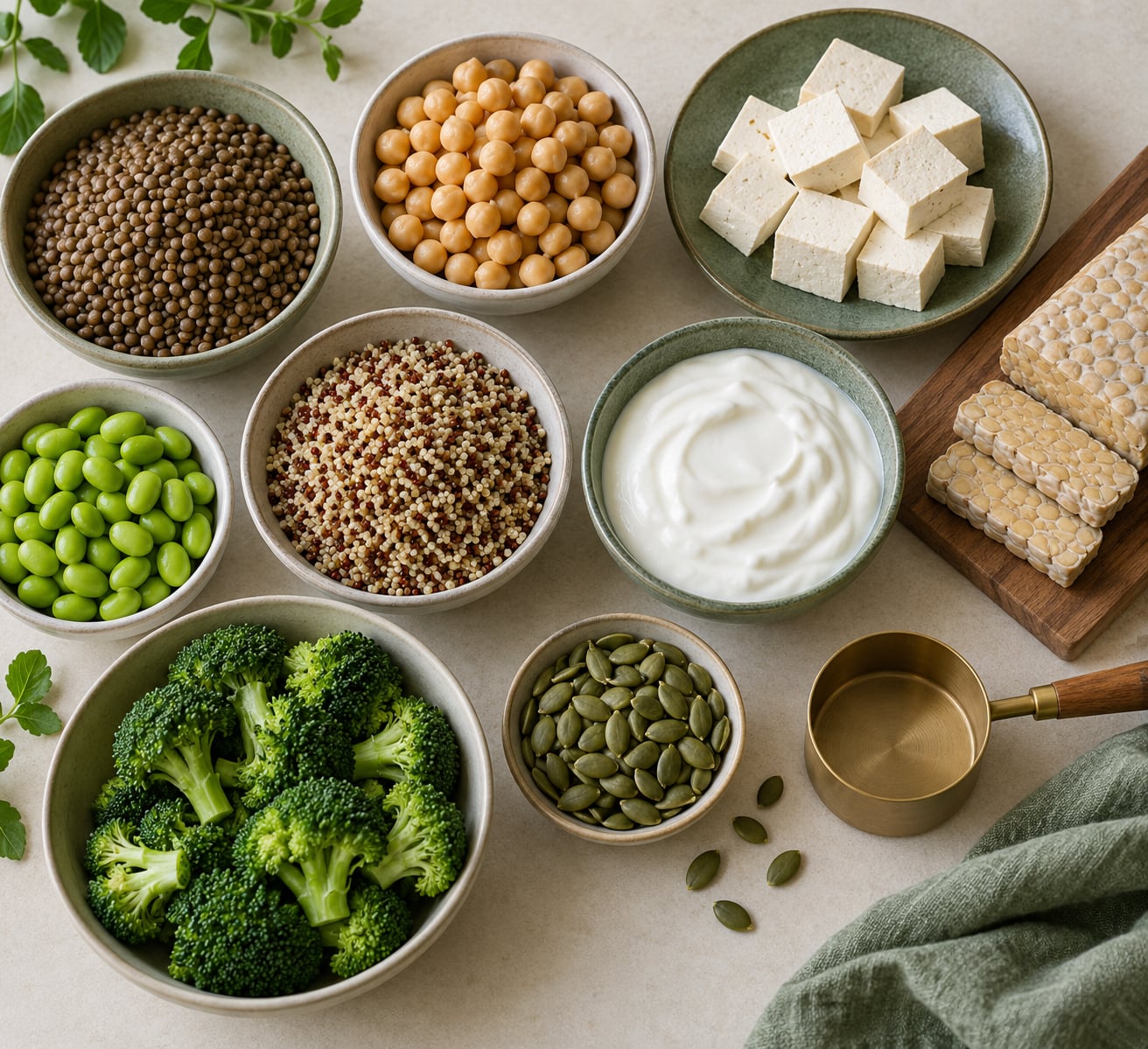
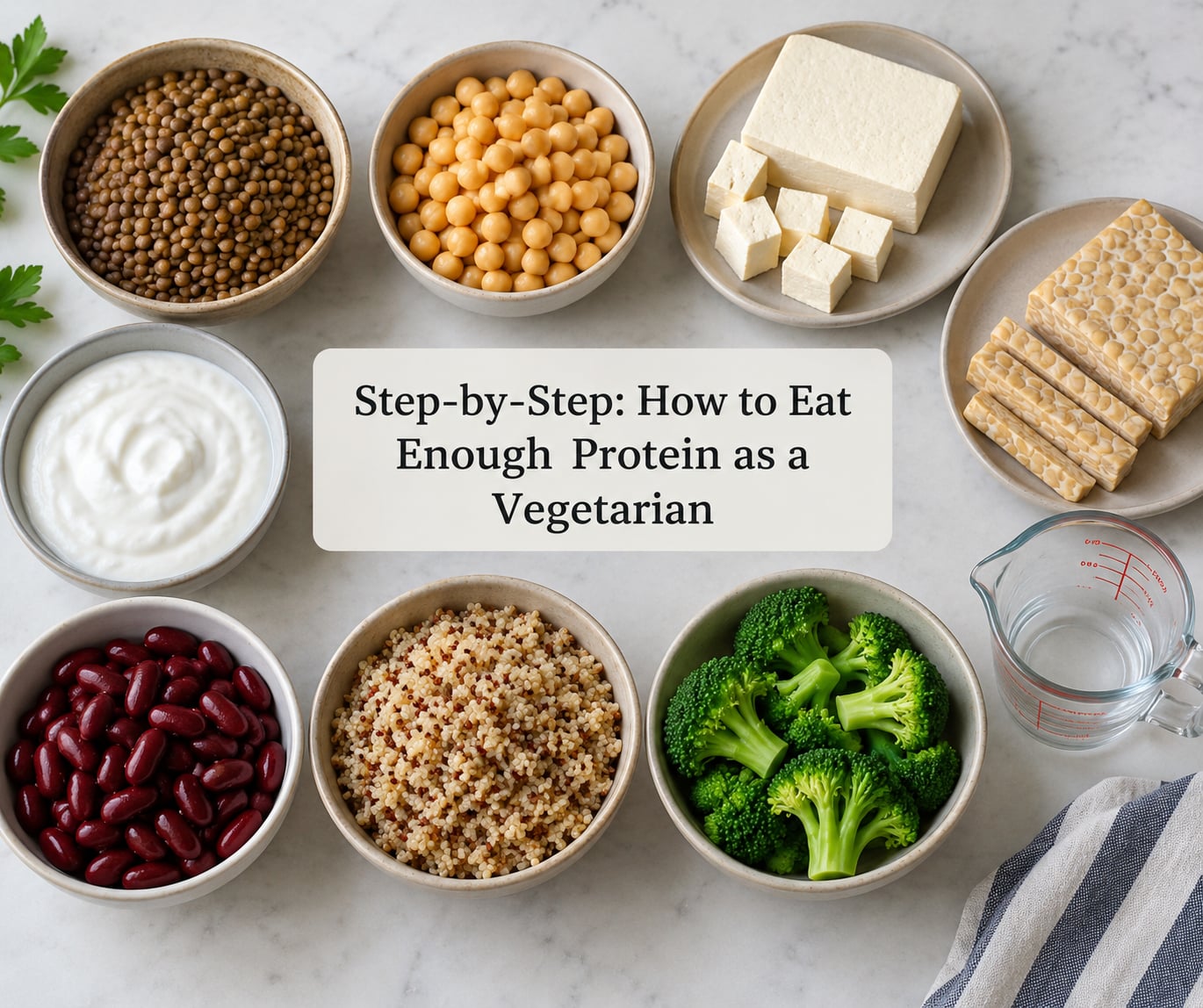
The fastest way to sort vegetarian proteins is by the job they do in your day. Soy foods and legumes are the heavy hitters. Dairy and eggs are efficient and, for most vegetarians, the simplest thing on the list. Nuts and seeds add calories cheaply, which matters. Whole grains and vegetables round out a normal meal.
Grams per serving are only useful when the serving matches what you would actually put on a plate, so the table below uses real portions and labels the cooked or dry state. That last detail causes more confusion than anything else in protein tracking: lentils roughly triple in volume when cooked, so a cup of dry lentils and a cup of cooked lentils are very different numbers.
| Food | Real serving | Protein |
|---|---|---|
| Tempeh | half cup, cooked | about 19 g |
| Seitan | 3 oz | about 22 g |
| Firm tofu | half cup | about 12-17 g |
| Edamame | 1 cup, cooked, shelled | about 17 g |
| Textured vegetable protein | quarter cup, dry | about 9 g |
| Pea protein powder | 1 scoop | about 20-25 g |
| Lentils | 1 cup, cooked | about 18 g |
| Black beans | 1 cup, cooked | about 15 g |
| Chickpeas | 1 cup, cooked | about 14 g |
| Split pea soup | 1 cup | about 14 g |
| Nonfat Greek yogurt | three-quarter cup | about 17 g |
| Cottage cheese | half cup | about 13 g |
| Egg | 1 large | about 6 g |
| Egg whites | 3 large | about 11 g |
| Soy milk, unsweetened | 1 cup | about 8 g |
| Soy yogurt | three-quarter cup | about 8 g |
| Hemp seeds | 3 tbsp | about 10 g |
| Pumpkin seeds | 1 oz | about 9 g |
| Peanut butter | 2 tbsp | about 8 g |
| Peanuts | 1 oz | about 8 g |
| Almonds | 1 oz | about 6 g |
| Quinoa | 1 cup, cooked | about 8 g |
| Oats | half cup, dry | about 5 g |
| Whole wheat bread | 2 slices | about 5-8 g |
| Chickpeas, canned | half cup, drained | about 7 g |
| Hummus | quarter cup | about 6 g |
| Green peas | 1 cup, cooked | about 8 g |
| Nutritional yeast | 2 tbsp | about 4 g |
| Chia seeds | 1 tbsp | about 2 g |
Two habits make this list more useful in practice. First, buy two foods per category rather than one, so no single item has to carry your whole week. A week with tofu, tempeh, lentils, black beans, chickpeas, Greek yogurt, eggs, and a nut butter on the shelf is a week where protein stops being a question.
Second, notice which foods give you protein with few calories attached. Cottage cheese, Greek yogurt, and egg whites do. Nuts, nut butter, and cheese do not, and they are easy to overshoot. On a weight-loss plan, most of your protein grams should come from the first group, with nuts and cheese as garnish rather than as the main event.
One more thing about plant sources, since it affects how you eat them: non-heme iron from beans, lentils, and tofu absorbs better alongside vitamin C. A bowl of lentil soup with a squeeze of lemon, or chickpeas with peppers, does more for iron intake than the lentils alone. That is a free improvement, and it matters more to vegetarians than the protein question does.
Step 3: Pair Foods That Work Together
Protein is made of amino acids, nine of which your body cannot manufacture and has to get from food. A food containing all nine is called a complete protein. Most animal foods qualify. Almost no single plant food does, which is where the combining rule comes from.
Here is the part that gets overstated. Grains are relatively low in lysine. Legumes are relatively low in methionine. Eat rice and beans in the same bowl and you have covered both. But you do not have to do it at every single meal, and you do not have to treat it as a rule. Across a day of varied eating, the gaps close on their own.
Readers in plant-based diet forums often say the same thing from different angles: the RDA is about 0.38 grams per pound, and beans are fine. The pairing below is a helpful habit, not a requirement you can fail.
| Pair | Why it works |
|---|---|
| Rice and beans | Grain supplies methionine, legume supplies lysine |
| Hummus and whole wheat pita | Chickpea plus grain, roughly 12 g together |
| Lentil soup and whole wheat bread | Legume plus grain, a classic pairing |
| Peanut butter and whole grain bread | Nuts and seeds plus grain, easy at breakfast |
| Beans and corn tortillas | Legume plus grain in one meal |
| Oats and fortified soy milk | Grain plus soy, about 13 g in a bowl |
| Greek yogurt and granola | Dairy plus grain, about 22 g in the bowl |
| Tofu and brown rice | Soy plus grain, about 21 g together |
Quinoa, soy, and buckwheat are the plant standouts that contain all nine essential amino acids in reasonable amounts. Everything else works better in company.
So the practical rule is this: build each meal around one protein anchor, eat a grain or seed alongside it now and then, and let variety across the day handle the rest. That is easier to sustain than any combining schedule, and it survives a busy week.
Step 4: Build Protein Into Every Meal
Protein is much easier to reach when it is spread across the day. A useful target for most adults is 25 to 30 grams at each of three meals, with a snack if you need it. That shape works whether the day totals 70 grams or 110.
Breakfast. The usual gap. Most people manage 10 grams and then try to make up the difference at dinner. Instead, anchor the meal: Greek yogurt with nuts and seeds, oatmeal made with fortified soy milk, cottage cheese with tomato and toast, or a tofu scramble with black beans. If you like the savoury route, savoury oatmeal cooked in vegetable broth with sautéed vegetables and a ladle of lentils is a recurring answer in cooking forums, and it is genuinely good on a cold morning.
Lunch. This is the easiest meal to fix because so many lunches already contain a protein. A cup of lentil soup, a chickpea and quinoa salad, hummus and vegetables in a pita, or leftover bean chili from a batch you cooked on Sunday. Add a handful of pumpkin seeds or a hard-boiled egg and you are near 25 grams without trying.
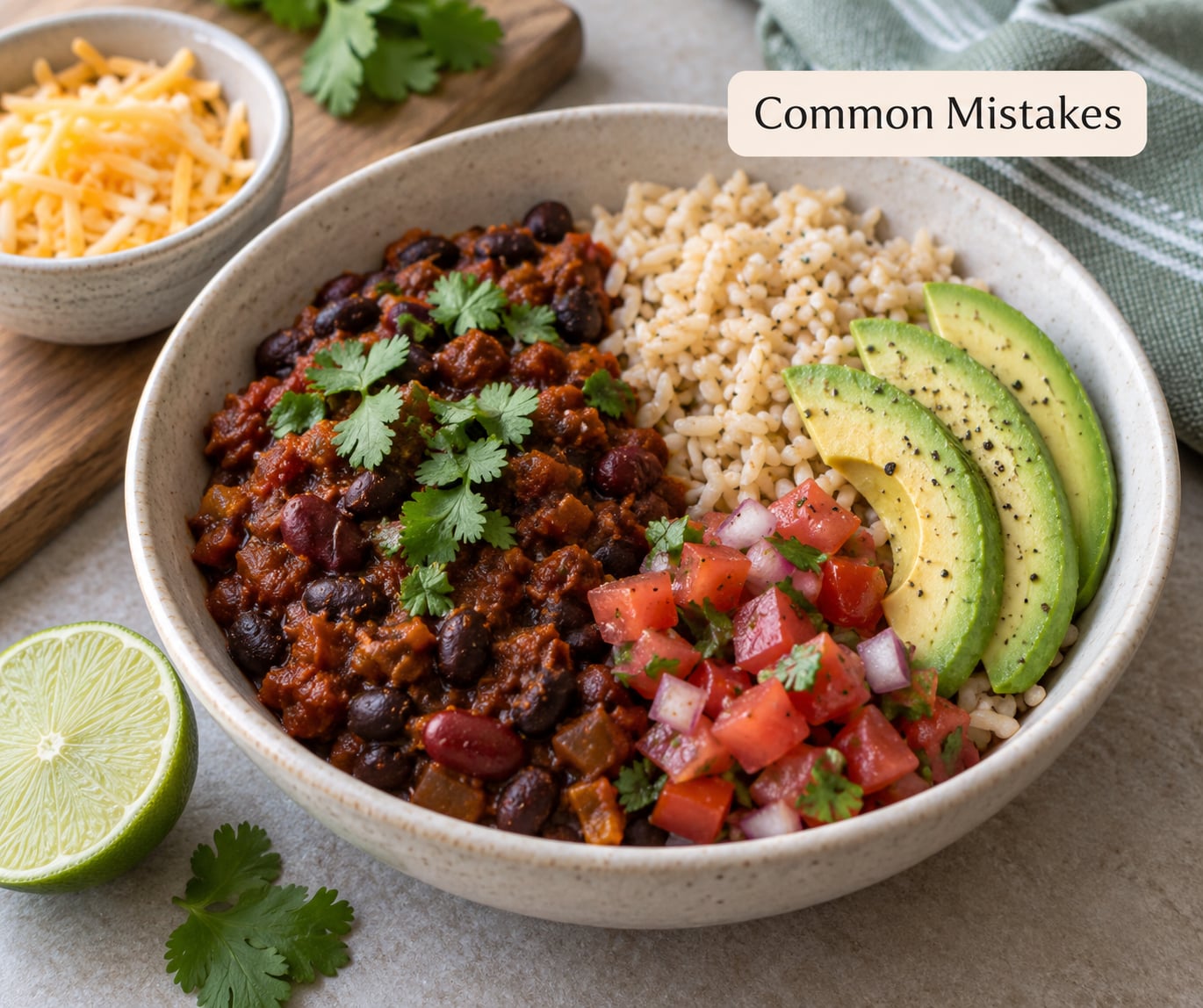
Dinner. Build around tofu, tempeh, seitan, or a bean and grain combination. Tofu with brown rice and broccoli lands near 30 grams. Bean chili with avocado and a scoop of yogurt-based topping does the same. A plate of pasta with lentil or chickpea sauce and a salad with hemp seeds works too.
Snacks. The underrated slot. Cottage cheese, a boiled egg, roasted chickpeas, edamame, apple slices with peanut butter, or a handful of almonds. One or two of these a day quietly adds 15 to 20 grams without a meal.
Here is what a full day looks like at roughly 90 grams, with vegan swaps in brackets.
| Meal | What is on the plate | Protein |
|---|---|---|
| Breakfast | Oats made with fortified soy milk, 2 tbsp hemp seeds, a tbsp of peanut butter [soy yogurt with granola if dairy-free] | about 22 g |
| Lunch | Chickpea and quinoa salad with cucumber, tomato, and pumpkin seeds | about 20 g |
| Snack | Cottage cheese with berries [soy yogurt plus a handful of roasted chickpeas] | about 13 g |
| Dinner | Tempeh and brown rice with broccoli, cooked in vegetable broth | about 30 g |
| Evening | Apple with peanut butter, or a boiled egg | about 8 g |
That is about 93 grams across five eating events, and nothing on the list is unusual. Reaching 100 grams is a matter of adding a scoop of powder or a second protein anchor, not of eating more food overall.
Step 5: Check Your Plates and Adjust
Knowing how to eat enough protein as a vegetarian includes checking, at least for a while. Do it for three days, not forever.
Start with labels. Every packaged food lists protein per serving, and the serving size is right there too, which settles most of the confusion. For restaurant and homemade food, a tracking app for three days gives you a reasonable picture. The mistake that makes apps unreliable for plant diets is mixing states: log a cup of cooked lentils, not the dry amount that produced it.
After three days, look at the pattern rather than the total. If breakfast is always under 15 grams and dinner carries everything, you already know the fix. If you are consistently short by 20 to 30 grams, add one protein anchor to two meals a day for a week and recheck.
Now the part that matters more than the app. The better signals are:
- You go three to four hours between meals without thinking about food.
- You recover from a workout without dragging for two days.
- Hair shedding slows and nails stop breaking as easily.
- Warmth and energy hold steady through the afternoon.
- Body measurements shift slowly in the direction you want, even when the scale barely moves.
Scale weight alone is a poor guide here. It moves with water, salt, carbohydrates, and bowel habits, and it cannot tell you whether you kept muscle. If you are strength training, your lifts and your waist measurement are more informative than the number on the scale.
One lived account is worth repeating, because it is more specific than any symptom list. A poster in r/vegan described noticing their lips peeling and their sleep breaking down, then reviewing the week and recognising they had simply not made an effort to eat enough protein. Fatigue and poor recovery are often the first things people notice, and they are easy to blame on stress or a bad week at work.
If something feels wrong persistently, take it to a doctor rather than adjusting your macros alone. Appetite changes, ongoing fatigue, hair loss, and slow healing can have many causes, and a clinician can check the ones that matter.
Common Mistakes
Relying on one protein. Chickpeas at every meal sounds virtuous and tops out around 15 grams a serving. Rotate across at least four anchors from at least three categories before you judge whether vegetarian eating works for you.
Skipping breakfast. The cleanest fix is to keep two ready-to-eat breakfast proteins in the house. A tub of Greek yogurt and a bag of frozen edamame take no planning and rescue a bad morning.
Treating protein powder as the whole answer. Powder is a convenient single serving of 20 to 25 grams, not a meal. On a training forum, people hit a 1.5 gram per kilogram target by adding one to three drinks a day, which works, but only after food is already doing most of the job.
Overeating nuts and cheese. Almonds are about 6 grams an ounce and peanut butter about 8 grams for two tablespoons, which sounds efficient until you notice the calories. A tablespoon of seeds in a salad is a good choice. Half a jar of nut butter is a different category.
Ignoring calories while chasing protein. This is the mistake that causes constant hunger, which gets misread as low protein. You can hit 80 grams of protein and still be under-eating overall. Fix the calorie total first, then distribute the protein.
Trusting the app over the label. Apps routinely show plant eaters as chronically short, and dry-versus-cooked errors make it worse. Verify one or two entries against the package and stop auditing the rest.
A few habits that hold up better than any of the fixes above: cook a batch of beans or lentils and keep portions in the freezer, buy tofu and tempeh on a schedule rather than in a panic, and keep frozen edamame on hand for the days when nothing is planned. Shop for the protein first, then the rest of the meal.
Frequently Asked Questions
Do vegetarians need protein powder?
No, and most people do not. Powder is a convenience, useful for one gap in the day rather than a foundation. If your meals already hit 25 to 30 grams at breakfast, lunch, and dinner, whole foods will carry you to 70 grams or more without it. Powder earns its place when you are training at 1.6 grams per kilogram and above, when your appetite is limited, or when you travel often and cannot cook. Choose a pea or soy blend for plant-based use, and treat it as one food among many rather than the diet itself.
Do I need to combine plant proteins at the same meal?
No, not strictly. The idea that incomplete proteins must be paired within a single meal to be useful has been overstated, and most dietitians now recommend variety across the day instead. Grains tend to be lower in lysine and legumes lower in methionine, so pairing them is still a sensible habit, but a day of beans, grains, nuts, seeds, and soy fills the gaps without any fixed schedule. If you like the habit of rice and beans in the same bowl, carry on. Nobody is going to check your meal timings.
Can I build muscle as a vegetarian without whey?
Yes. Soy, dairy, and seitan deliver high-quality protein in large enough amounts, and studies on plant-based diets have found similar strength and body-composition gains to omnivore diets when total protein and training volume are matched. The practical challenge is hitting 1.6 to 2.0 grams per kilogram without large volumes of food, because plant protein is digested a little less efficiently. Most lifters close that gap with a mix of soy, peas, and legumes plus one shake, though a vegan can reach the same number with soy protein and slightly more food.
How much protein should I eat per meal?
Roughly 25 to 30 grams at each of three meals, which is what most sports nutrition guidance recommends for adults. Spreading intake this way supports muscle protein synthesis and keeps you full between meals better than one very large serving at dinner. It is also a forgiving target: some people manage 20 grams at a meal and 35 at the next and land in a good place. If you are only eating around 50 grams a day, per-meal targets are the most effective change you can make.
Is a high-protein vegetarian diet safe for my kidneys?
That question belongs with your doctor, not a search result. For people with healthy kidneys, higher protein intakes within the normal range are generally not a problem, but a plant-forward diet and a high-protein diet are not the same thing, and advice changes if you already have reduced kidney function. Protein needs during pregnancy, dialysis, or existing kidney disease are set differently, and so are the protein targets for children. If kidney disease is in your history or your family, raise it with a registered dietitian before changing your intake.
What is the cheapest way to get protein on a vegetarian diet?
Dried lentils, split peas, and other pulses give you the most protein per unit of cost, and a cup of cooked lentils delivers about 18 grams. Dry textured vegetable protein is the strongest value if you cook with it, at roughly 9 grams a quarter cup dry. Eggs and tofu sit in the middle for a lacto-ovo vegetarian, and beans canned in liquid let you skip soaking and cooking time entirely. Buying in bulk and freezing cooked portions is what actually lowers the cost, since the legumes themselves are rarely the expensive part.
Conclusion
Start with one number. Pick a target from the table, work out roughly 25 to 30 grams per meal, and choose three protein foods you will actually buy this week. Then add one of them to a meal today, before the plan gets a chance to become a plan that never starts.
Consistency beats perfection, and variety across a few days is what covers the amino acids. If your needs are unusual because of pregnancy, an active training block, a medical condition, or a difficult history with food, a registered dietitian can turn a general target into a specific one in a single appointment.