If you want to know how to cut back on sugar in your coffee, here is the short version: measure what you use today, drop it by about a quarter teaspoon at a time, and hold each new level for a week or two. Your palate needs roughly 10 to 14 days to readjust, so a slow taper works far better than quitting cold turkey. A pinch of cinnamon and a splash of unsweetened milk keep the cup worth drinking while that happens.
The math is why people bother. One teaspoon of sugar is 4 grams and about 16 calories, so the two teaspoons in a typical mug are 8 grams and roughly 32 calories. The American Heart Association suggests women keep added sugar under 25 grams a day and men under 38 grams, which makes two teaspoons a substantial share of the daily limit for a drink most people treat as a small habit. Three cups at work quietly triples that.
Table of Contents
- What You Need
- Step-by-Step
- Step 1: Measure Your Current Sugar
- Step 2: How to Cut Back on Sugar in Your Coffee Gradually
- Step 3: Make the Coffee Taste Stronger
- Step 4: Add Flavor Without More Sugar
- Step 5: Adjust the Milk
- Step 6: Settle on a Sustainable Level
- Common Mistakes When You Cut Back on Sugar in Your Coffee
- Frequently Asked Questions
- Can I drink coffee with no added sugar and still lose weight?
- How long does it take to adjust to less sugar in coffee?
- Are artificial sweeteners better than sugar for weight loss?
- How do I reduce sugar in takeaway or cafe coffee?
- Do I need to count the natural sugar in milk?
- Start with One Small Change
What You Need
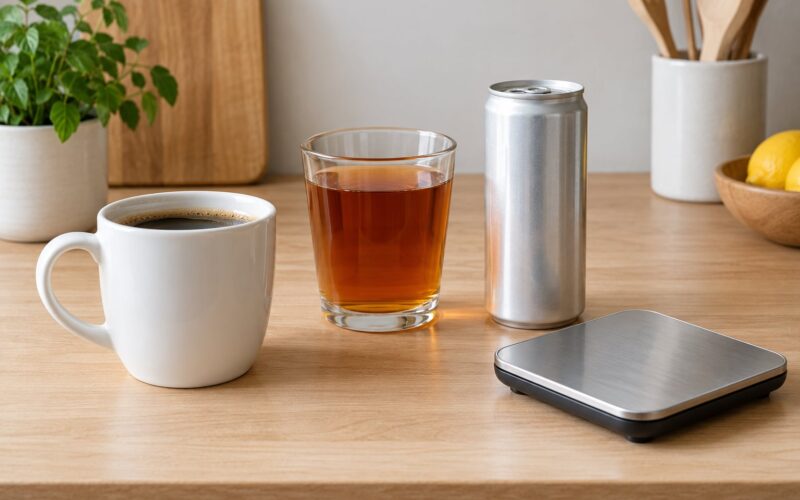
None of this requires gadgets. You need a teaspoon you can level off with a finger, your usual mug, and a few pantry items. That is the whole list.
- A level teaspoon. A heaped spoon can hold closer to 5 grams, so scoop and level every time. Half measures get done with the back of the smallest spoon you own.
- Your usual mug. Measuring the spoon in the same cup you drink from stops you fooling yourself about volume.
- A small kitchen scale, optional. Grams remove the guesswork once you are past the first few weeks. Nothing above one tablespoon happens before that.
- Stronger coffee. Either a bag one roast darker than you buy now, or the same beans brewed a little stronger.
- Unsweetened milk. Plain dairy or a plain oat or almond milk with no added sugar on the label.
- Ground cinnamon and pure vanilla extract. Both last months in a cupboard and both do real work in the taste department.
Step-by-Step
Step 1: Measure Your Current Sugar
For three days, count every teaspoon, packet and pump that goes into one cup, then multiply by the number of cups you drink in a day. Someone using two teaspoons across three cups is at 6 teaspoons, 24 grams and about 96 calories of added sugar before breakfast. Writing the number down matters more than you would think, because most people underestimate it by half.
Separate what you add from what arrives in the cup. A pump of flavored café syrup delivers roughly two teaspoons of sugar, so a single pump equals your whole baseline. Sweetened creamers carry several grams per tablespoon. The lactose in plain milk is a different category, and the American Heart Association counts added sugar, not the naturally occurring sugar in a cup of dairy.
Step 2: How to Cut Back on Sugar in Your Coffee Gradually
Take a quarter teaspoon off and stay there for seven to fourteen days. Taste preferences recalibrate in roughly that window, so moving faster mostly buys you a craving and a relapse. Use a two-teaspoon starting point as an example schedule: week one at one and a half teaspoons, week two at one teaspoon, week three at half a teaspoon, and week four at none or a single quarter teaspoon on the weekend cups.
You will know a level is working when the cup still reads as sweet, you stop reaching for a second biscuit at 10am, and the 3pm slump eases. If a level feels wrong for more than two weeks, hold there rather than forcing the next step. Regulars on the coffee and weight-loss forums describe 25 percent weekly cuts as the pace that stuck, while the same people report hitting a wall when they jumped from one sugar straight to none.
Step 3: Make the Coffee Taste Stronger
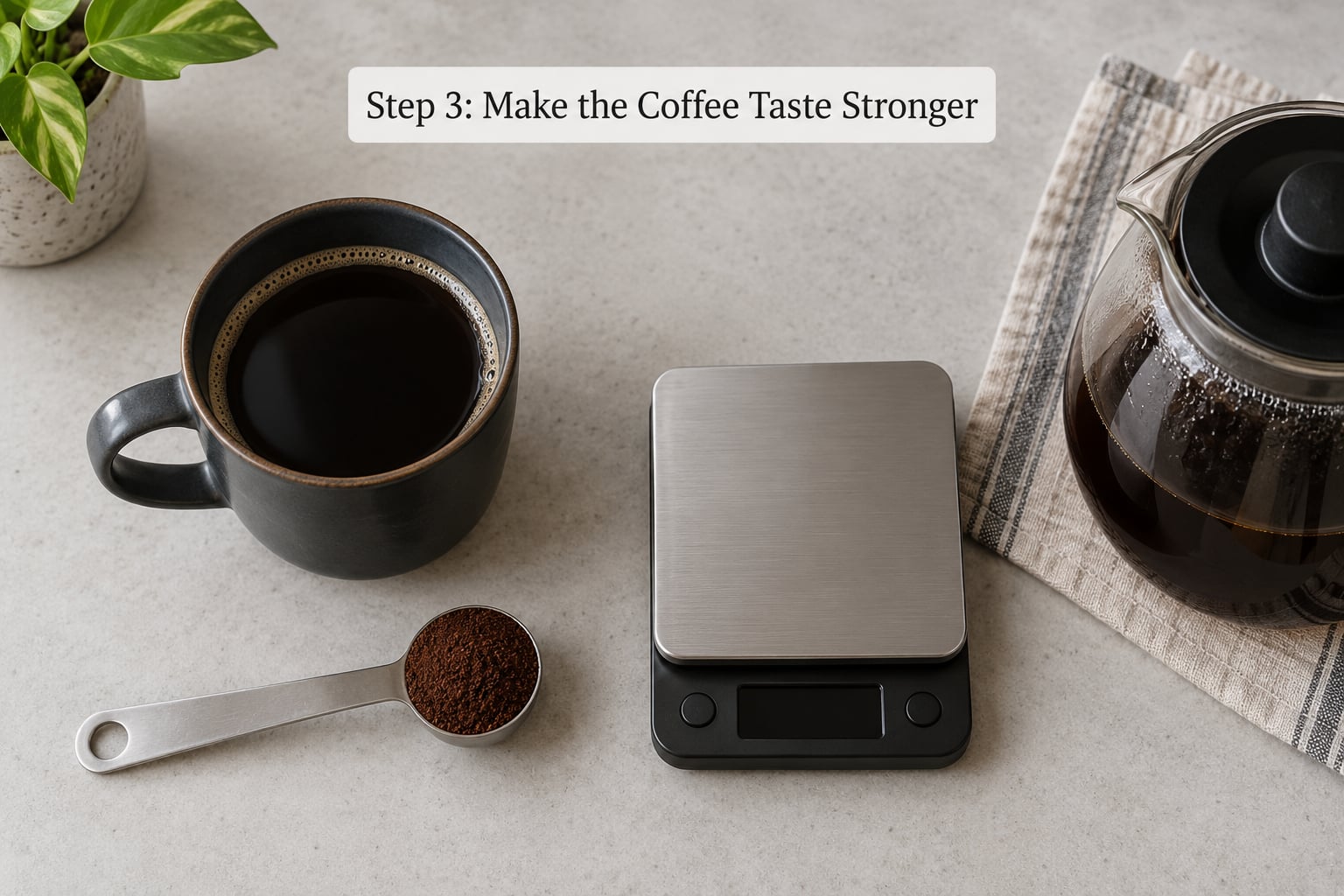
Less sugar exposes a thin cup, so put more coffee in it. Add roughly a tablespoon of extra grounds per 12 ounces, or move a step darker on the roast scale. Medium roast tends to land with chocolate and nutty notes that read as sweet once sugar leaves; cold brew steeped 12 to 18 hours is the other move people praise, because the long steep pulls sweetness without pulling harshness.
If the cup turns bitter, that is a brewing problem, not a willpower problem. Bitter, drying, hollow-tasting coffee usually means over-extraction: grind a little coarser, drop the water a few degrees off the boil, or shorten contact time. Under-extracted coffee tastes sour and thin, which people also chase with sugar. Fixing the brew is what makes the sugar genuinely unnecessary.
Step 4: Add Flavor Without More Sugar
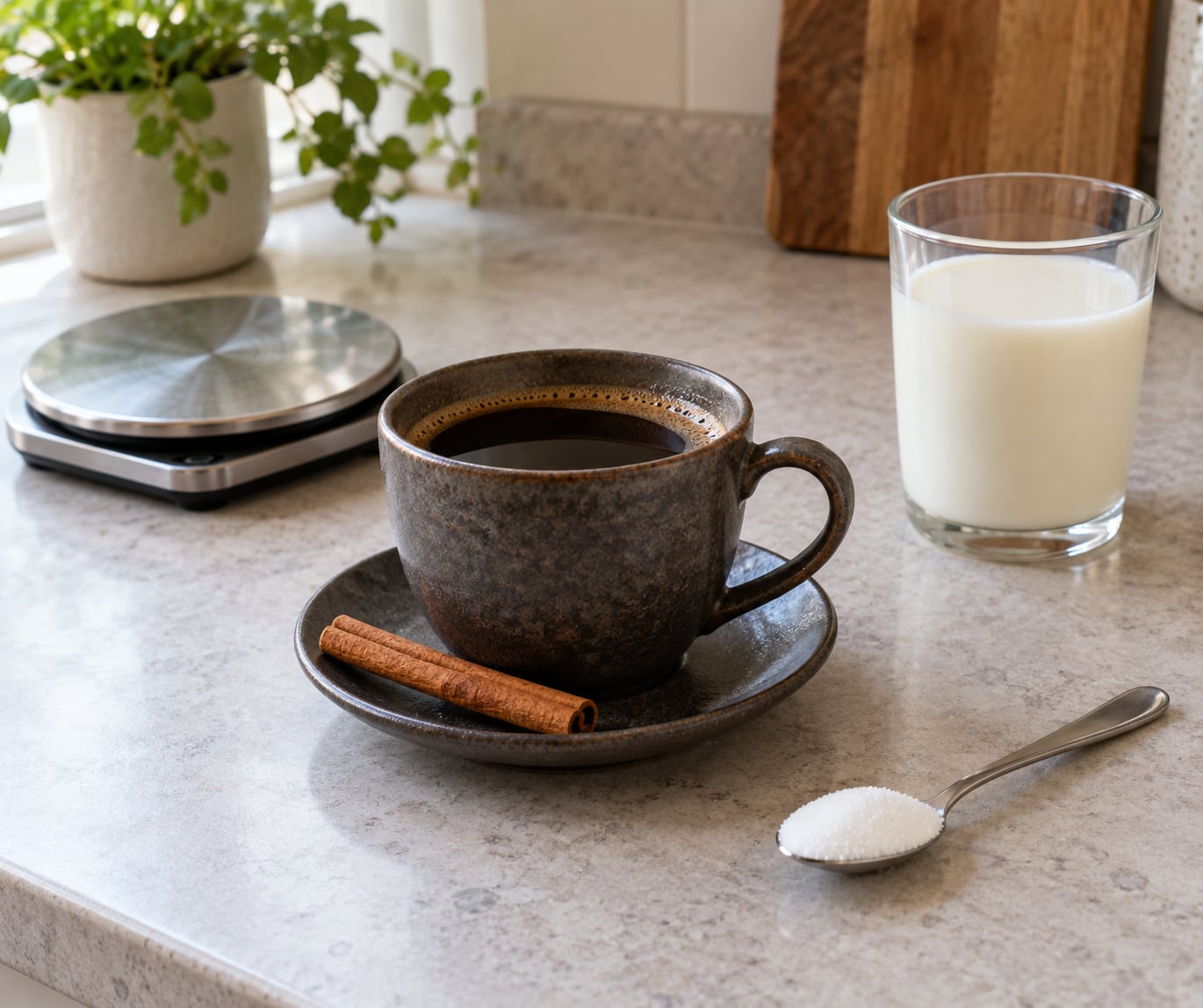
Start with an eighth of a teaspoon of ground cinnamon, or half a stick if you brew in a pot, and let it sit two minutes before drinking so it steeps through. Pure vanilla extract works at a quarter teaspoon. Unsweetened cocoa powder, a pinch of ground cardamom, a strip of orange peel and even a tiny pinch of table salt all register as sweetness to the palate without adding sugar, and salt costs nothing.
Watch the labels on the shortcuts. Honey, agave and maple are still added sugar, often with more sugar per teaspoon than you are using now. Flavored creamers and bottled coffee syrups usually list sugar in the first few ingredients, and sugar-free versions swap in sugar alcohols or other sweeteners rather than removing sweetness. They are a tool, not a reduction, and it helps to know which one you are using.
Step 5: Adjust the Milk
Creaminess is doing a lot of work for you. Plain milk adds sweetness of its own, and oat milk in particular can make a coffee feel rounder and less acidic. When a reduced-sugar cup tastes thin, the fix is usually more milk or a stronger brew, not more sweetener. Check plant milks for added sugar, because a lot of vanilla and chocolate oat drinks carry 7 to 10 grams a cup.
If you use cream, keep it but measure it. A tablespoon of sweetened cream or a pump of flavored foam carries its own sugar, and cream people often add more after the spoon comes out. Unsweetened cold foam on an Americano gives you the texture without the hidden grams.
Step 6: Settle on a Sustainable Level
The goal is the lowest amount you enjoy on an ordinary Tuesday, which for many people is not zero. A quarter teaspoon in four coffees a day is a small habit and a big change from two teaspoons each. Once sweet coffee starts tasting like syrup to you, most drinkers settle around a teaspoon, and plenty keep one fully sweetened cup on purpose.
Watch the whole pattern rather than one mug. Cutting sugar in coffee and then compensating with pastry or an afternoon snack undoes the work, and so does skipping meals so the coffee feels like the treat. Anyone managing blood sugar, weight or a medical condition should talk to a doctor or registered dietitian rather than following a taper from an article, because their advice will be different from a general guideline.
Common Mistakes When You Cut Back on Sugar in Your Coffee
- Going cold turkey. Quitting on day one is the most common reason people bounce back within a week. The fix is a quarter teaspoon every one to two weeks, which is slower and mostly keeps working.
- Counting only the packets. Pumps, creamers, flavored cold foam and café lattes carry the largest loads, often two teaspoons per pump. The fix is to read the label or ask the barista what is in the drink before you order.
- Swapping to a big flavored creamer. It tastes like a dessert and frequently behaves like one, with several grams of sugar per tablespoon. Unsweetened milk and a pinch of cinnamon do the same job honestly.
- Treating bitterness as the price of admission. Nobody enjoys harsh coffee, and sugar is a poor fix for a badly extracted cup. Coarser grind, cooler water, shorter contact time.
- Expecting willpower to carry it. Taste recalibration takes one to two weeks and is not a moral test. Plan the timeline instead of judging yourself daily.
Two habits keep it going. Keep the ritual around the cup, whatever the contents are, because the mug and the seat and the ten quiet minutes matter as much as the recipe. And when you relapse after a holiday or a rough week, do not restart at zero. Drop back one level on the taper and hold it for a week, which is what the people who stay off it long term tend to describe.
Frequently Asked Questions
Can I drink coffee with no added sugar and still lose weight?
Yes, as one part of a calorie difference you can maintain. Removing two teaspoons of sugar from three coffees a day takes about 96 calories out of your day, which adds up across weeks. Coffee on its own will not shift weight, and progress usually stalls once the other parts of the diet change. For weight goals, talk to a registered dietitian rather than leaning on one drink change.
How long does it take to adjust to less sugar in coffee?
Most people report one to two weeks per step, so a full two-teaspoon to no-sugar taper takes a month or a bit more. During the first few days the cup tastes flat and faintly bitter, then the palate catches up and coffee starts tasting sweeter on its own. If a level still feels wrong after two weeks, hold it instead of pushing on.
Are artificial sweeteners better than sugar for weight loss?
They remove sugar calories but they do not retrain your taste buds, so the craving often stays. Stevia, monk fruit and sugar alcohols are useful as a bridge or for anyone advised by a doctor to avoid sugar, and a few studies link some sugar alcohols to digestive discomfort. They work best alongside a gradual reduction rather than instead of one.
How do I reduce sugar in takeaway or cafe coffee?
Order an Americano, latte or cappuccino with no syrup pumps, request unsweetened, and ask for the drink to be made with plain milk. Skip flavored cold foam and sweetened cream, and add an extra shot or a splash of cold foam if you want more body. One pump of flavored syrup is usually about two teaspoons of sugar, which is often more than you use at home.
Do I need to count the natural sugar in milk?
Not for the purpose of cutting added sugar. One cup of whole milk has roughly 12 grams of naturally occurring lactose, and it stays in the cup rather than being added to it, so it does not count toward the added sugar limits that nutrition guidance and product labels refer to. It still matters for overall carbohydrate intake if you are tracking that for health reasons.
Start with One Small Change
Tomorrow morning, count the sugar going into one cup and write it down. Then make the next cup with a quarter teaspoon less, brew it a little stronger, and give it ten to fourteen days before you touch the spoon again. That single step, held properly, does more than a month of quitting and starting over.