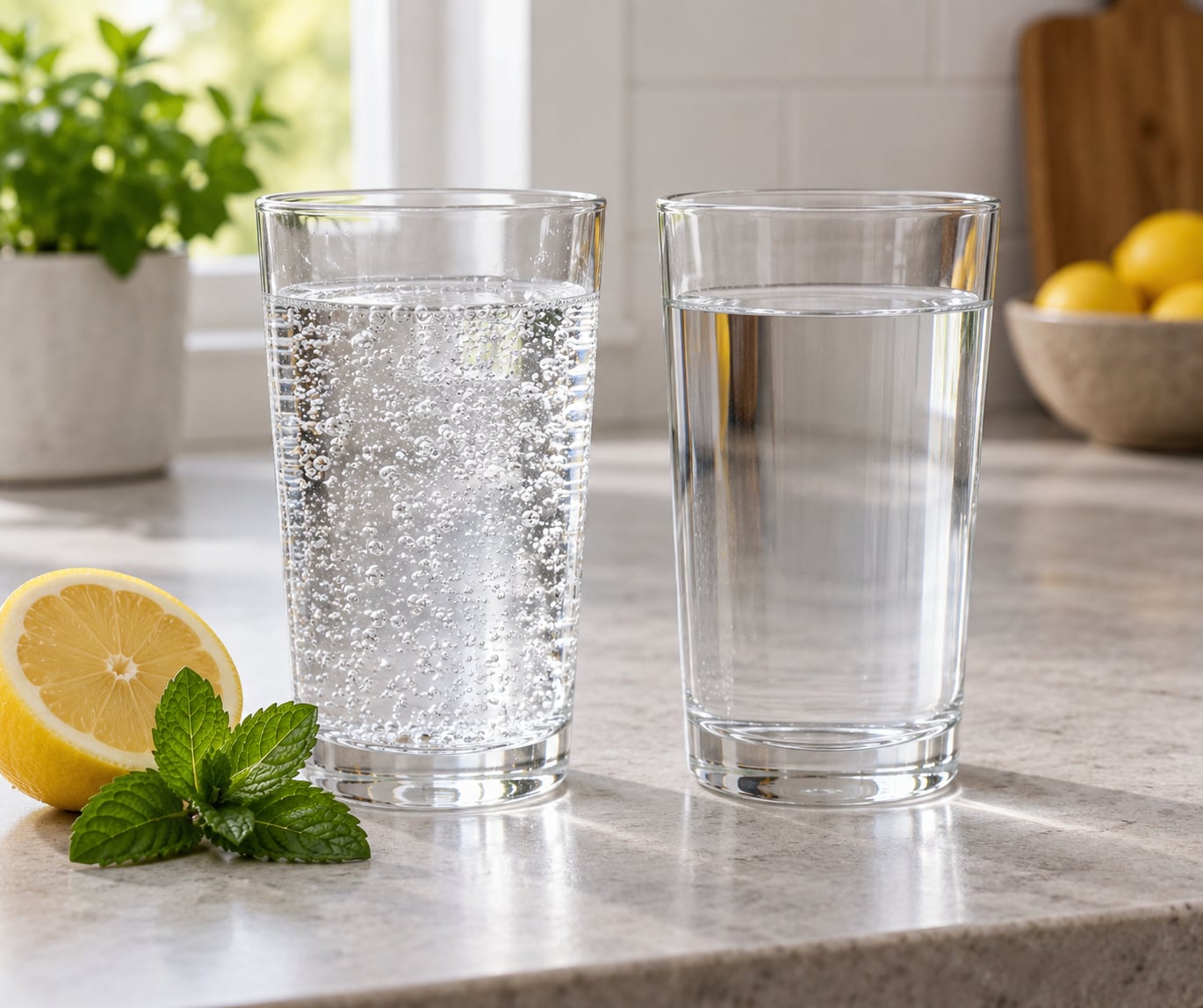
Short answer: plain sparkling water hydrates you almost exactly as well as still water, millilitre for millilitre. The carbon dioxide is not the deciding factor — how much you drink, what is dissolved in it besides water, and how your stomach handles the fizz are.
That is the honest core of the sparkling water vs still water for hydration question, and most of what circulates around it is noise. Sparkling water is still water with CO2 forced into solution under pressure. It is not cleaner, dirtier or chemically different in any way that matters to your kidneys.
So which should you drink? If plain carbonated water makes you drink more, drink that. If your stomach protests or your teeth are sensitive, still water wins. Read on for the details that actually separate the two.
Table of Contents
- Sparkling Water vs Still Water for Hydration at a Glance
- Which Water Hydrates You Better?
- Why carbonation does not change absorption
- Volume beats bubbles
- Does Carbonation Make You Retain Water?
- What About Calories, Sodium, and Added Ingredients?
- How to read the label
- How Does Each Water Affect Your Teeth?
- Enamel-safe habits
- Which Is Easier to Drink and Use?
- Why sparkling water shows up at mealtimes
- How other drinks compare on net hydration
- Are There Situations When One Is Better?
- Sparkling water vs still water for exercise and hot weather
- Condition-by-condition guidance
- Which Should You Choose?
- Frequently Asked Questions
- Is sparkling water as hydrating as still water?
- Does sparkling water hydrate better than still water?
- Can sparkling water make you bloated or retain water?
- Is sparkling water better for weight loss?
- Does carbonated water hurt your teeth?
- Can I drink sparkling water every day?
- Conclusion
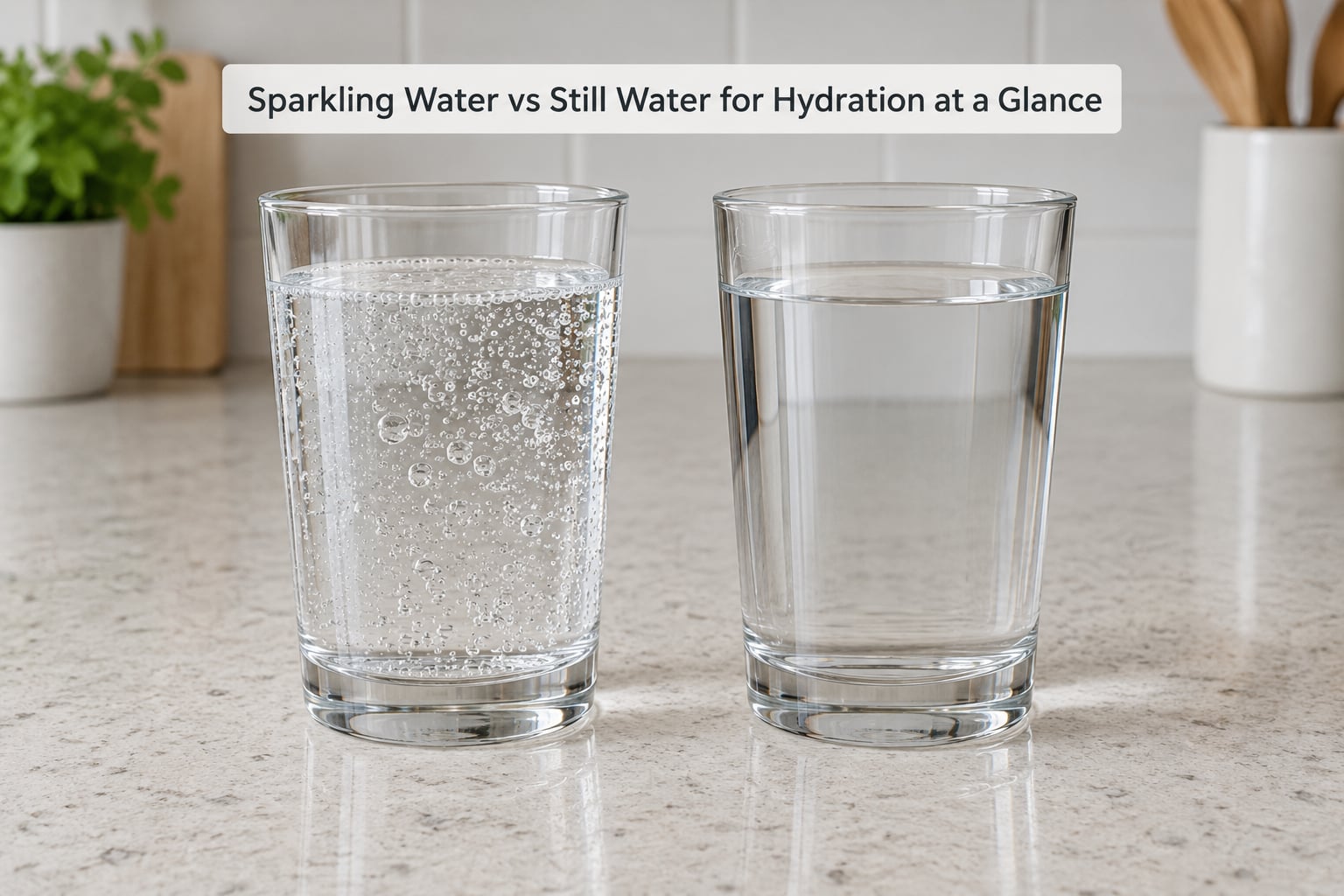
Sparkling Water vs Still Water for Hydration at a Glance
| Factor | Plain sparkling water | Still water |
|---|---|---|
| Hydration per serving | Same as still water | Baseline |
| Calories | Zero, if unflavoured | Zero |
| Sugar | Zero, if unflavoured | Zero |
| Sodium | 0 to about 100 mg per serving in many brands | Varies by source; often under 20 mg |
| Acidity | Mildly acidic, roughly pH 3 to 4 | Near neutral, roughly pH 7 |
| Fullness | More filling from the same volume | Less filling |
| Stomach effects | Gas and bloating in some people | Well tolerated by nearly everyone |
| Tooth enamel | Low risk, but not zero | No risk |
| Best for | Replacing soda, appetite control, meals | Everyday default, exercise, sensitive stomachs |
Two rows in that table carry most of the argument. The acidity row explains the dental conversation, and the fullness row explains why someone drinking only sparkling water sometimes ends up drinking less than they expected.
Which Water Hydrates You Better?
Neither one. When hydration researchers compare plain sparkling and still water, they generally find no meaningful difference in how fluid is absorbed or in how much ends up leaving as urine.
Why carbonation does not change absorption
Here is the chemistry in plain terms. Water is H2O, and carbonation is simply CO2 gas dissolved into it under pressure. In the water, a small share of that CO2 reacts to form carbonic acid, which is why sparkling water tastes faintly sharp and sits at a lower pH than still water.
Swallow it and the story is short. Most of the CO2 comes back out as gas before the water reaches the small intestine, often as a burp. Whatever tiny fraction is left has no effect on how the kidneys handle fluid.
The myth that carbonation contaminates the water or leaves something in your bloodstream does not survive a look at the physiology. A glass of seltzer does not deliver a meaningful dose of anything other than water and a few minerals.
Volume beats bubbles
Here is where the two genuinely diverge. Carbonation adds volume and mouthfeel without calories, and many people find that satisfying enough to drink more of it. Other people find the stretch in the stomach cuts off their appetite for the next glass.
That is the whole disagreement in one sentence. Hydration is a volume question, so if the bubbles push you past a glass and a half a day and the flat water stops you at one, sparkling has done more for you.
A simple self-check works better than any app: pale straw-coloured urine through the day, regular thirst, and no headache or dizziness usually means you are doing fine. Forum regulars on r/HydroHomies reach for the same heuristic.
Does Carbonation Make You Retain Water?
No, not in the way the question usually implies. Ordinary carbonation does not cause chronic fluid retention, and it does not dehydrate you.
What it can do is create a short-lived feeling of being puffy. Trapped gas expands the stomach and intestines, which produces the tight waistband feeling after a fizzy drink. It is a volume and pressure effect, not an electrolyte or salt effect, and it passes as the gas clears.
The weight-gain story gets repeated too, but the mechanism does not hold up. If someone replaces sugary soda with unsweetened sparkling water, they almost always cut sugar intake. The scale may move for a few days as gas and bowel contents shift, then it settles.
Persistent swelling of the face, hands or ankles is a different matter and deserves a doctor’s attention, not a sparkling water experiment.
What About Calories, Sodium, and Added Ingredients?
Here the two are no longer comparable, because “sparkling water” covers a wide range of products. Plain, unflavoured carbonated water is essentially zero-calorie water with bubbles. Flavored, sweetened and tonic waters are a different category.
How to read the label
- Sugars: look for 0 g per serving. If the drinks are sweetened, every sip counts toward your daily sugar intake and the hydration comparison stops being fair.
- Sodium: many brands add sodium bicarbonate, which lifts an otherwise zero drink to anywhere from nothing to roughly 100 mg per serving. That is not dangerous, but it is not zero.
- Sweeteners: stevia or sucralose keep calories low. Some people find they keep eating more after sweetened drinks, which undoes the point.
- Flavourings: citrus and berry flavoured waters are usually still low calorie, but check because some ranges include sweetened versions on the same shelf.
- Quinine or caffeine: tonic water carries quinine, and some sparkling waters add a little caffeine. Neither helps hydration, and caffeine works against deep sleep if the timing is late.
Soda is where the pattern is clearest. A can of cola carries sugar or a sweetener and acid that plain seltzer simply does not have, which is why swapping it out is such a common win.
How Does Each Water Affect Your Teeth?
Plain sparkling water is a mild risk to enamel; still water is not a risk at all. Neither comes close to soda, which combines acid with sugar and feeds the bacteria that produce more acid.
Dentists generally place plain carbonated water in the low-risk category because it is far less erosive than cola or citrus juice. But it is acidic enough to matter if your drinking pattern is bad. The damage is driven by how often acid hits the enamel and how long it sits, not by whether you like it.
Enamel-safe habits
- Sip with meals rather than sipping slowly through the afternoon.
- Finish the glass in one go instead of holding it in your mouth.
- Have a mouthful of still water afterwards to rinse the acid away.
- Use a wide glass, and skip a straw — drawing liquid through one concentrates acid right at the front teeth.
- Wait about 30 minutes before brushing after a fizzy drink, since the enamel is temporarily softer.
If you already have sensitivity, crowns or recent dental work, still water is the easy choice for daily use.
Which Is Easier to Drink and Use?
Sparkling water wins on variety and on killing soda cravings. The tingle makes water feel like a drink rather than a chore, and it fits naturally with meals, which is where much of a country’s fluid intake happens.
Still water wins on logistics. It fits any bottle, costs less per litre, keeps longer, and never goes flat in a bag. It is also easier to take with medication, since a large fizzy glass is an unpleasant way to swallow a tablet.
Taste is personal and there is no right answer here. Some people cannot stand plain still water and need carbonation or a squeeze of fruit to drink a useful amount of it.
Why sparkling water shows up at mealtimes
Across much of continental Europe, sparkling water is the default table water, and the reason is as much cultural as physiological. Carbonated water cleanses the palate between courses, cuts the greasiness of fried or rich food, and keeps a long meal from feeling heavy. That habit is why many people associate fizzy water with dinner rather than with the gym.
How other drinks compare on net hydration
Water is not the only player, so here is where sparkling and still sit against the usual alternatives.
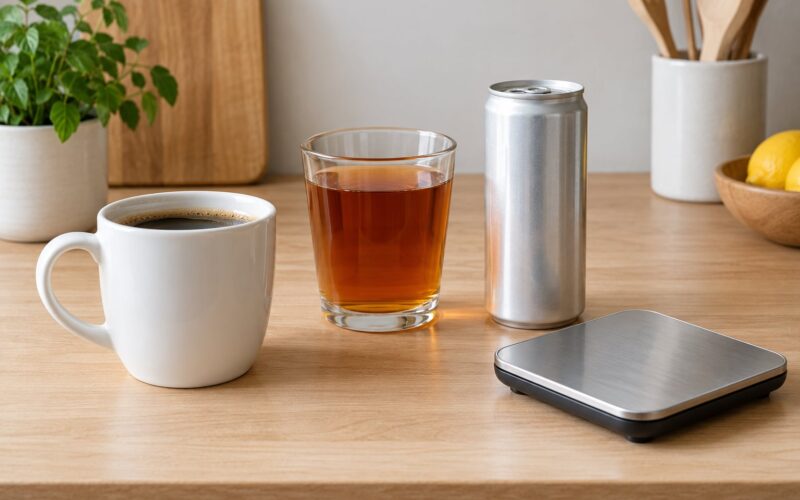
- Coffee: mildly diuretic, but caffeine-containing drinks still net positive for fluid balance in habitual drinkers. The water in the cup counts.
- Tea and herbal tea: hydrates normally. Herbal versions without caffeine are the better afternoon pick.
- Juice: hydrates, but the sugar load is high enough that it is better used as a small serving with food.
- Sports drinks: designed for long or intense sessions where you lose sodium and sugar as sweat; unnecessary for an ordinary day.
- Soda and energy drinks: hydrate in the literal sense, but caffeine plus sugar or sweeteners work against the volume you actually want.
- Alcohol: a net fluid loss, since the body burns some water processing it.
- Milk: counts toward fluid intake even though people often exclude it.
Are There Situations When One Is Better?
Sparkling water vs still water for exercise and hot weather
Still water is the better choice for quick rehydration after a hard session. The filling effect can blunt how much you take in during the recovery window, and in heavy sweating you want the volume, not the sensation of fullness.
During the activity itself, carbonation is worth skipping. A fizzy drink in a hot stomach is genuinely uncomfortable at high intensity, and for a small number of people it triggers cramping or nausea.
Condition-by-condition guidance
- IBS or a sensitive gut: start with still water, or sparkling water allowed to go flat before you drink it. Gas is the most common complaint in this group.
- Acid reflux or GERD: carbonation can worsen the feeling of being full and push reflux symptoms on, so still water is the safer default around meals and at night.
- Sensitive teeth or recent dental work: still water, or sparkling water consumed with food.
- Weight loss and fasting: sparkling water is popular here because it takes the edge off hunger without calories. Watch total volume, which is the trap.
- Pregnancy: both are fine as part of a normal fluid intake, and carbonation does not affect that. Anything with added sugar is a different question.
- Children: there is no hydration reason to prefer either, and carbonation can worsen reflux symptoms in some kids. Let water be the default drink.
- Fluid restrictions: if a clinician has told you to limit fluid or sodium for heart, kidney or liver reasons, follow that guidance over anything here and ask them about carbonated drinks specifically.
Which Should You Choose?
Choose sparkling water when it helps you drink more, when you are replacing soda, or when a glass of still water bores you. Choose still water when your stomach is sensitive, when you need to rehydrate quickly after exercise, or when your teeth are the priority.
The practical rule is simple: pick the unsweetened water you enjoy enough to drink all day. Neither format is healthier in itself, and for a healthy adult, either one is a fine way to hit a daily fluid target.
If you have a diagnosed digestive condition, persistent reflux, or a fluid or sodium restriction, take the specifics to your doctor or a registered dietitian rather than relying on a general comparison.
Frequently Asked Questions
Is sparkling water as hydrating as still water?
Yes. Plain sparkling water hydrates you about as well as still water, millilitre for millilitre. The dissolved carbon dioxide mostly escapes as gas before the fluid is absorbed, so it does not change absorption rates or urine output. Where sparkling water falls short is volume: if the fullness makes you drink less overall, you end up behind.
Does sparkling water hydrate better than still water?
No, not in any physiological sense. There is no good evidence that carbonation makes water more hydrating, so sparkling water does not have an edge in the sparkling water vs still water for hydration contest. It can win indirectly, because the fizz makes water more interesting and some people drink noticeably more of it.
Can sparkling water make you bloated or retain water?
It can make you feel bloated. Trapped carbon dioxide gas expands in the stomach and intestines, creating a short-lived full, tight feeling that clears as you burp or pass gas. That is not fluid retention or weight gain. If you have IBS or reflux, carbonation is the most common trigger people report.
Is sparkling water better for weight loss?
It can help indirectly. Zero-calorie sparkling water takes the edge off hunger and is a common swap for sugary soda, which cuts a lot of sugar intake. There is no fat-burning mechanism behind it, and because carbonation is filling, some people end up drinking less water than they expected. Track your total volume, not just the glasses of fizz.
Does carbonated water hurt your teeth?
Plain sparkling water is mildly acidic, usually around pH 3 to 4, so it is a low risk compared with soda or juice but not a zero risk. Erosion depends on frequency and duration, so drinking it with meals, finishing the glass rather than sipping, and rinsing with still water afterwards all reduce the exposure. Sensitive teeth or dental work are good reasons to stick with still water.
Can I drink sparkling water every day?
Yes, for most healthy adults, as long as it is unsweetened. Check the label for added sodium, since many brands include sodium bicarbonate, and avoid sipping it all day if your teeth are sensitive. Stop or switch to still water if it consistently causes gas, bloating or reflux symptoms.
Conclusion
Sparkling water vs still water for hydration is not a contest with a nutritional winner. Per millilitre they hydrate you the same, and the bubbles do not change that.
Start by choosing an unsweetened water you actually enjoy, then drink it consistently through the day. Track the total volume rather than the format, and let comfort and your teeth have the final say.